









Cotton
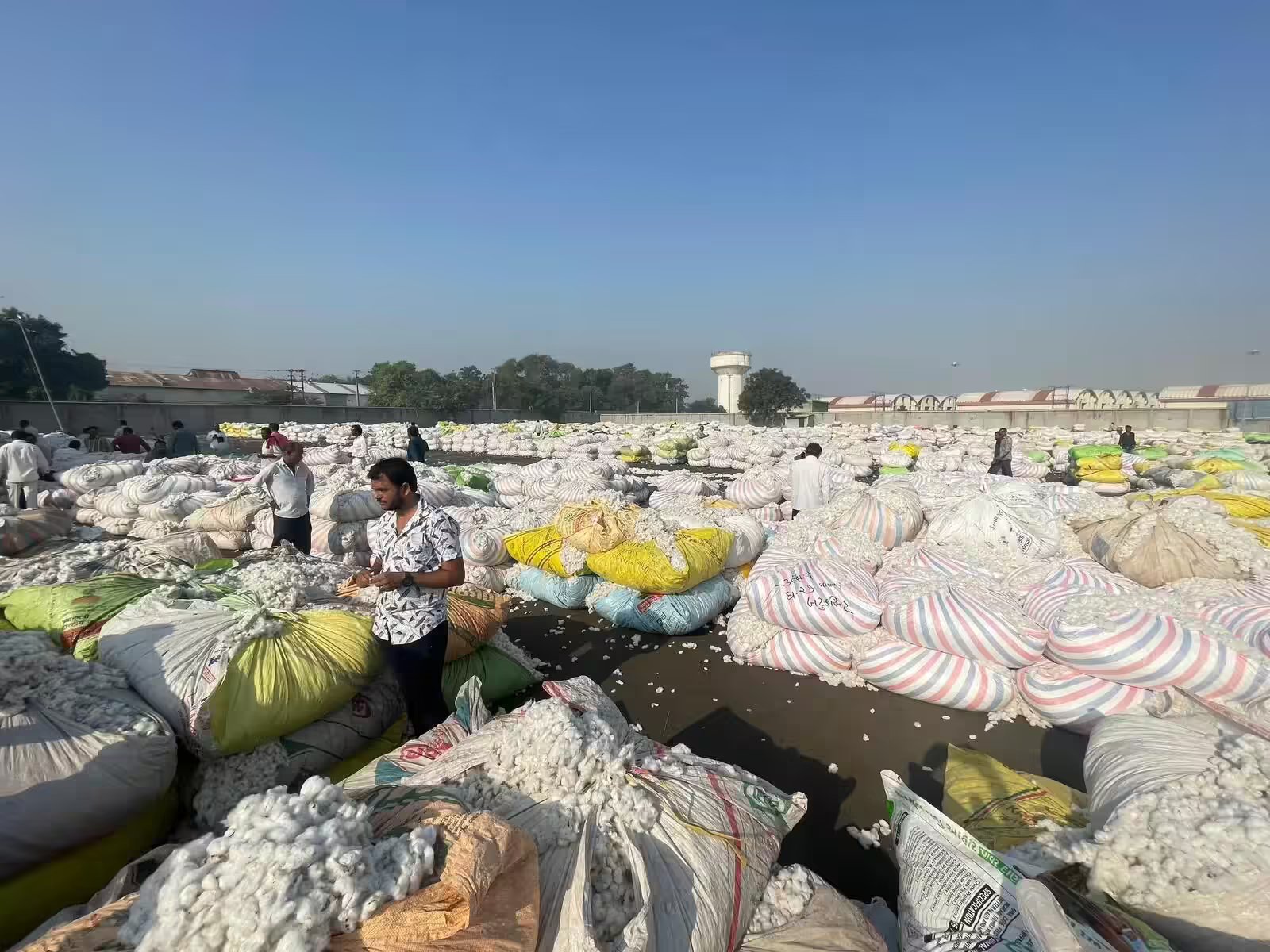
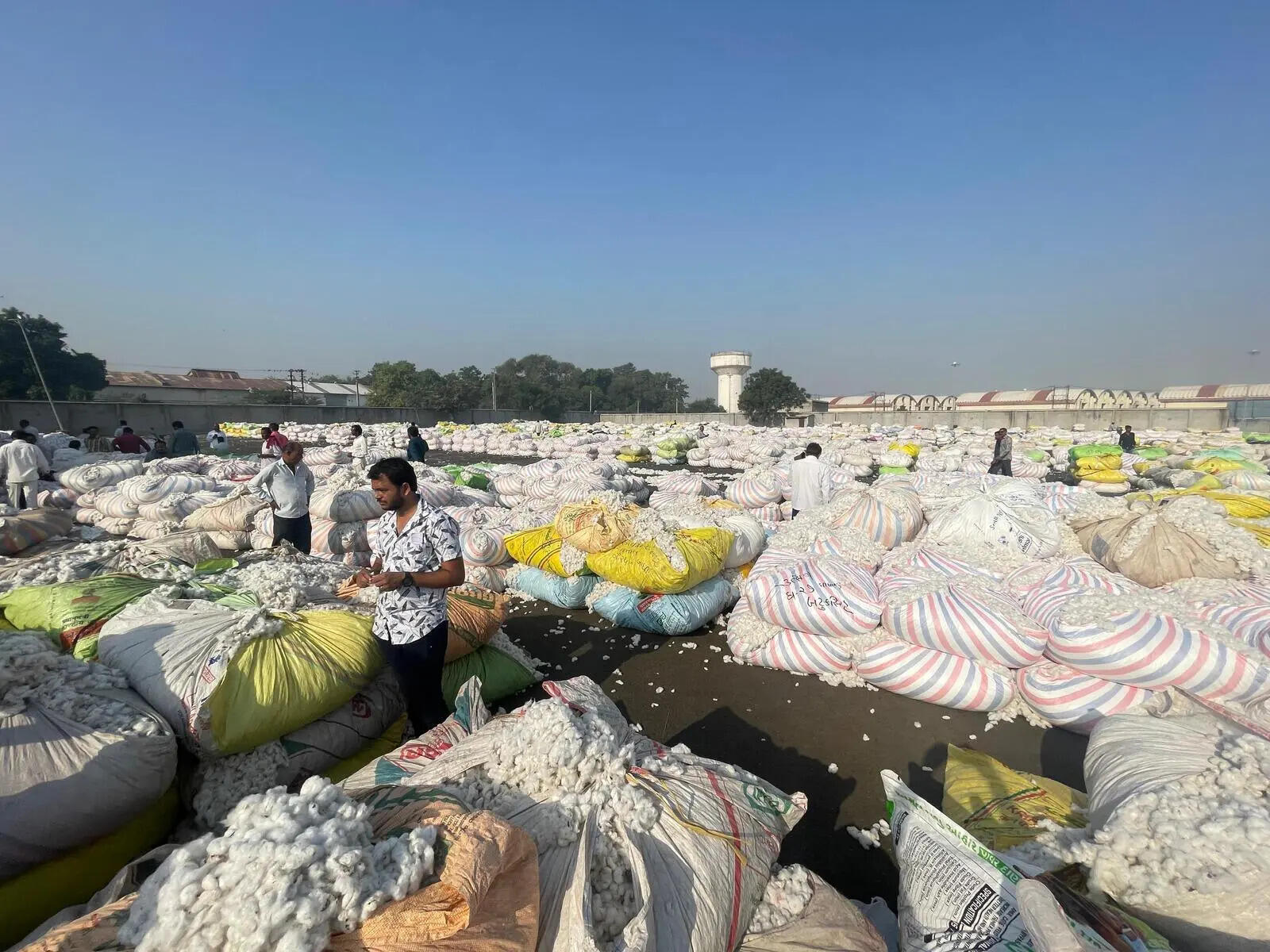
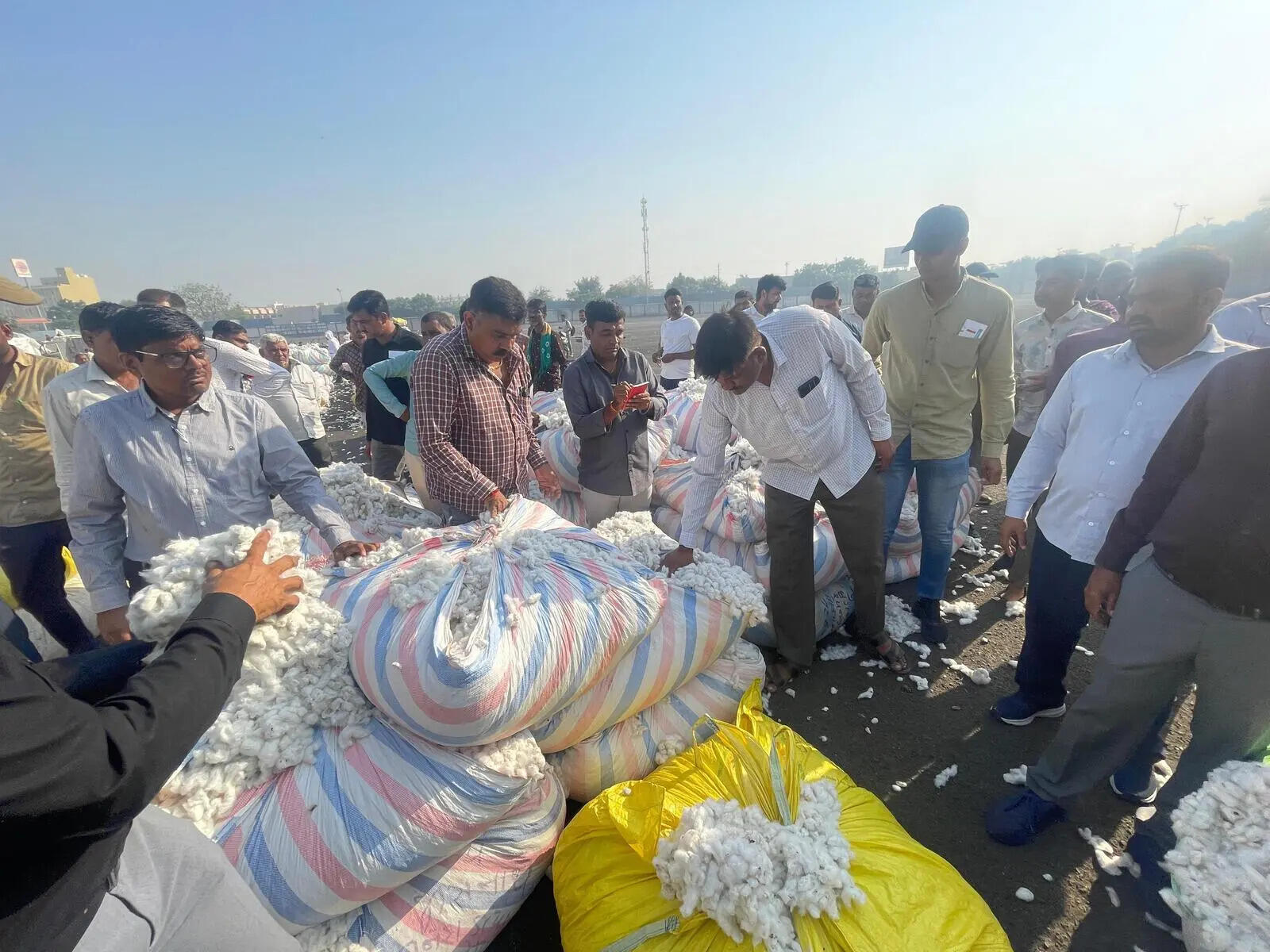
“Better-quality fibre can enhance product quality and enable companies to command improved realisations, especially in segments catering to global brands and premium consumers. The measure is also expected to support export growth by improving the competitiveness of Indian textile products in international markets,” he added.Industry stakeholders believe access to duty-free cotton imports will help stabilise raw material supplies and prevent the seasonal spike in cotton prices typically witnessed towards the end of the cotton season.“The impact is already visible. Raw cotton prices have corrected by nearly Rs 4,000 per candy after the duty waiver announcement. The moderation in cotton and yarn prices is expected to lower input costs for mills and improve operating margins, particularly for export-oriented manufacturers competing with suppliers from Bangladesh, Vietnam and China,” said Rahul Shah, co-chair, textile committee, Gujarat Chamber of Commerce and Industry (GCCI).
Cotton
Cotton
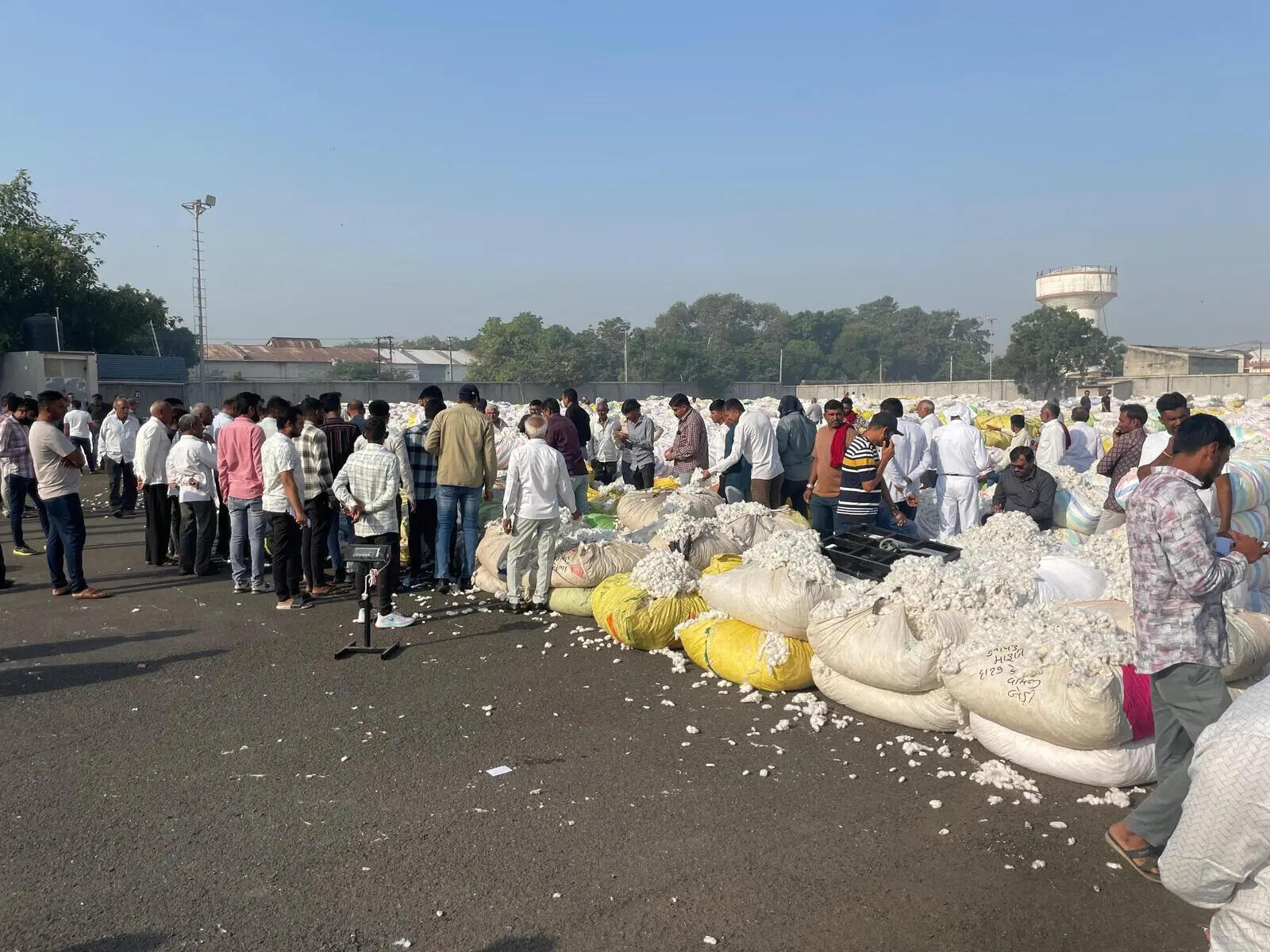
The duty waiver comes at a time when the sector is grappling with higher costs of cotton, yarn, fuel, dyes and intermediates, even as demand remains uneven in key export destinations.The spinning sector is upbeat with the removal of import duty on cotton. Jayesh Patel, senior vice president, Spinners’ Association Gujarat (SAG), said, “Spinning mills have received good export orders from China and Bangladesh. However, Indian cotton prices were higher compared with the international market, and with the removal of import duty, cotton prices have come down. Cotton yarn prices reached a high of Rs 315 per kg but came down to Rs 290 before the duty cut. We believe with the duty cut, the Indian textile industry will become more competitive globally.”