









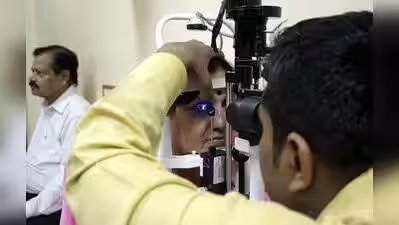
Pune: Hospitals across the city are reporting a significant surge in eye infections—primarily viral conjunctivitis—this monsoon.Clinics across the region are recording dozens of new cases weekly, with children, the elderly, and the immunocompromised proving particularly vulnerable.Early symptoms of “pink eye” include redness, watery eyes, a gritty sensation, sticky discharge, and increased sensitivity to light.“In the past week alone, our ophthalmology department has seen 15–20 patients presenting with conjunctivitis and related complaints,” said Dr Yogesh Chougule, consultant ophthalmologist at NIO Super Speciality Hospital. “The spike is largely due to high humidity and increased exposure to contaminated surfaces. Early treatment is essential to prevent further transmission.”Dr Chougule said while conjunctivitis can be bacterial or allergic, the viral variety is most prevalent during the rains. It spreads rapidly through direct contact with infected eye secretions or shared objects.The trend is mirrored across the Pimpri-Chinchwad area. Dr Vaibhav Kanse, ophthalmologist at Apollo Clinic, Nigdi, noted a 10% increase in cases over the last fortnight. “As a precaution, we strongly recommend frequent handwashing with soap and strictly avoiding touching or rubbing the eyes. Sharing towels or clothing should also be avoided to contain the spread,” Dr Kanse added.Paediatricians are particularly concerned about the impact on children. Dr Tushar Parikh, senior consultant neonatologist and paediatrician at Motherhood Hospital, reported seeing 5–6 new paediatric cases every day.“The change in weather has triggered a spike. We are seeing allergic conjunctivitis paired with respiratory issues, while viral cases are often accompanied by fever or stomach flu,” Dr Parikh said.He warned against traditional home remedies: “One of the biggest concerns is parents using unsafe treatments like putting milk drops in the eye or using expired eye drops. If a child contracts the infection, they must be kept home from school until it clears fully to prevent an outbreak.”Dr Jayant Khandare, consultant, paediatrics and neonatology, Surya Mother And Child Super Speciality Hospital, said, “We recently treated five patients who developed complications following eye infections. This cluster may be linked to humid monsoon conditions; the spread of viral and bacterial conjunctivitis through close contact, contaminated hands, and shared personal items; and exposure to dust, mould, pollen, and air pollution. Poor contact lens hygiene can also increase the risk of corneal infection. A red, watery, or sticky eye may result from viral, bacterial, or allergic conjunctivitis.” Because symptoms often overlap, treatment should be guided by a medical examination rather than guesswork, he said.“Frequent handwashing, avoiding eye-rubbing, using separate towels and pillowcases, cleaning spectacles, and not sharing makeup or eye drops can reduce transmission. Steroid or antibiotic drops should not be used without medical advice because they may prolong or worsen some infections. Eye pain, photophobia, or reduced vision is not typical of uncomplicated conjunctivitis and requires urgent ophthalmic evaluation,” he added.