










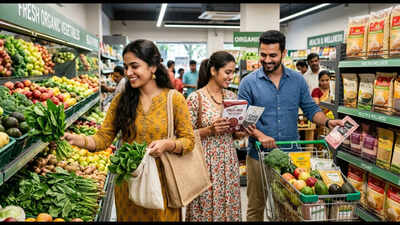
Walk down a supermarket aisle and the shift is hard to miss. Organic produce, gluten-free products, plant-based alternatives and low-sugar snacks are competing for space on the shelves. Behind this growing range is a consumer paying closer attention to what goes into the shopping basket.Social media has helped fuel this change, with reels, food influencers and fitness content encouraging people to rethink their eating habits. Taste and convenience still matter, but shoppers are increasingly looking at sugar, fibre, protein and ingredient lists before making a purchase. So, what does healthy eating really mean? “For me, it’s all about fresh, nutritious, and natural choices,” says Rhea, an influencer whose grocery-buying habits have evolved over the years. “I used to buy purely for taste and convenience. Now, I’m far more mindful of nutrition, ingredient quality, and overall health benefits. Think fresh produce, cooking staples, and smarter snacks with simple ingredients,” she adds.This shift is reflected in consumer research. A 2025 NielsenIQ study found that 53% of Indian shoppers actively try to stay healthy through diet and exercise. Yet, about half find healthier food options expensive or difficult to access. As a result, shoppers are paying greater attention to product labels, weighing nutritional benefits against price.For shoppers, the label comes firstFor many consumers, making a healthier choice begins with a simple habit: turning the packet around. Rhea checks the fine print before buying. “I check ingredients, sugar, calories, protein and additives before making a purchase. I also look at the expiry date and serving size. If I’m choosing between two similar products, I prefer the one with a cleaner and simpler ingredient list. I think people are now more interested in high-protein foods and reading nutrition labels before buying products,” she says. For brands, this means flashy front-of-pack claims may no longer be enough. Shoppers increasingly want to examine the ingredients and nutritional information before deciding whether a product deserves a place in their pantry.Health-conscious shoppers may pay a premium, but the benefits must justify the price. Better ingredients, lower sugar content or higher protein levels can make a product more appealing, but attractive packaging and a higher price tag do not automatically translate into better nutrition. “I still compare products and don’t believe that expensive automatically means healthier,” Rhea notes.Smitha Sunil Gowda, a nutritionist and mom influencer, shares a similar approach. “I will pay more if the product has good ingredients and better nutritional value. But I always check the label before paying extra,” she says.Balancing taste, nutrition and affordabilitySmitha believes choosing the right food comes down to balancing taste, nutrition and affordability. “I try to balance all three, but health comes first. The food should be both tasty and affordable,” she says.Social media has become an important discovery platform for new ingredients, recipes and food products, particularly among younger consumers. Influencers and fitness creators can introduce shoppers to alternatives they might not otherwise consider. However, the distinction is important: while social media may influence what shoppers discover, labels and nutritional information help determine what ultimately makes it into their carts. Rhea says she discovers products through creators and fitness content, and adds, “I don’t follow trends blindly. I always double-check the label and nutritional info to decide if a product actually works for my lifestyle.”