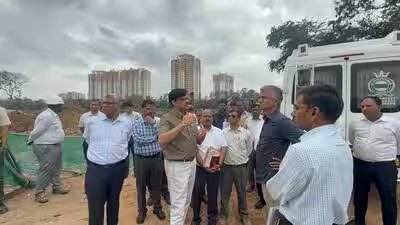









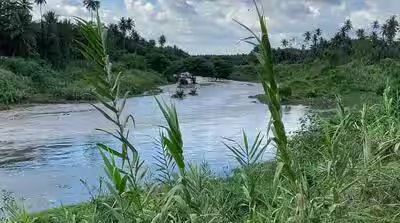
Bengaluru: Karnataka govt has embarked on a scientific mission to tackle contamination across Arkavathi river basin, which spans four districts in Bengaluru’s backyard. The move comes amid concerns over degradation of the river, which merges into Cauvery near Kanakapura, the home turf of chief minister DK Shivakumar.Cauvery Neeravari Nigam (CNNL), under water resources department, is facilitating an integrated pollution assessment and abatement initiative. The latest measure follows repeated reprimands from Karnataka high court and National Green Tribunal over rampant river pollution.The exercise will bring together 13 premier engineering institutions, govt agencies, technical experts, NGOs, schools, colleges, volunteers and local communities to identify pollution sources and develop a remediation plan.CNNL has collaborated with city-based NakshaTech for technical assessment of field-level data. All 13 engineering colleges have been assigned individual catchments to investigate pollution sources, examine the characteristics of industrial effluents, assess water quality and recommend technically feasible remedial measures.K Jayaprakash, retired secretary and technical adviser to CM DK Shivakumar, is overseeing the initiative along with a 16-member team of experts. He told TOI the objective is to move beyond piecemeal interventions and establish a scientific understanding of pollution across Arkavathi basin, which spans more than 4,000 sqkm and includes tributaries Kumudavathi, Vrishabhavathi and Suvarnamukhi rivers.The six-month assessment will combine geospatial mapping, scientific water sampling at around 150 locations to determine the nature and extent of contamination. An AI-based dashboard is envisaged to support data analysis, monitoring and decision-making.“Based on the findings, the field-level and technical assessment will recommend appropriate effluent treatment plants and common effluent treatment plants,” Jayaprakash said.The first technical workshop was held in Bengaluru last week, focusing on standardising assessment methodologies, improving coordination among institutions and consolidating findings from all 13 catchments into a comprehensive industrial pollution abatement plan.“The exercise also involves farmers, citizens living along the river and local communities, who will contribute their knowledge of the river’s condition and pollution levels and participate in developing sustainable pollution-control measures,” said Vikrant Patil of NakshaTech.Arkavathi River: Key factsOrigin: Nandi HillsLength: 178.3 kmWater availability: 11 TMCMajor tributaries: Vrishabhavathi, Kumudavathi and SuvarnamukhiConfluence: Joins Cauvery at Sangama near KanakapuraElevation: 361–1,440 metres above sea levelCatchment area: 4,156 sq kmGeographical spread: Chikkaballapur, Bengaluru Urban, Bengaluru Rural and Bengaluru South districts, besides parts of Krishnagiri district in Tamil Nadu.