









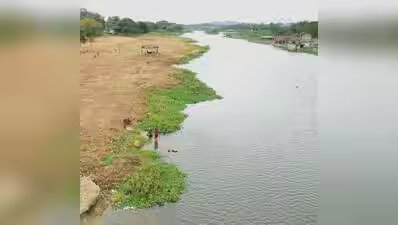
Chennai: The expert appraisal committee of Union ministry of environment, forest and climate change has expressed concern over Tamil Nadu’s proposal to build a 43m-high reservoir across the Koraiyar river at Vickramasingapuram village in Ambasamudram taluk, Tirunelveli district, because it falls within the Kalakad-Mundanthurai Tiger Reserve.The proposed project, estimated to cost ₹1,875 crore, would require 819 hectares of land, including 187 hectares of forest land. It is expected to irrigate a command area of 9,091 hectares. In its recent deliberations, the committee noted with concern that KMTR is a protected area of high ecological significance and a critical habitat for several endemic and threatened species, including tigers, Nilgiri langurs and other flora and fauna of conservation importance.The committee wanted the state govt to examine alternatives. It suggested considering “other undammed tributaries of the Chittar river basin, outside the boundary of the tiger reserve, and provide a comparative analysis vis-a-vis the current proposal in terms of ecological impacts, project cost, technical viability and overall benefits”.Koraiyar is a tributary of the Thamirabarani river. According to the proposal, its flood flows during the monsoon remain largely unutilised after feeding only one irrigation tank, Singaperumalkulam. Drought-prone areas such as Alangulam, Manur and Tirunelveli taluks, along with surrounding command areas, face water shortages due to inadequate rainfall and limited dependable irrigation sources.The previous DMK govt approached the ministry seeking permission to conduct an environment impact assessment for the reservoir project. During its June meeting, the committee observed that the water resources department had not adequately examined alternative options to meet the irrigation requirements of the proposed command area. The panel said relocating the dam site to other tributaries of the Chittar river basin could help achieve the project objective while potentially placing it outside the tiger reserve. Such an option, it noted, could substantially reduce the project’s ecological footprint, minimise impacts on wildlife habitats and protected ecosystems, and possibly lower investment requirements.The committee has asked for a detailed justification for locating the project within the tiger reserve, including an assessment of its anticipated impact on wildlife habitats, particularly tiger populations and other endemic species of conservation importance.