








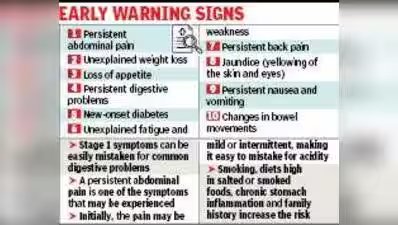
Kolkata: Stomach cancer has one of the worst survival rates among various forms of the terminal disease since it is detected late when it has already progressed significantly, reducing lifespan, oncologists warned on the eve of World Stomach Cancer Day on Monday. Stomach cancer was the fifth most commonly diagnosed cancer in India in 2024.A sudden weight loss, loss of appetite or recurring stomach pain could be symptoms of gastrointestinal cancer, said oncologists. Stomach (gastric) cancer frequently mimics routine, benign gastrointestinal complaints in its early stages, and late-stage diagnosis is a primary driver of poor survival outcomes, said Udipta Ray, director (GI and robotic surgery), Fortis Hospital Anandapur. “Stage I pancreatic cancer often causes no noticeable symptoms. When symptoms do occur, they can be vague and easily mistaken for common digestive problems. A persistent abdominal pain is one of the symptoms that may be experienced, particularly around the area above the navel. Initially, the pain may be mild or intermittent, making it easy to mistake for acidity, gastritis or other common digestive problems. As the tumour grows, it may press on surrounding nerves and tissues, causing pain that can radiate towards the back. The discomfort may become more noticeable after eating or when lying flat,” added Ray.Helicobacter pylori infection is a major risk factor, said Arnab Gupta, medical director of Saroj Gupta Cancer & Research Institute. “It is less common in India than other Asian countries. Incidence is higher in Northeast India, though. Alcohol, charred and spicy food were likely triggers,” said Gupta.Smoking, diets high in salted or smoked foods, chronic stomach inflammation and a family history also increase the risk, said Jyotirup Goswami, Consultant Radiation Oncologist, BP Poddar. “Survival depends considerably on the stage at diagnosis, the patient’s overall health and response to treatment. When detected at a very early stage, it can often be treated with curative intent, and five-year survival can exceed 90% in selected patients. In metastatic cases where the cancer has already spread, median survival with some systemic treatments may be around a year,” added Goswami.Some may experience a noticeable reduction in appetite or feel full after eating only a small amount of food, said oncologists. This can happen because the tumour and the associated inflammatory changes affect normal digestive functioning.Despite advances in surgery, medical therapies and radiotherapy, widely metastatic disease remains difficult to cure. This makes early detection crucial. Persistent indigestion, abdominal discomfort, loss of appetite or unexplained weight loss should not be overlooked. Timely medical evaluation, including endoscopy when advised, can help detect the disease earlier.