









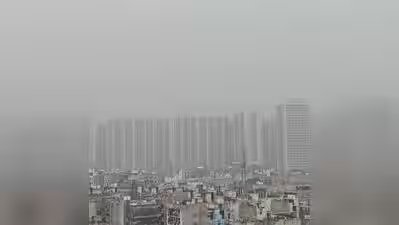
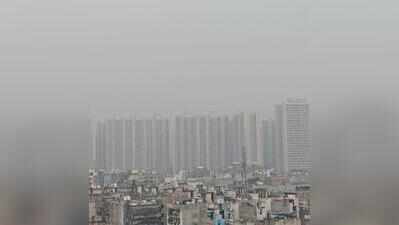
Noida: A sudden rise in smog and a sharp deterioration in air quality, coupled with a drop in temperature, have triggered an increase in respiratory and seasonal health complaints across the NCR.Doctors said more patients were reporting persistent headaches, cough, throat irritation, nasal congestion, allergies, wheezing and breathlessness, with even those without a history of respiratory ailments experiencing symptoms.The worsening air quality has been particularly sharp in Noida, where the AQI surged from 58 to over 320 within days. Pulmonologists said their outpatient departments were witnessing a rise in cases of allergic airway diseases, asthma exacerbations and persistent respiratory discomfort.The combination of high pollution levels and falling temperatures has also made residents more susceptible to respiratory infections.“At our pulmonology OPD, patient load has increased to around 25-30 patients each day. Patients are presenting with cough, throat irritation, nasal congestion, sneezing, wheezing and breathlessness. We are also seeing fresh cases among people who have never had these conditions before,” said Dr Rahul Sharma, director, pulmonology, Fortis Noida.He added that people who had relocated to Noida from other parts of the country, including southern India, were also reporting respiratory symptoms and recurrent allergies.Doctors have also flagged cases of pneumonia among young people with no known comorbidities, with some progressing to acute respiratory distress syndrome (ARDS). While pollution may not be the sole cause, exposure to particulate matter can trigger airway inflammation, weaken the lungs’ defence mechanisms and increase vulnerability to infections, Sharma said.Dr Gyanendra Agrawal, senior director, interventional pulmonology and pulmonary intensive care, Max Super Speciality Hospital, Sector 128, said the rise in AQI from 58 to 311 within two days reflected the extent of deterioration.“Fine particulate matter (PM2.5 and PM10) can penetrate deep into the lungs, triggering inflammation, coughing, throat irritation and breathing difficulties. While children, senior citizens and people with asthma or COPD are particularly vulnerable, even healthy individuals can experience respiratory discomfort after prolonged exposure,” he said.The impact is also being felt by families, with residents reporting persistent symptoms since the smog set in.“I have had a blocked nose and severe headache ever since the AQI worsened and the thick smog set in. The irritation has been constant, and it has become difficult to step outdoors. I have already ordered two air purifiers for my home, as I don’t want my family to continue breathing this air,” said a Noida resident.Rina Sharma, a Sector 70 resident, said her eight-year-old child had been experiencing a runny nose and headaches since Sunday. “It’s not even Diwali, and the city is already in a spell of pollution. There should be an immediate response to curb the pollution and control it,” she said.Doctors have advised residents to track daily AQI levels, avoid outdoor exercise during severe pollution episodes and wear well-fitted N95 masks when stepping outside. They have also recommended using HEPA air purifiers, keeping windows shut during periods of heavy pollution and avoiding indoor pollutants such as incense sticks and dhoop.People with asthma and COPD should continue their prescribed medication and inhalers. Doctors have also recommended influenza and pneumococcal vaccination for eligible individuals and cautioned against self-medication. Persistent cough, fever, wheezing or breathlessness should not be ignored and warrant medical consultation.