









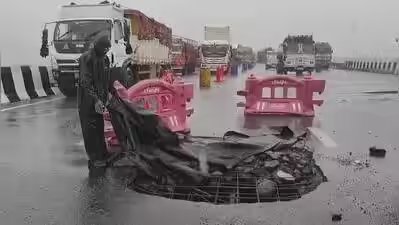
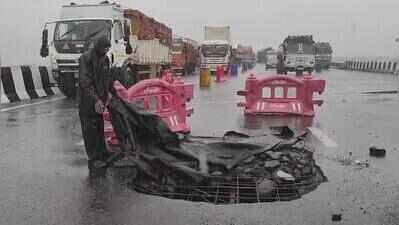
Ahmedabad/ Surat: Climate-related disruptions are emerging as a growing business challenge for Gujarat’s manufacturing sector. A recent WRI India study found that 73% of textile MSMEs surveyed in Surat reported flood-related operational disruptions. Based on a survey of 160 textile MSMEs across nine industrial clusters, the study found that nearly three-fourths had experienced disruptions linked to flooding.Industrial clusters around Ahmedabad also reported similar concerns. Sanand GIDC, about 22km from Ahmedabad, has stepped up monsoon preparedness after last year’s waterlogging disrupted production.According to the study, the highest impact in Surat was reported from Ved Road and Katargam, while 70% of firms in Kadodara, 64% in Palsana and 63% in Udhna also reported disruptions. The study attributes these impacts to repeated flooding, waterlogging and disruptions to production and logistics.Recurring problemsMukesh Dave, president of the Akhil Gujarat Truck Transporters’ Association, said transporters face two recurring problems during heavy rain. “Waterlogged highways and damaged roads around Surat trigger severe traffic snarls, delaying shipments and disrupting manufacturing and dispatches. Several industrial areas within city limits also become inaccessible, leaving critical consignments stranded. Restrictions on the entry of transport vehicles into city limits further add to the delays,” he said.Industry leaders in south Gujarat, however, said manufacturing disruptions largely remained localised rather than affecting industry at scale.“Industry in south Gujarat did not suffer major issues due to flooding and heat at large. There may be some isolated cases,” said Ashok Jirawala, president of the Southern Gujarat Chamber of Commerce and Industry.Industry sources said workers being unable to reach factories, logistics bottlenecks, and delays in the availability of raw materials for two to three days during heavy rainfall are among the most common seasonal challenges.Troubling heat, flood zonesThe report’s climate-risk mapping identifies Pandesara GIDC, Udhna GIDC, Katargam, Ved Road and the Surat Textile Market as overlapping heat and flood zones. WRI said these clusters form the backbone of Surat’s textile economy and their concentration in high-risk locations raises the possibility of cascading disruptions across manufacturing, logistics and supply chains during extreme weather events.It said industrial flooding in Surat is no longer driven solely by the Tapi but also by heavy rainfall, releases from Ukai Dam, creek (khadi) flooding, tidal backflow, and drainage constraints. The study found that 40% of Surat’s industrial clusters are primarily heat-exposed, 27% flood-exposed, and 33% face both hazards.It also found that 93% of surveyed MSMEs reported rising summer temperatures, while 82% noticed changing rainfall patterns.Loss of manpowerThe findings resonate beyond Surat. In Ahmedabad, Sanand GIDC is preparing for the monsoon after flooding last year disrupted operations for two to three days across nearly 100 companies.“This year, a drainage system has been put in place, and businesses expect smoother movement of stormwater, reducing the risk of shutdowns and supply delays. Companies have begun reviewing internal drainage, housekeeping and emergency plans to avoid repeat disruptions,” said Ajit Shah, president of Sanand Industries Association.Industry representatives said infrastructure gaps outside industrial estates remain a concern. “Many GIDC estates have established stormwater networks within GIDC estates, but the local authority does not provide further connection,” said Ajay Patel, chairperson of the GIDC committee, Gujarat Chamber of Commerce and Industry. Patel added that industries are also beginning to experience the impact of rising temperatures on workers. “We have also observed manpower loss due to high temperature,” he said.