











Gurgaon: If you are stepping out in Gurgaon late evening or heading out early in the morning, chances are you are breathing the city’s most polluted air.An analysis of hourly air quality data from EnviroCatalysts’ Hourly Analysis Dashboard for Jan 1 to June 22 shows that the dirtiest hours in the city consistently fall between late evening and early morning, with pollution peaking around midnight and remaining elevated until after sunrise.TOI compared the hourly average pollution levels for the first two quarters of 2025 and 2026 and found PM2.5 — among the most harmful air pollutants because of its ability to enter the bloodstream through the lungs — recorded its highest concentrations between 10 pm and 1 am in both years. But its night-time peaks rose sharply in 2026.Average PM2.5 concentrations at midnight rose from 88.9 micrograms per cubic metre (µg/m³) in 2025 to 138 µg/m³ during the same period this year.The deterioration was visible across the entire night-time window. While PM2.5 level at 11 pm was 85.5 µg/m³ in 2025, it climbed to 134.5 µg/m³ in 2026. The 1 am concentrations rose from 85.4 µg/m³ to 133 µg/m³. Even after sunrise, pollution remained elevated, with PM2.5 levels recorded above 105 µg/m³ until 7 am this year.
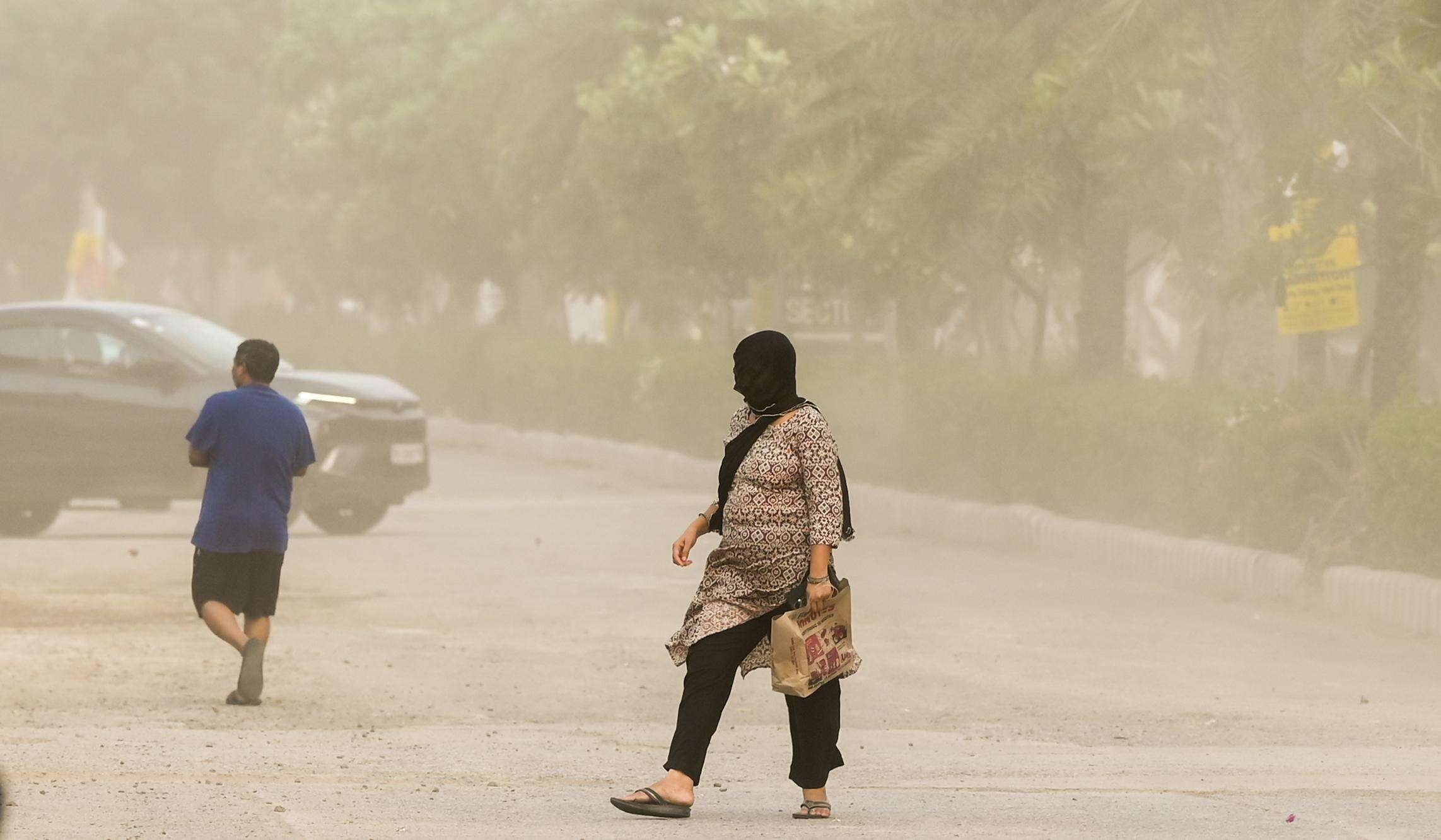
As daytime temperatures rise, stronger atmospheric mixing disperses pollutants, producing the relative afternoon reprieve the data shows
The city’s cleaner-air window remained confined to afternoons, and even that has shrunk this year. Between 3 pm and 5 pm, PM2.5 concentrations recorded their lowest levels of the day. The cleanest hour in 2025 was 5 pm, when the PM2.5 level was 64 µg/m³. This year, even the cleanest hour (4 pm) registered 81.5 µg/m³.The same trend cut across pollutants. PM10 concentrations were also found to peak around midnight, rising from an average of 189.6 µg/m³ in 2025 to 240.9 µg/m³ in 2026.Nitrogen dioxide (NO₂), associated with vehicular and combustion emissions, peaked at 2 am, climbing from 24.2 µg/m³ in 2025 to 33 µg/m³ this year. Carbon monoxide (CO), linked to the combustion of fossil fuels in vehicles, industrial machinery, and residential heating appliances, was highest in the pre-dawn hours, peaking at 5 am at 1.51 mg/m³ this year.Ozone (O₃) and sulphur dioxide were the only major pollutants that bucked the pattern. Unlike particulate matter, ozone levels were lowest at night and peaked in the afternoon, when sunlight drives photochemical reactions. The highest ozone concentration in 2026 was recorded around 3 pm at 43.5 µg/m³. The highest sulphur dioxide level was recorded at 10 am (6.9 µg/m³), while it reached a trough at noon (5.3 µg/m³).
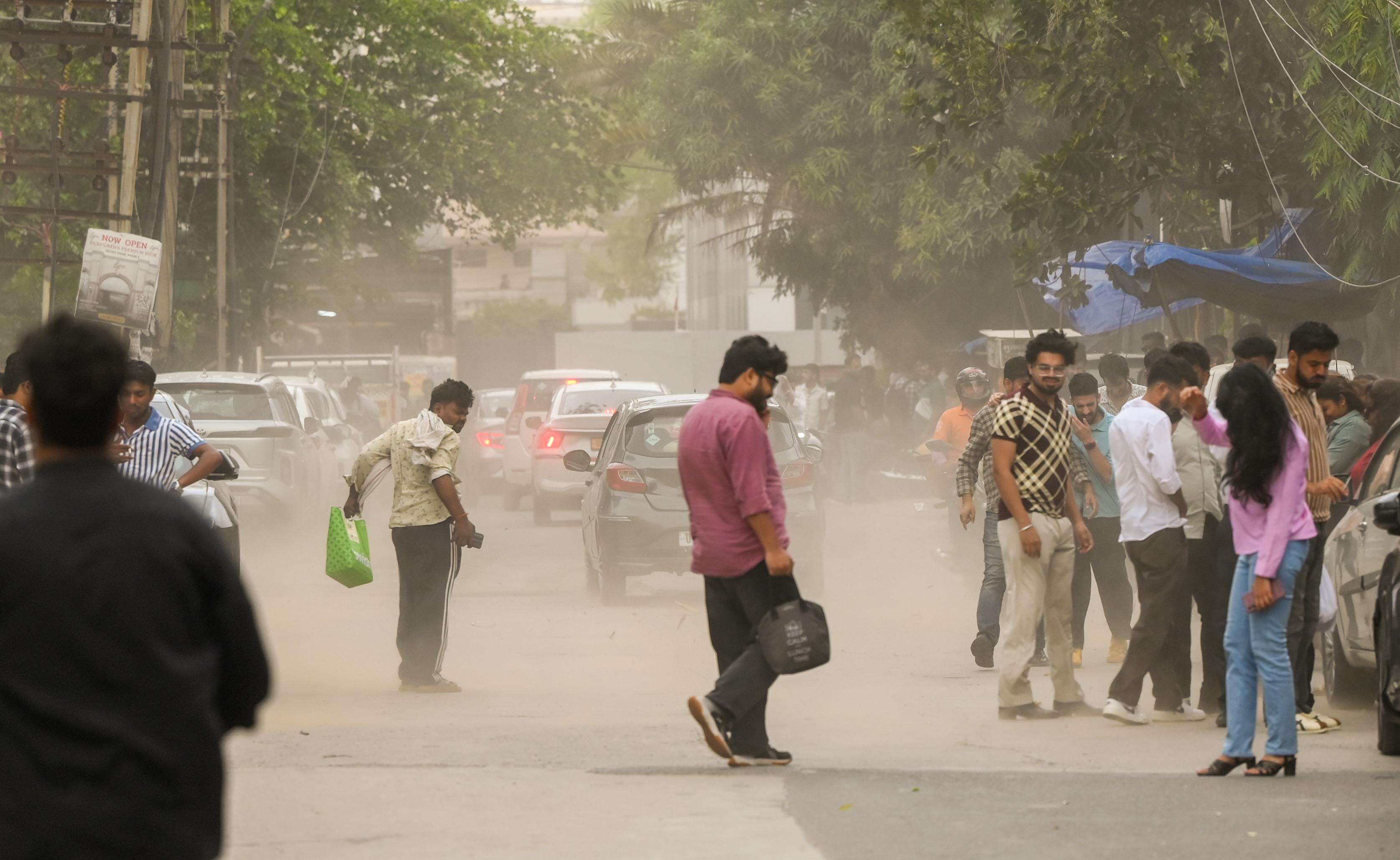
Nitrogen dioxide, associated with vehicular and combustion emissions, peaked at 2 am
Air quality experts attribute the night-time spike to lower atmospheric mixing heights, weaker winds, and temperature inversions that trap pollutants close to the ground. As daytime temperatures rise, stronger atmospheric mixing disperses pollutants, producing the relative afternoon reprieve the data shows.Clean Air at EnviroCatalysts programme manager Jinitha Varghese told TOI that particulate levels in Gurgaon follow both the meteorological cycle and human activity patterns. “They peak at night and during morning office hours, coinciding with high traffic emissions from city vehicles and heavy goods vehicles, industrial emissions at night, and lower dispersion at lower temperatures,” she said. The afternoon offers partial relief from particulate matter pollution, she added, but ozone rises during that same window. “Ultimately, there is relatively no pollution-free window for citizens.”Under India’s National Ambient Air Quality Standards (NAAQS), the annual permissible limit for PM2.5 is 40 µg/m³ & PM10 is 60 µg/m³. For nitrogen dioxide (NO₂) it is 40 µg/m³, while sulphur dioxide (SO₂) is also capped at 50 µg/m³. For carbon monoxide (CO), the standard is 2 mg/m³ for an 8-hour average and 4 mg/m³ for a 1-hour average, while there is no annual average limit. Ozone (O₃) is regulated at 1-hour and 8-hour averages of 180 µg/m³ and 100 µg/m³ respectively, with no annual standard prescribed.