







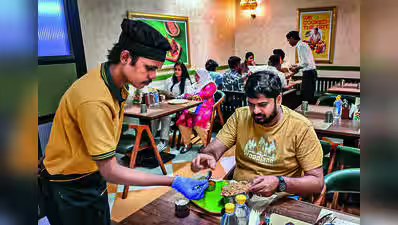
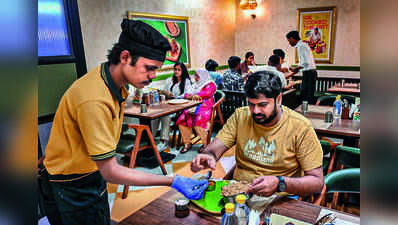
It wasn’t long ago that Chennai’s Chicken 65 was ranked the world’s third-best fried chicken dish. Today, Tamil Nadu is as celebrated for its Chettinad chicken and nandu rasam as it is for its fiery podi idlis and masala dosas. Capitalising on this popularity, regional non-vegetarian restaurant chains are looking beyond the state, targeting metros in northern and western India for expansion. Balachandar R, director of Junior Kuppanna, said the company is planning more than 100 new outlets. Identifying biryani, parotta and dosa as dishes that can connect with diners across India, he said expansion will start in Bengaluru, followed by Mumbai, Hyderabad and Delhi-NCR by 2028.Senthil Kumar, chief business officer of Dindigul Thalapakatti, echoed a similar plan. “We have a total of 87 outlets, including 21 in Bengaluru, a few abroad and the remaining in Tamil Nadu. We are planning to expand in other parts of the country. Maharashtra is on our radar because of the demand for non-vegetarian south Indian food.” He added, “We don’t do franchises. We have central kitchens, so we plan to open four to five outlets in Pune first, then expand to Mumbai. All biryani chefs will be flown down from Tamil Nadu.”While chains established a presence in global markets to target the diaspora and better returns on investment, domestic expansion into metros with non-veg offerings is now an emerging priority. “Pan-Indian exposure to south Indian food has been dominated almost entirely by vegetarian chains like Saravana Bhavan, Sangeetha, Sagar Ratna etc., which turned idli and dosa into national staples. Our non-vegetarian cuisine never achieved much prominence,” says Balachandar, adding, “Now we want to popularise signature south Indian non-vegetarian specialities such as Pallipalayam chicken and Chettinad curry.” Junior Kuppanna is currently in the final stages of closing a $10 million fund infusion from strategic investors amidst strong northern franchisee interest.Anjappar Chettinad Restaurant operates over 50 outlets across TN and 54 outlets abroad, including parts of Europe, Canada and UAE. It is also actively eyeing expansion up north. One of the company’s directors, Sangeetha Maruthapandian, said, “Starting in 2027, we are looking forward to opening at least 15 to 20 new outlets in Delhi and Mumbai, apart from Hyderabad. We plan to invest around Rs 10 crore to Rs 12 crore in each outlet.” Sangeetha says it’s not just their famous Chettinad-style dum biryani, but also tiffin items such as dosa, idli and idiyappam that will pair well with their non-veg favourites, such as Aatukal Paya (mutton paya) and Nattu Kozhi Masala. “Idli with chicken kurma is one of our top-selling items during Diwali,” says Sangeetha, who is confident that non-veg lovers outside TN will love this combination, too. Sangeetha is also expecting Anjappar’s huge range of fish dishes to catch the fancy of those up north, west and especially east.Rising disposable income and travel drive demand for authentic regional cuisines. South Indian cuisine is the most preferred overall at casual dining restaurants across India, as per the 2024 National Restaurant Association of India (NRAI) report. In urban India, south Indian cuisine is the second most preferred cuisine for online food delivery. Foodies are exploring non-veg flavours from TN such as Mutton Chukka or Chettinad chicken and parotta as an alternative to the local staples butter chicken and naan. Mumbai, Delhi-NCR and Bengaluru remain the top three markets for the organised food services market in the country, per NRAI. Greater Mumbai market is estimated to be around Rs 55,181 crore, and Delhi is pegged Rs 42,002 crore as of the industry body’s last report in 2024.
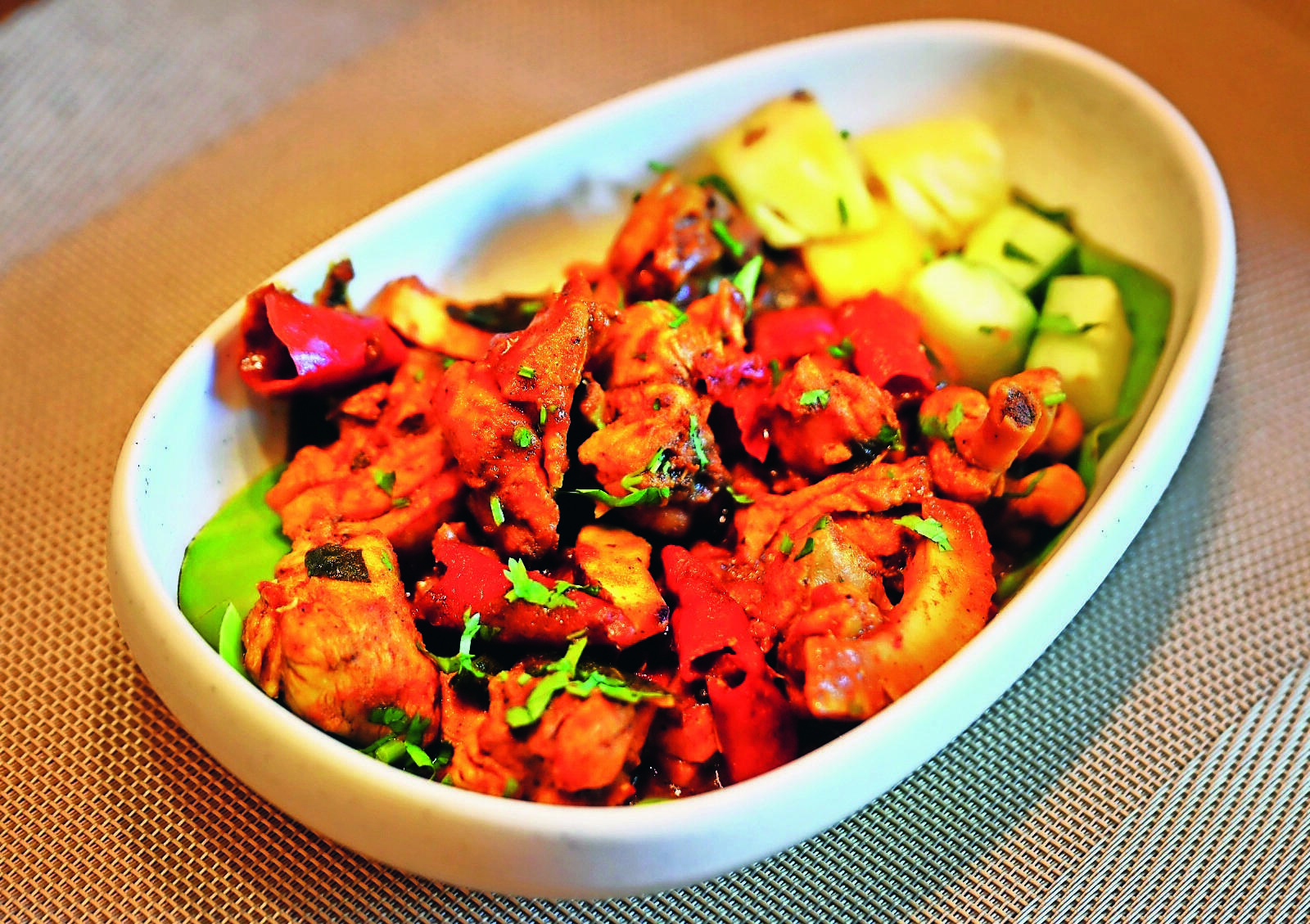
There is no such thing as ‘south Indian’ food, so if it’s from TN, people know whether it’s Chettinad or Kongunadu cuisine, and what’s Nanjilnadu or Tondaimandalam cuisine, says Food evangelist Yogita Uchil
Food evangelist Yogita Uchil, who has been reviving regional and micro cuisines, attributes this growing interest and awareness to travel and social media influence. “Earlier, it was about people exploring continental, but now, thanks to the travel boom, there is an awareness of the local food in different parts. There is no such thing as ‘south Indian’ food. If it’s from TN, people know whether it’s Chettinad or Kongunadu cuisine, and what’s Nanjilnadu or Tondaimandalam cuisine,” says Uchil. “There is a demand for regional non-veg favourites in other cities, too,” says Uchil.There is potential for south Indian restaurants as consumers experiment with new foods, said Gandharv Dhingra, CEO of Roll Baby Roll and chapter mentor of NRAI Chennai. However, he advises entering the market through a fast-casual or fine-dining format. Higher average ticket sizes are needed to absorb rental premiums before mass volumes kick in. “Real estate costs in the north are steeper than in the south. Southern chains traditionally rely on high-volume models at lower price points, selling around 2,000 meals a day at Rs 300–Rs 400 in Chennai to achieve economies of scale. Because mass adoption takes time in northern markets, trying to replicate a low-margin, high-volume model against higher rentals strains unit economics.”Dhingra adds that authentic ingredients like short-grain Seeraga Samba rice may be a niche product, but he sees a distinct gap for high-quality meal experiences and other options. He advises restaurateurs to focus closely on aesthetics, ambience, choosing the right meat, spice tolerance, and local culture.