








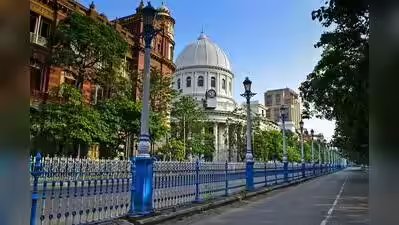
Kolkata: The Bengal govt has unveiled an ambitious roadmap to reposition Kolkata as a global heritage tourism destination, announcing plans to seek Unesco recognition for the city’s Dalhousie Square and the centuries-old artisans’ quarter of Kumartuli while expanding river and religious tourism across the state.Presenting the tourism department’s budget in the assembly on Thursday, tourism minister Shankar Ghosh announced that the department will pursue Unesco recognition by projecting Dalhousie Square as a “Living Heritage” precinct and leveraging the living cultural traditions of Kumartuli and north Kolkata.The finance department has allocated Rs 527.8 crore to the tourism department for 2026-27. “The previous regime used to make impressive budget allocations but managed to spend barely one-fifth of the sanctioned amount in successive years. Our focus is on implementation and creating tourism assets that generate livelihoods,” Ghosh later told reporters.The minister said the department would support the Unesco initiative through a series of heritage-focused interventions, including curated walks, facade illumination of landmark buildings, light-and-sound shows, and the creation of night markets to transform Kolkata’s colonial core into an immersive cultural tourism destination.Officials said a detailed research exercise is underway to strengthen the proposal for Unesco recognition. A comprehensive nomination dossier for Dalhousie Square — home to some of India’s finest colonial-era administrative and commercial buildings — has been prepared. It will form the basis of the state’s engagement with Unesco.The tourism strategy also places significant emphasis on harnessing the Hooghly river as a tourism asset. The department plans to develop a dedicated river tourism circuit by restoring historic ghats, introducing river festivals, improving waterfront infrastructure, and expanding ferry-based tourism. The blueprint also includes procurement of electric vessels and development of modern jetties to promote sustainable inland water tourism.Ghosh informed the assembly that the department is preparing a comprehensive sustainable tourism master plan aimed at balancing economic growth with environmental conservation. The plan envisages eco-resorts, biodiversity-sensitive infrastructure, experiential tourism projects, livelihood generation, and public-private partnerships. Religious tourism forms another key pillar of the govt’s strategy. The minister announced plans to develop 108 religious tourism circuits across Bengal through comprehensive upgrade of temple towns and pilgrimage centres. The programme will include beautification of religious precincts, pedestrian-friendly streets, uniform signage, improved lighting and sanitation, parking facilities, digital connectivity, visitor facilitation centres, better last-mile connectivity, and integrated pilgrim management systems.