







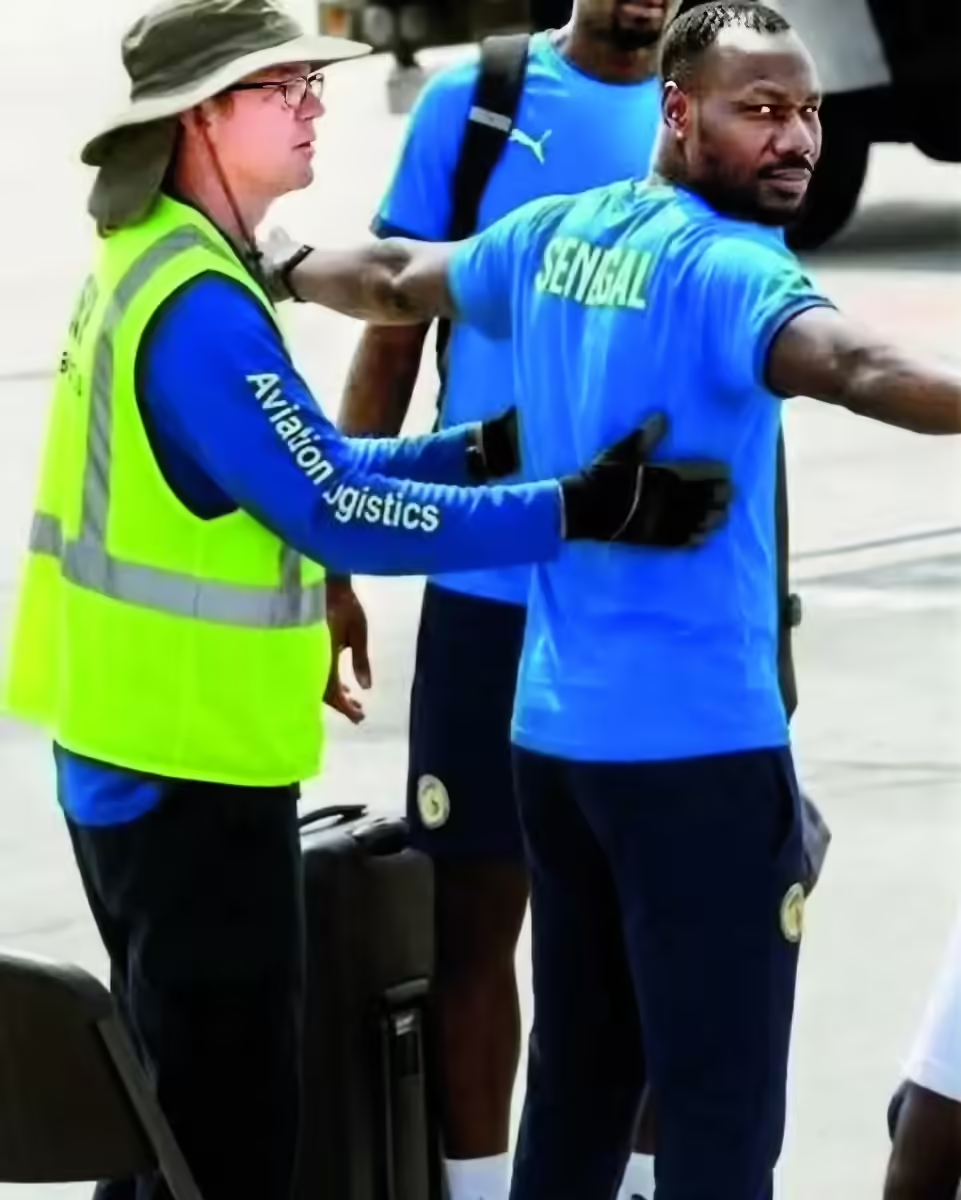
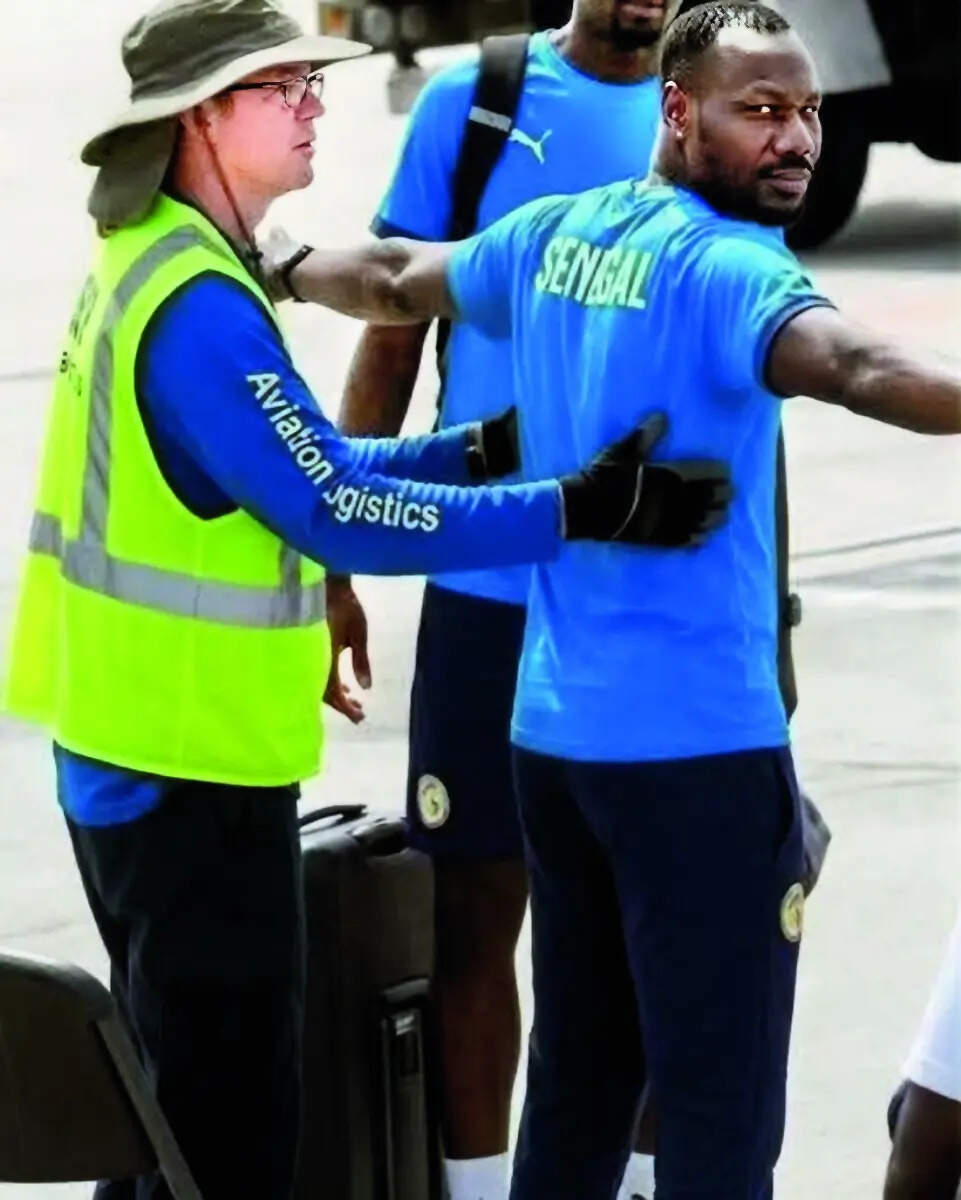
The FIFA World Cup is often described as football’s ultimate global celebration, a tournament that transcends borders, politics and cultural divides. Yet, as the 2026 edition kicked off on June 11 across the United States, Mexico and Canada, attention quickly shifted from the action on the pitch to a growing list of visa denials, entry restrictions and security controversies linked largely to matches hosted in the United States. While FIFA has repeatedly maintained that immigration decisions fall under the jurisdiction of host governments, critics argue that geopolitical tensions and stringent US immigration policies have cast a shadow over the tournament, affecting players, officials, administrators and supporters alike. Somali referee denied entrySomali referee Omar Abdulkadir Artan was denied entry into the United States despite holding a valid visa and being selected to officiate at the World Cup. Artan, 34, who was named the Confederation of African Football’s Referee of the Year in 2025, was stopped at Miami International Airport and deemed inadmissible by US authorities over what officials described as “vetting concerns”. US authorities later alleged links to individuals suspected of involvement with terrorist organisations, an accusation Artan has denied. The decision prevented him from becoming the first Somali referee to officiate at a World Cup. FIFA said entry decisions rest with host nations and confirmed that Artan would still receive his full tournament fee. He was later appointed by UEFA to officiate the UEFA Super Cup in August. Senegal and Uzbekistan players subjected to intensive screeningMembers of Senegal’s squad reportedly underwent extensive baggage inspections upon arrival in San Antonio, while Uzbekistan’s players faced additional security checks, including drug-sniffing dogs and metal-detector screenings, at their training facilities. Videos of the procedures circulated widely on social media, prompting criticism from fans who questioned whether some teams were being subjected to disproportionate scrutiny.Iraqi striker and photographer detainedIraq striker Aymen Hussein was questioned for nearly seven hours after arriving at Chicago’s O’Hare International Airport, according to Iraqi officials cited by international media. The team’s photographer, Talal Salah, was reportedly detained for more than 10 hours and ultimately denied entry to the United States. Both cases fuelled concerns about the treatment of World Cup participants under heightened immigration and security protocols.Fans face travel hurdlesSupporters from several countries have encountered difficulties travelling to the tournament. Reports indicate that fans from countries affected by US travel restrictions, including Iran, Haiti and Somalia, have faced significant visa challenges. Moroccan supporters have also reported visa denials despite having purchased tickets and accommodation, while some Scottish fans claimed their travel authorisations were unexpectedly revoked. These cases have intensified concerns about accessibility and inclusivity at a tournament marketed as a global festival of football. Palestinian football chief denied visaJibril Rajoub, president of the Palestinian Football Association, was reportedly denied a US visa despite holding FIFA accreditation. The decision prevented him from attending World Cup matches in the United States. Rajoub described the move as politically motivated and argued that it restricted the participation of recognised football officials in the sport’s premier event.England equipment theftEngland’s World Cup preparations suffered an unexpected setback when equipment worth approximately $18,000 (£13,500) was stolen from a vehicle transporting supplies from the team’s training base in Florida to Kansas City. Authorities charged two men, Mustafa Salik and Erfan Kamal, in connection with the theft. The stolen items included football boots, goalkeeper gloves, training gear and signed jerseys valued at around $15,000. Iranian delegation faces restrictionsIran, one of the countries affected by the Trump administration’s travel restrictions, has faced particular challenges. The Iranian squad travelled to its tournament base in Mexico and has reportedly been permitted to enter the United States only for matchdays. Iranian officials said several federation executives, advisers and media personnel were denied entry visas. Tehran criticised the measures as discriminatory, while US authorities maintained that security considerations remained paramount.Ticket pricing controversyAway from immigration issues, FIFA is also facing scrutiny over its ticketing practices. The attorneys general of New York and New Jersey have launched an investigation into allegations that FIFA’s ticket sales process misled consumers and contributed to steep price increases. Officials are examining claims that some fans received seats different from those advertised and that dynamic pricing significantly increased costs for many matches. New Jersey Attorney General Jennifer Davenport described the process as a “gauntlet of confusion, fake scarcity and impossibly high prices”. Investigators are also reviewing reports that ticket prices for more than 90 of the tournament’s 104 matches increased by an average of 34 per cent between late 2025 and early 2026. FIFA president Gianni Infantino has defended the pricing structure, arguing that tickets remain competitively priced compared with major American sporting events. Nevertheless, some premium tickets for the World Cup final at MetLife Stadium have reportedly been listed for as much as $32,970, fuelling criticism that the tournament is becoming increasingly inaccessible to ordinary fans.– Compiled by Trisha Majumder