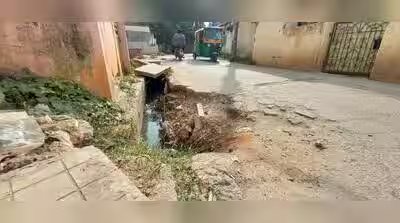





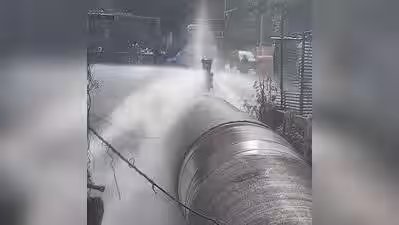
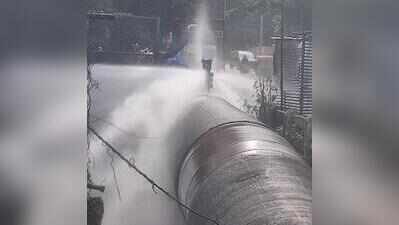
Bengaluru: Bangalore Water Supply and Sewerage Board (BWSSB) will soon bring four Karnataka-based startups on board to find fresh solutions to its ageing pipeline problems. It seeks to improve service delivery and cut non-revenue water (NRW) – the water supplied but never billed – largely because of leakages.The firms have been shortlisted through the state govt’s startup initiative. The names, which have not been made public, will be announced at Bengaluru Tech Summit (BTS), starting Tuesday.The work will be run as a pilot, funded by the IT department with Rs 25 lakh per startup, taking the total to Rs 1 crore. The startups will address three core problems identified by the board, each calling for an innovative solution. The aim is to find answers the board does not currently have. “We will find some solutions which we may not have right now,” BWSSB chairperson Manjula N said. Depending on the outcome, the board could build on an idea or invite a tender for a full-scale proposal.NRW remains a pressing concern because it means continuous wastage of water the board is unable to track. Leaks are hard to identify as the pipelines are old and underground, and some never show up on the surface.The board has tried technology earlier. Last year, the chairperson launched AI-based tools to help identify leakages. The new pilot looks beyond that, towards newer technologies that can detect leaks without digging up roads.The startups will receive inputs on technologies already in use and the new approaches the board is looking at.In the past, BWSSB engineers relied on trial-and-error excavation to find leaks, sewer blockages and structural defects. This often caused traffic snarls, dust pollution and prolonged inconvenience for residents.Previously, BWSSB officials said robotic inspection of underground pipelines was introduced, which helped avoid unnecessary road digging at 399 locations across the city. The robotic units covered about 32.7 km of pipeline between Nov 2025 and May 2026 and detected 394 defects, including leakages, blockages, fractures and structural damage, allowing targeted repairs without major excavation.In another instance, a rusted 40-year-old cast iron drinking water pipeline from an individual house at Lingarajapuram caused water contamination where people fell sick. Footage showed sewage leaking from a house connection, laid with a galvanised iron pipe, a material widely used decades ago but prone to heavy corrosion. As the water and sewage lines ran side by side, the rusted pipe let sewage seep into the drinking water line.Separately, the board plans to launch a green challenge this month. Last year’s phase focused on awareness, sensitising apartment owners and associations to participate and rank themselves.