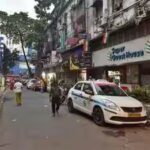











New Delhi: Students protesting at Ambedkar University Delhi’s Kashmere Gate campus alleged Saturday that they were stopped from entering the campus despite BA classes being scheduled and were denied access to the library. They also claimed that supporters were prevented from taking food to students participating in an indefinite sit-in that has been underway since Sept 28.The university, however, said the library, laboratories and some blocks were closed for maintenance and that students had been informed in advance. It also maintained that no permission had been sought or granted for the indefinite protest and that a designated protest site was available on campus.The developments came a day after an altercation broke out between students and security personnel when students attempted to carry food inside the campus for protesters. Videos circulating online showed students trying to enter with food while security personnel stopped them at the gate.On the altercation, AUD said students had “manhandled” security guards and that the matter was under the cognisance of Delhi Police. It added that gate checks were part of standard security procedures and that its medical team was monitoring the protesting students.The sit-in, involving members of the students’ council and AISA, is against several university policies and infrastructure-related issues, including a circular making attendance and whereabouts mandatory for PhD scholars. Students are also seeking changes to the policy governing prior approval for protests on campus.The protesters have further demanded the removal of permanent barricading around the vice-chancellor’s office, which houses the campus’s only lawns, alleging that students have been denied access to the area. They have also raised concerns over the main campus gate remaining closed for more than a year, forcing them to use a smaller rear gate accessed through an alley they describe as unsafe.The administration said it remained in dialogue with the protesters and had responded positively to “permissible and legitimate demands” within university norms.