








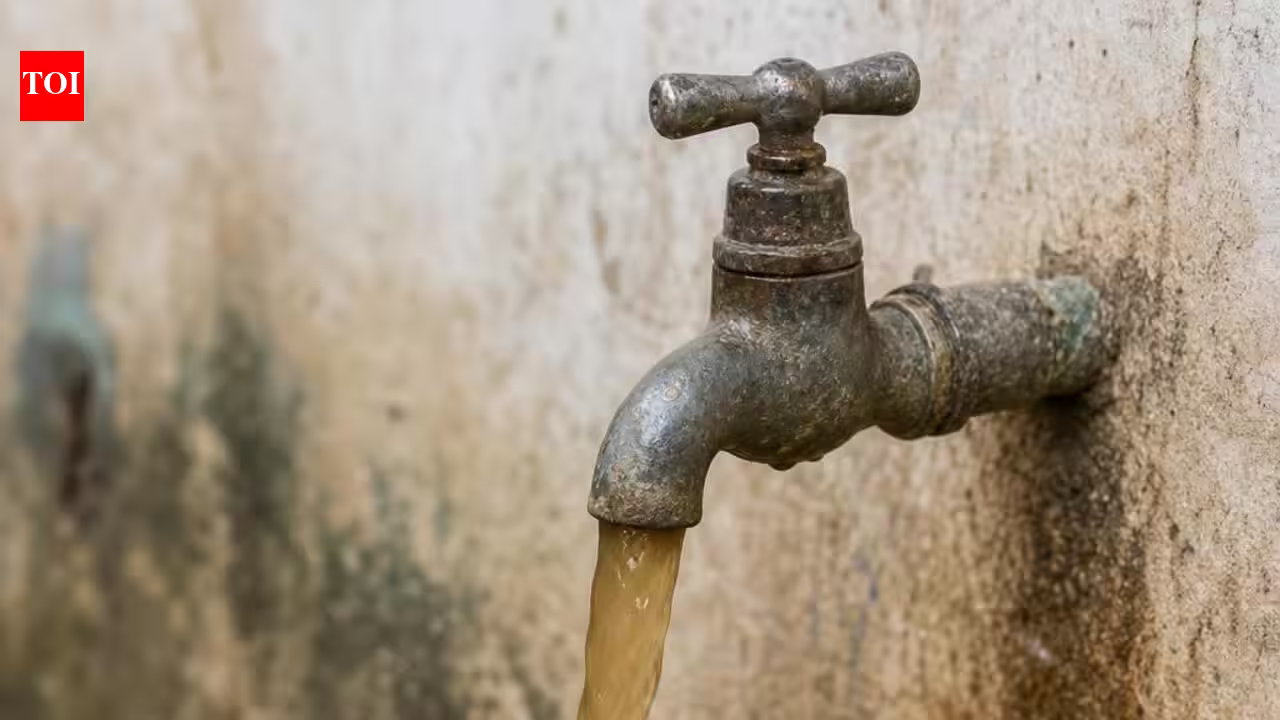
Surat: For nearly 20 days, several areas of the city received discoloured and foul-smelling water, triggering health concerns among residents. While water quality has gradually improved, the prolonged disruption has raised questions about the water supply system in the city.Since the second week of Oct, residents of several areas, including Rander, City Light and Bhestan, have complained about coloured water with an unpleasant smell. Some residents have also reported stomach-related health problems. Although the Surat Municipal Corporation (SMC) initiated measures to improve water quality following the complaints, the situation took longer than usual to resolve.The city’s primary source of water is the weir-cum-causeway, from where water is supplied to residents after treatment at water purification plants. Over the year, impurities and polluted water enter the weir, encouraging vegetation growth and increasing the density of the stored water, SMC officials said.Water quality complaints typically emerge every year after the monsoon, particularly as temperatures rise during the transition from the rainy season to winter. To address the problem, SMC generally requests the state govt to release water from the Ukai dam to flush out impurities from the weir. This year, too, the corporation sought the release of water, with around 1,500 cusecs discharged. However, the improvement was slower than expected.“Unlike in previous years, rainfall was limited this year and there was no heavy discharge of water from Ukai during the monsoon. As a result, the natural flushing of the weir, which usually takes place every monsoon, did not happen,” an SMC official said.The official explained that the natural flushing process helps wash away accumulated impurities from the weir. In its absence, contaminants remained in the waterbody, further affecting water quality.“Water discharge from Ukai was initiated to improve water quality, and it has resolved the problem to a large extent,” the official added.However, residents remain concerned about the prolonged disruption and its impact on public health. They have also called on the civic body to find a lasting solution rather than relying on temporary measures every year.“For nearly 20 days, the water quality remained poor. We have never experienced such a prolonged period of poor-quality water. It has affected people’s health as well. The civic body and its councillors should pay greater attention to the issue and find a long-term solution,” said Sandip Shah, a resident of City Light.