










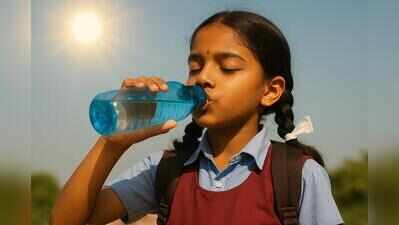
Noida: As schools reopen after summer break amid intense heat and high humidity, doctors said there is a noticeable rise in dehydration cases among children and have urged parents and school authorities to take precautions against heat-related illnesses.The concern has sharpened after a Class X student of a private school died on Wednesday following difficulty in breathing triggered by heat exhaustion. He had been playing on the school grounds before he collapsed.According to doctors, while soaring temperatures often receive the most attention, highly humid temperatures are equally harmful. It silently increases the risk of heat-related illnesses by disrupting the body’s natural cooling mechanism.Normally, sweat evaporates from the skin to lower body temperature. But when humidity levels are high, sweat evaporates slowly, making it difficult for the body to cool itself. As a result, children lose fluids and electrolytes rapidly, even without prolonged exposure to direct sunlight.“Children are physiologically more vulnerable than adults. They generate more body heat during physical activity, sweat less efficiently and often fail to recognise or communicate early symptoms of dehydration. Many get engrossed in classes or play and simply forget to drink water until they are already dehydrated,” said Dr Vandana Garg, associate director of internal medicine at Max Super Speciality Hospital in Vaishali.According to her, long school commutes, crowded buses, outdoor assemblies and physical education classes during the hottest hours further increase heat exposure and further put schoolchildren at risk. Younger children, particularly those under 10 years, are more susceptible because their body’s temperature regulation mechanisms are still developing. Children with obesity, asthma, congenital heart disease, diabetes or other chronic illnesses require even greater precautions.The Class X boy who died had a history of respiratory illnesses and was required to carry an inhaler, which he had left behind that day.Doctors are also calling for schools to modify daily routines during periods of extreme heat. “Outdoor assemblies, sports periods and physical education classes should ideally be shifted to early morning hours or moved indoors. Schools should ensure uninterrupted access to clean drinking water, provide shaded waiting areas where students gather before dispersal, maintain proper classroom ventilation and sensitise teachers to identify early symptoms of heat stress,” a senior doctor at the Noida district hospital said.Experts stressed that recognising dehydration early can prevent serious complications. Initial symptoms include unusual tiredness, excessive thirst, dry lips, dizziness, persistent headache, nausea, muscle cramps, irritability, poor concentration and reduced urine output. Younger children may become unusually sleepy, refuse fluids or appear listless. Warning signs such as rapid breathing, persistent vomiting, confusion, fainting or high fever require immediate medical attention.While drinking water is recommended, it is only a partial solution.“Hydration is not just about replacing water. During excessive sweating, the body also loses essential electrolytes such as sodium, potassium and chloride, which help regulate muscle function, nerve signals and maintain the body’s fluid balance. Simply drinking plain water may not always be enough if electrolyte losses are significant. Replenishing these salts through ORS, coconut water or other electrolyte-rich fluids helps prevent fatigue, muscle cramps, dizziness and more serious complications such as heat exhaustion and heatstroke,” the doctor said.