









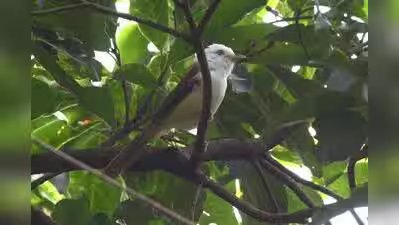
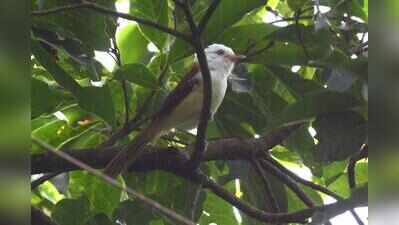
Kolkata: A bird believed to have possibly disappeared from north Bengal has made a comeback through a birder’s lens after 95 years. The white-hooded babbler, considered historically resident in the Bengal Terai, had not been sighted since 1931.The photo was captured by eBird reviewer and birder Sandeep Biswas in Rongtong outskirts.The white-hooded babbler has a long but sparse history in north Bengal. While historical specimens from Darjeeling and north Bengal are preserved in several museums, the latest known specimen was collected at Tarkhola in the Teesta Valley on Jan 15, 1931, by H Stevens. Ornithological literature, including works of Ali & Ripley and Rasmussen & Anderton, has documented the bird and it continues to be included in regional checklists.Biswapriya Rahut, founder member of Kolkata-based Birdwatchers’ Society, said the species’ habitat — low-altitude bamboo groves — makes it particularly difficult to locate, as such groves have become scarce in the lower reaches of the Mahananda Wildlife Sanctuary. “The low continuity of low-altitude bamboo groves and the accessibility of these habitats are perhaps making sightings of this bird very difficult. Perhaps, the birds were here but not sighted,” Rahut said.The white-hooded babbler, Rahut said, is also found in Arunachal Pradesh and Bhutan. The latest sighting at Rongtong could, therefore, be significant in understanding whether the species continues to maintain a foothold in suitable habitats along north Bengal’s forested belt.Kanad Baidya of the Birdwatchers’ Society said naturalist Peter Beck had been looking for the species in the area for the past few years. “Credit should also go to Sandeep for this finding,” Baidya said.The Rongtong photograph could now prompt further searches in the surrounding forests and habitats to determine whether the sighting represents an isolated occurrence or points to a surviving local population.