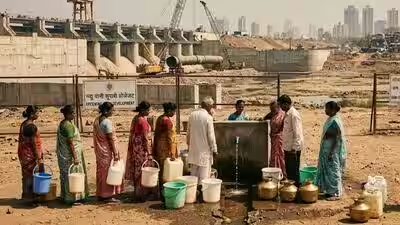







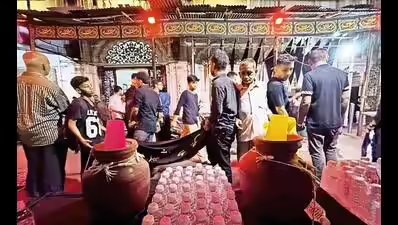
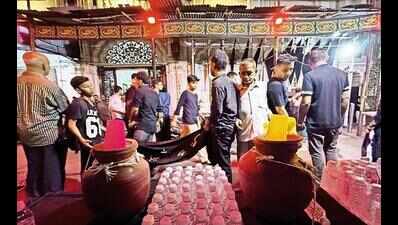
Mumbai: The parched plains of Karbala desperately needed a respite from a dry spell. Unable to bear the sight of his 6-month-old son Ali Asghar’s thirst, Imam Hussain requested Yazid’s army to lift the ban on the waters of Al Khama, a tributary of the River Tigris, for the tents of Hussain and his companions. Instead of receiving water, the child got an arrow, dying instantly.This tragic episode is a powerful imagery, the ultimate cruelty, in the tragic tale of the Battle of Karbala (today’s Iraq) fought in 680 between the army of the dishonest, debauched Umayyid king Yazid and Prophet Muhammad’s grandson Imam Hussain and his companions. Preachers and poets for centuries have constantly referred to the severe thirst Hussain and his family members were forced to endure at Karbala even as the mighty Tigris flowed in its vicinity. Zakireen (narrators of Karbala story) and reciters of elegiac poetry commemorating the tragedy highlight the denial of water, the life-saving commodity most of us take for granted and begin valuing only when it becomes scarce.As the arrival of monsoon was declared, Moharram mourners are being told not just how important water is, but also why saving it is akin to paying tribute to the martyrs of Karbala.“We heard our imam Maulana Roohe Zafar in his Friday sermon emphasising the need to save water. Denial of water was among the adversities thrust upon Imam Hussain and his companions at Karbala and we must value water as we commemorate the martyrs,” says Ali Akbar Shroff, president, Khoja Shia Ishnashari Jamat (Mumbai), at the Jamat’s office in Dongri.The Jamat’s vice-president, Haji Parekh, is an acclaimed reciter of marsiya or elegiac poems commemorating the Karbala tragedy. Paani or water is among the poems he passionately recites. “Tadap ke margaye bache na mil saka paani/ Woh tadpe paani par aur unpar tadap gaya paani (The children died yearning for water, but not a drop came to them/They desperately yearned for water and water yearned for them),” is a line in the mournful poem.“This is why you see sabeels dotting street corners, especially near masjids, mausoleums and imambadas. Besides free water, at many places free sherbet is also distributed,” says the Jamat’s honourary secretary Sajjad P Shroff.A sabeel, where earthen pots are kept, especially during the initial 10 days of Moharram till Ashura (10th Muharram, Imam Hussain’s Martyrdom Day, June 26 this year), is a familiar sight in Moharram. “As children, we would collect money to set up sabeels. There is no discrimination in the distribution of water of a sabeel. I am glad there is a call to save water from Moharram majlises (sessions),” says businessman-educationist Nasir Jamal, who grew up in the Bhendi Bazaar area.Citing the hardships Imam Hussain endured, preachers emphasise the value of water in their sermons. “The tragedy of Karbala teaches humanity not only the value of sacrifice, but also the value of every drop of water. Imam Hussain and his companions endured severe thirst, yet their response to oppression was guided by compassion, dignity and unwavering commitment to human values,” says Maulana Sayed Najeebul Hasan Zaidi, who delivers the Moharram sermons at the iconic Masjid-e-Iranian or Mughal Masjid in Dongri.Many are using water’s importance in the Karbala story to spread the message to save water through posters. “We thought this is the right time to remind people of the value of water. Our posters call upon people to remember the thirst in Karbala and save every drop of water,” explains social worker Mehdi Hassan Sumar, who has created and pasted some of these posters.The Karbala story, claims globe-trotting senior preacher Maulana Abid Bilgrami, will remain incomplete without discussion of water and its importance since it was denied to the oppressed at Karbala.