









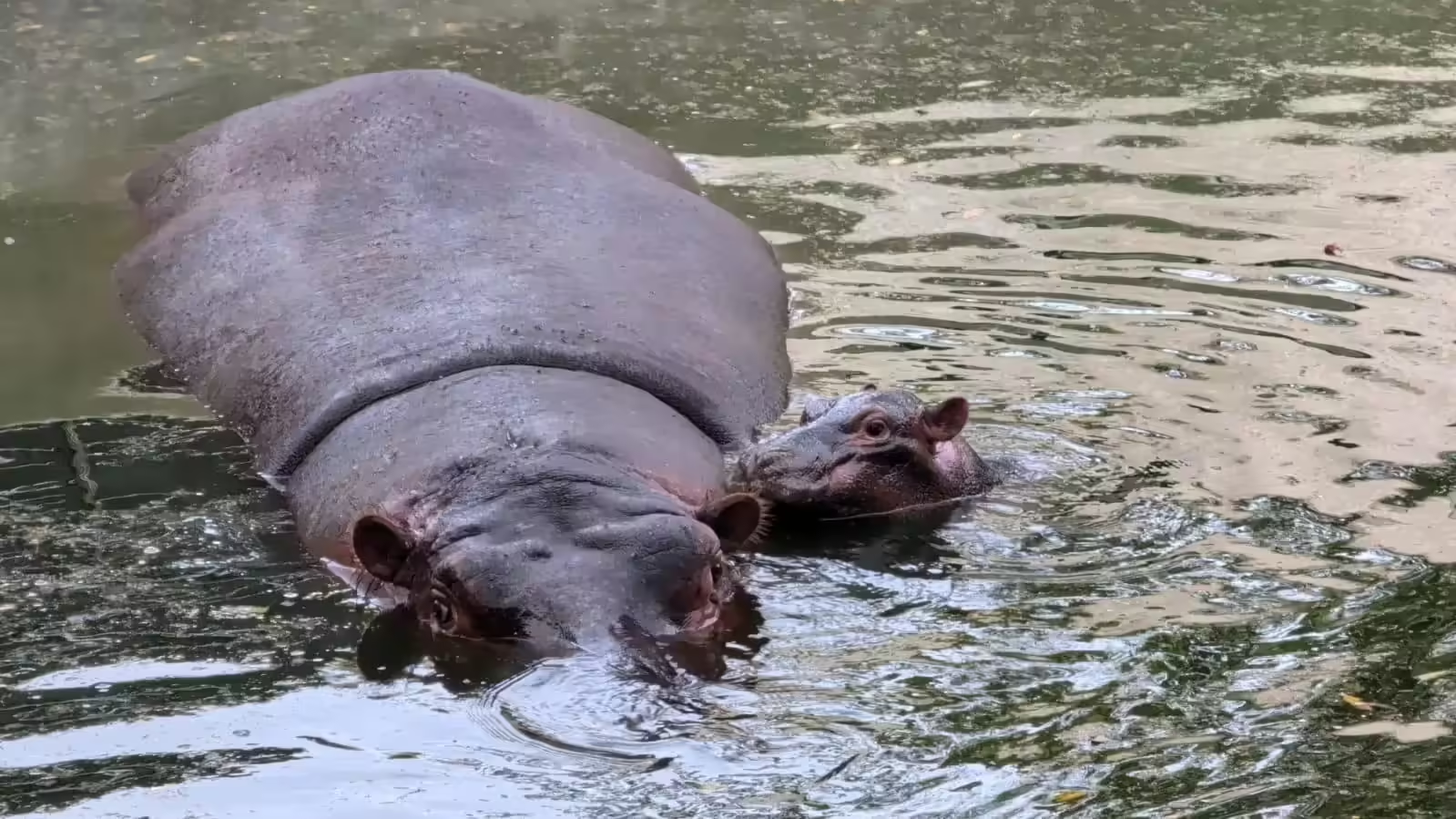
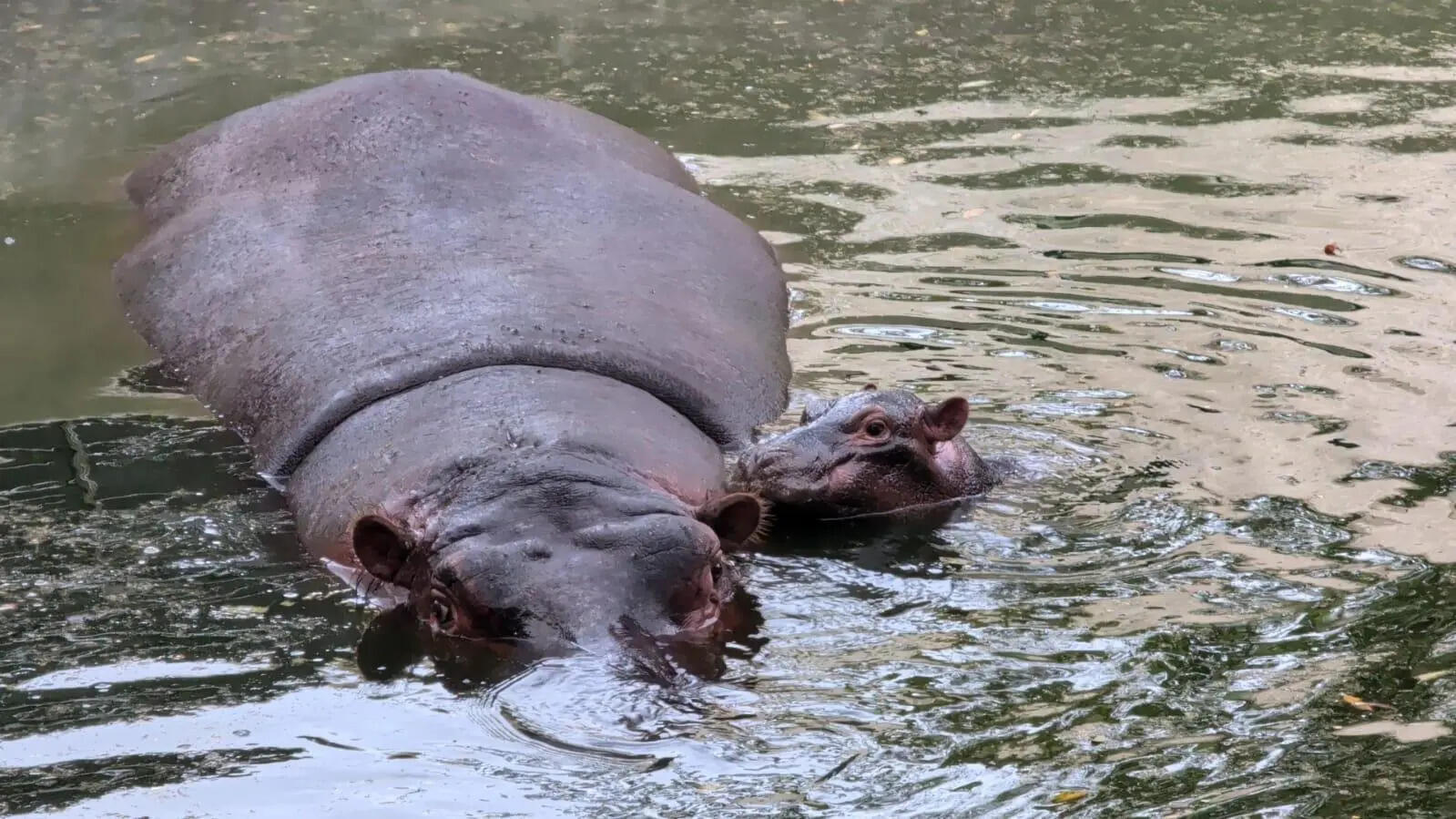
Bengaluru: Turning a new page in its conservation and captive breeding efforts, Bannerughatta Biological Park (BBP) Saturday announced multiple milestones boosting ex-situ wildlife conservation. BBP officials confirmed the successful completion of quarantine and acclimatisation of cheetahs recently brought from South Africa, along with the birth of a zebra foal and a hippopotamus calf.The BBP, after securing permission from the Central Zoo Authority (CZA) and Zoo Authority of Karnataka (ZAK), had imported four cheetahs (two male and two female) from Induna Primate and Parrot Park in South Africa in April 2025. After their arrival, the world’s fastest land mammal was kept under quarantine at the BBP facility. “Cheetahs have completed the mandatory quarantine period and now been shifted to their outdoor habitat for public viewing,” said Surya Sen, executive director of BBP.During quarantine, according to BBP officials, the cheetahs were housed in a dedicated facility and monitored round-the-clock by the animal care team, with close observation of their feeding behaviour, health condition and adaptation to Bengaluru’s climatic conditions. “The addition of cheetahs to BBP enhances visitor experience besides providing an opportunity to raise awareness on conservation challenges faced by them.”In yet another significant development, hippopotamus ‘Dashya’ has given birth to a calf. “Both the mother and calf are under continuous observation, with minimal disturbance. We have also ensured that there is no stress in the enclosure during the critical post-parturition period. Preliminary assessments indicate that the calf is healthy, while Dashya is displaying strong maternal instincts and attentive care,” a BBP officer explained.Similarly, the park also witnessed the birth of a female zebra foal to Zebra Kabini. “The newborn is healthy, active and being nursed regularly under the close care of its mother. With this latest delivery, the zebra herd at BBP has increased to 11 animals. The expanding herd reflects sustained efforts to maintain genetically viable captive populations and provide environments that support natural behaviour and social structure,” an official monitoring the animal breeding programme pointed out.