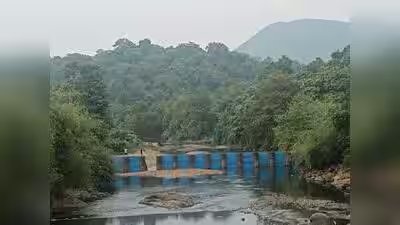











The Sanquelim fort restoration has been completed using traditional conservation practices, with modern construction materials such as cement and concrete deliberately avoided during the process.Traditional lime-based mixtures prepared using organic jaggery and haritaki seeds, were used to replicate old construction techniques. Haritaki seeds, locally known as kadukkai (Terminalia chebula), are soaked and ground alongside other organic additives to create a potent binding slurry. The tannins in the seeds react with the lime to improve workability, increase compressive strength, and reduce porosity. Adding haritaki to lime mortar is a time-tested technique in India to enhance durability of buildings.Former archaeology minister Subhash Phal Dessai, who initiated the works during his tenure, said that the restoration focused on both structural durability and historical authenticity.“One aspect is longevity, and the other is maintaining the archaeological and aesthetic value of these structures. The materials and techniques used were selected so that the restoration remains durable for centuries,” he said.The minister added that a significant portion of the roof at Sanquelim fort was reconstructed using teak wood, chosen for its durability and long lifespan.“The specialty of this restoration work is that traditional materials such as lime mortar, laterite stones, wood and natural rock are used,” archaeology director Nilesh Faldesai told TOI.Inside the fort complex, several restored structures are expected to serve public and cultural purposes. These include a multipurpose hall, recreational spaces for senior citizens and viewing areas for visitors. Authorities are also planning galleries displaying archival photographs and information panels depicting the fort’s history and restoration journey, besides panels of other forts in Goa.“The objective is to introduce visitors of Sanquelim fort to other forts in Goa,” Faldesai said.The fort restoration project had earlier faced hurdles due to the presence of kiosks dotting the fort walls and a govt office housed within the premises. Officials said the shopkeepers have now been rehabilitated by the municipality, while a PWD office located within the fort complex has been shifted before the restoration work began.Situated overlooking the left bank of the Valvonti, the Sanquelim fort once functioned as a strategic defence outpost and served as a port facilitating trade.The total cost of the restoration project is estimated at around Rs 3.8 crore.At Alorna, centuries-old moat awaits revivalRestoration work at the Alorna fort has been completed, following months of conservation efforts focused on reviving the fort’s original defensive structures. Officials described the restoration as one of the more technically challenging heritage conservation projects undertaken in the state due to the fort’s deteriorated condition and overgrown moat area.
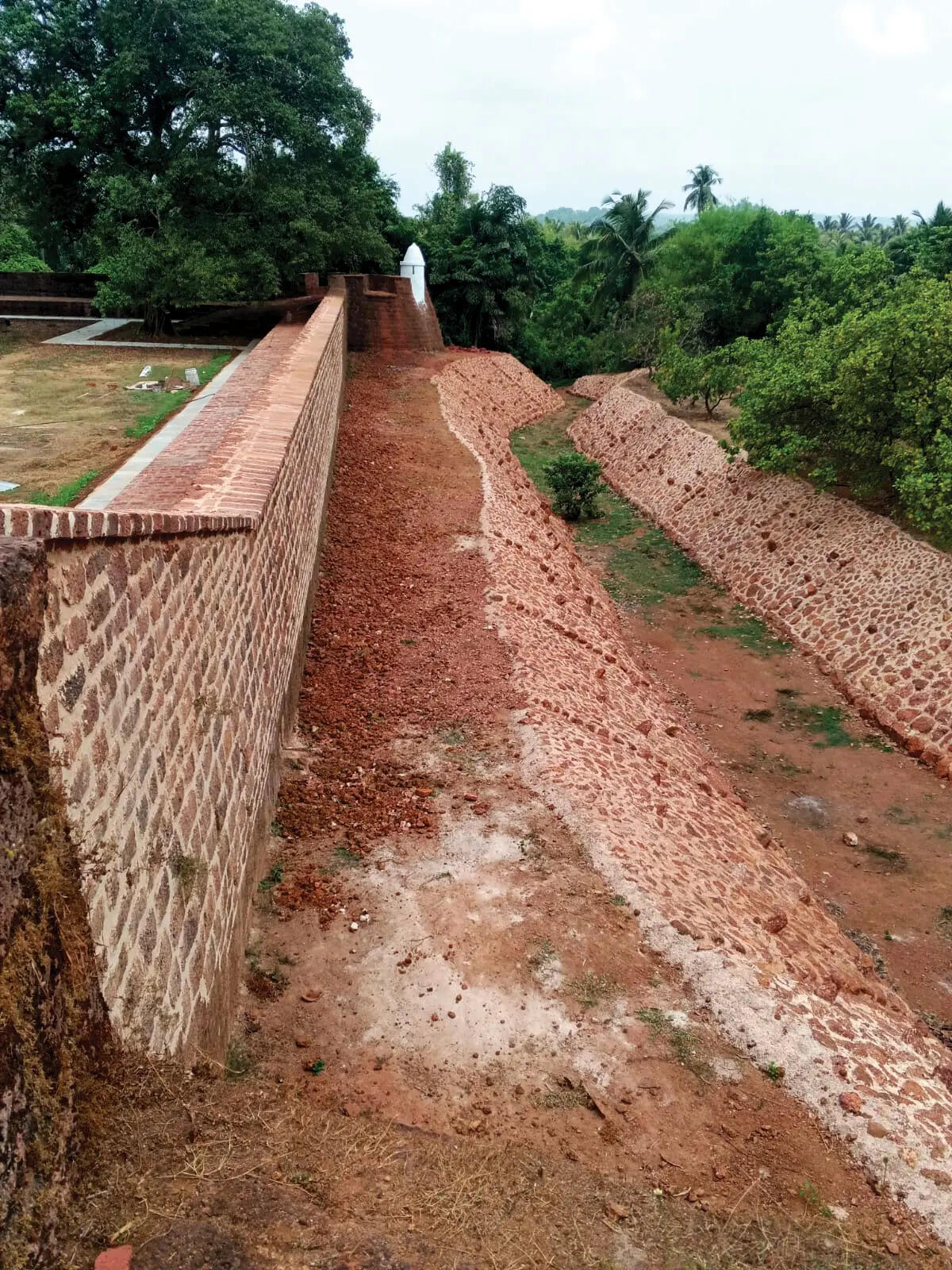
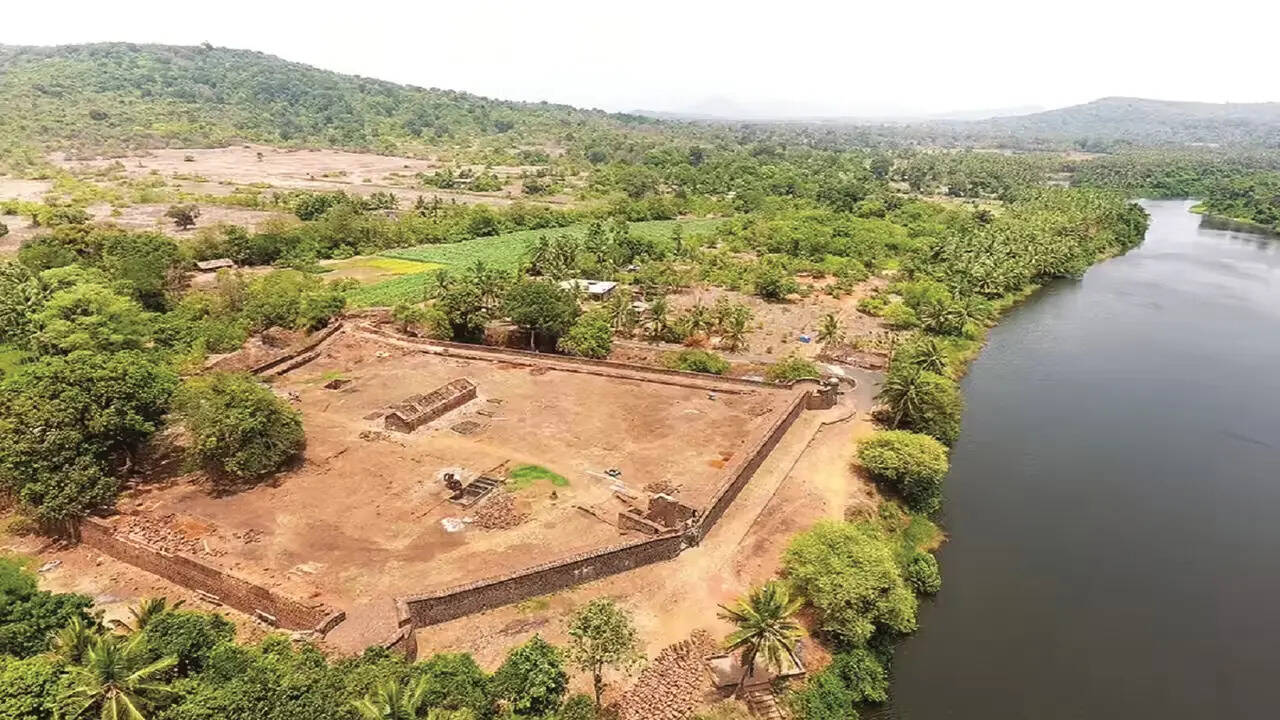
“The moat dates back to around the 16th century and no major restoration work was undertaken through subsequent regimes or govts,” said river navigation minister, Subhash Phal Dessai, who had initiated the works during his tenure as the archaeology minister. The portfolio now lies with chief minister Pramod Sawant.“At one point, the fort was connected to a navigable river system and there was even a dock where trade activity took place. Over time, the river shrank and today only a narrow water channel remains,” he said.
“There was extensive vegetation growth around the moat area and debris that we have now cleared,” archaeology director Nilesh Faldesai told TOI.
Although water has not yet been reintroduced into the moat, authorities said there are plans to refill the moat using water from the Chapora river, but the process faces infrastructural and engineering challenges.“There is a road constructed near the area, which blocks the natural flow. We are writing to the PWD and the WRD because opening the water channel is a major task,” Faldesai said.
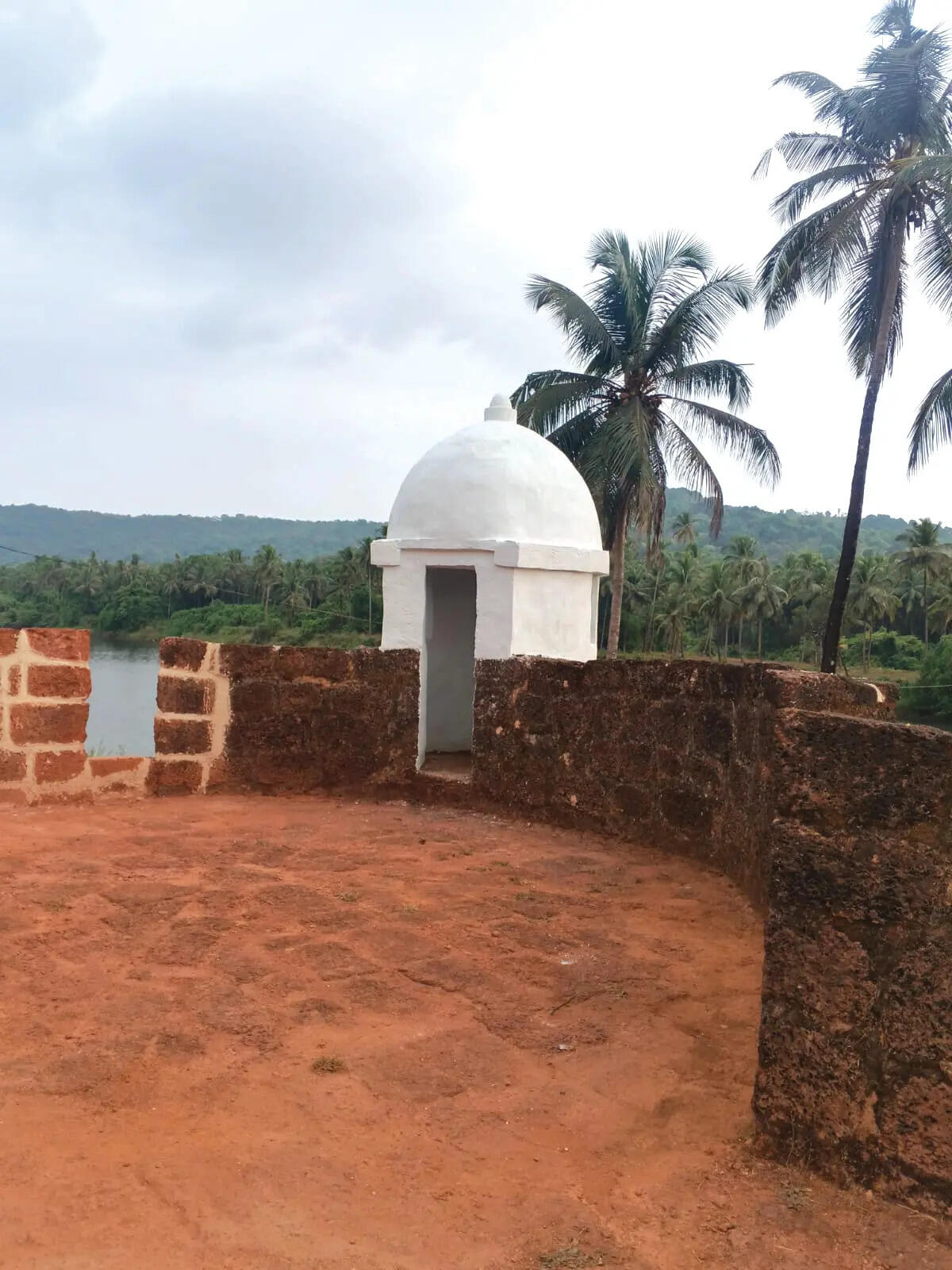
Originally constructed by the Bhonsles of Sawantwadi, the Alorna fort acted as a defense against Marathas protecting Pernem, Maneri and Bicholim, and guarded the river passage from the Portuguese.