








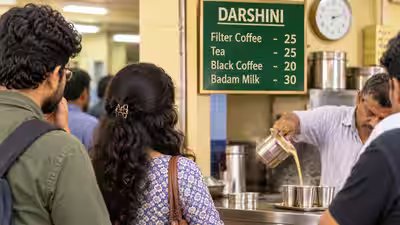
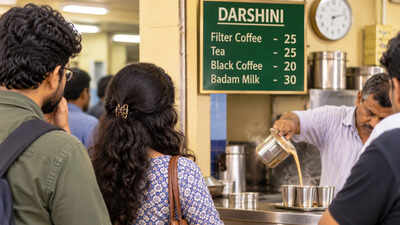
A cup of filter coffee or chai at the neighbourhood darshini is far more than a drink for people in Karnataka. It is a morning ritual, a mid-day break or a quick pick-me-up between work and college. But that simple comfort is now weighing heavier on the pocket, with hotels, darshinis and petty shops across the city raising tea and coffee prices by ₹3 to ₹5 after the latest milk price revision.Just a couple of months after tea and coffee prices were raised amid the LPG price hike and gas supply concerns, regular customers are once again feeling the pinch as their daily cuppa gets costlier. With milk now costlier by ₹8 a litre and curd by ₹14, eateries are once again passing on the increased costs to customers. A cup of coffee that earlier cost ₹20 now sells for ₹25 at some outlets, making even a routine coffee break a more expensive affair.Milk price hike sours the cuppaFor those whose work stretches beyond regular hours, coffee and tea are often indispensable. Photographer and theatre artist Sharath K says the repeated price hikes are making even devoted coffee drinkers think twice about their daily cups.“As we work odd hours, especially around events and gigs, coffee and tea are what keep us going. After the earlier hike this year, we had already begun sharing one cup between two people. Now, with a cup costing ₹25, it is getting harder for those of us who rely on several cups a day. Even a simple coffee break has become an expense we have to think twice about,” he says.Black coffee over the regular brew?For those living away from their families, darshinis and small eateries are go-to spots for everyday meals and beverages. Techie Chethan KM says the latest hike could nudge consumers towards cheaper alternatives.“I usually have coffee at least twice a day. Since I live away from my family, darshinis are where I end up having most of my meals and beverages. But paying ₹25 for a regular cup of coffee no longer seems worth it. Switching to black coffee or black tea is probably a more convenient and economical option. It could also be a healthier alternative, depending on how much sugar and milk one consumes,” he says.Exam season, empty pocketsStudents, who rely on endless cups of tea and coffee to get through assignments, exams and project deadlines, are feeling the pinch too. Engineering student Pavan D says the hike is not limited to darshinis as even neighbourhood petty shops have revised their prices.“During exams, assignments and project submissions, there are days when tea and coffee are almost all we survive on. We end up having several cups just to stay awake and get through the workload. Now, it is not just darshinis but even small petty shops that have raised the price of tea and coffee by ₹5. It may seem like a small amount, but when you are a student buying multiple cups every day, it adds up. It is an inconvenience,” he says.Costlier milk leaves hotels no optionIn a press statement issued on October 29, the Bengaluru Hotels Association said the steep rise in milk prices would make it difficult for hotels to absorb the extra cost without revising menu prices. “If the increase had been limited to ₹2-3 per litre, there would have been no need to increase the prices of coffee, tea or snacks in hotels,” the association said. “The steep hike will make it necessary to increase the prices of all food and beverages made using milk,” it added.Association president PC Rao says the hike has become a burden on consumers, and hotels are being forced to pass on the additional costs. “The prices of milk-based products such as ghee, butter, paneer and cheese could also increase. We are already witnessing irregular supplies of ghee,” he says.