






NEW DELHI: Across history, past and present, virtually every urban centre, from Kolkata, Mumbai, and Chennai to smaller towns such as Jaipur and Panaji, has its own protest site.Over the years, authorities have denotified several in the name of public convenience, while others continue to serve as free speech zones or squares of resistance, news agency PTI reported.Some were sites of British oppression, while many acquired cult status because of their association with Mahatma Gandhi, the original satyagrahi.After Delhi Police denotified Jantar Mantar in the heart of the city as a protest site on Monday, attention turned to other “Jantar Mantars” across the country, most of them located close to the seat of power.Here is a look at some of these sites, each evocatively named to recall its place in history.
Azad Maidan, Mumbai
Originally part of a vast open tract of land called the Esplanade, Azad Maidan was a site of public executions during the 1857 uprising.It later became a key venue for nationalist protests during the freedom movement.Mahatma Gandhi held a massive rally here in 1931, PTI reported.
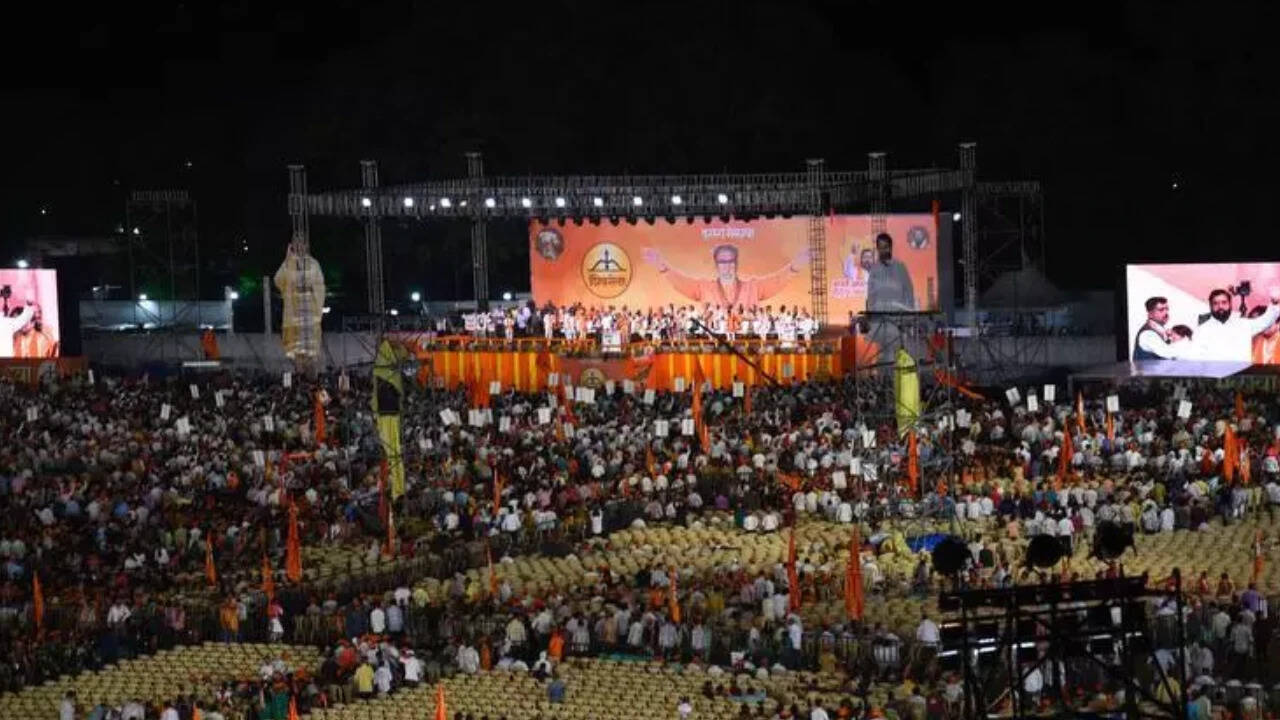
Azad Maidan witnesses various protests along with national level meetings (Photo credit: PTI)
A few kilometres away is Mumbai’s other protest site, August Kranti Maidan, from where Gandhi launched the Quit India Movement in 1942.Shivaji Park, another venue for major political gatherings and public rallies, is also nearby.
Freedom Park, Bengaluru
Modelled on London’s Hyde Park, Freedom Park has a dedicated space for public rallies and protests.The site originally housed a central jail built by the British, where many freedom fighters were imprisoned and sent to the gallows.
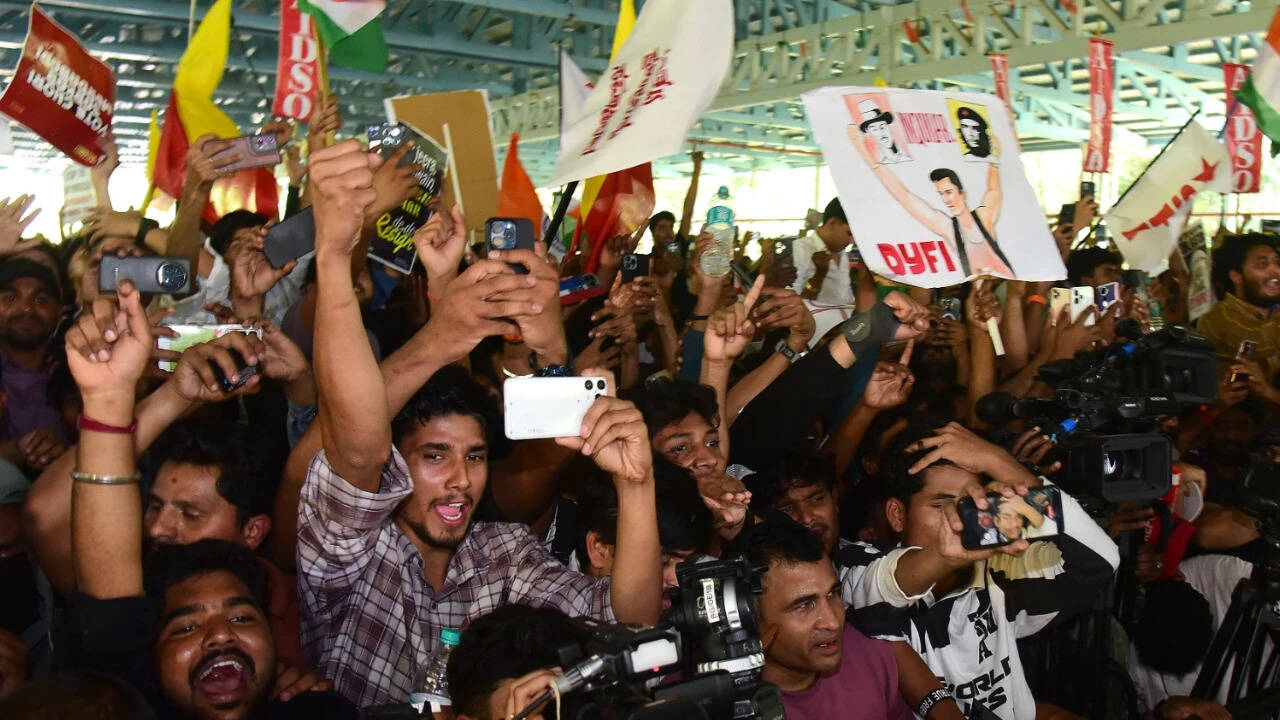
Crowd gathered at Freedom park on Thursday at rally by CJP (Photo credit: Chethan Shivakumar/TOI)
After Independence, several opposition leaders, including Atal Bihari Vajpayee and LK Advani, were imprisoned here during the Emergency, PTI reported.The jail was converted into Freedom Park in 2008, and the site also houses a jail museum.
Brigade Parade Ground, Kolkata
Originally a parade ground for British East India Company forces following their victory in the Battle of Plassey, Brigade Parade Ground became a central protest venue during the freedom movement.This included a rally organised by Deshbandhu Chittaranjan Das against the Rowlatt Act.India’s first prime minister, Jawaharlal Nehru, held a public reception for Soviet leaders here.
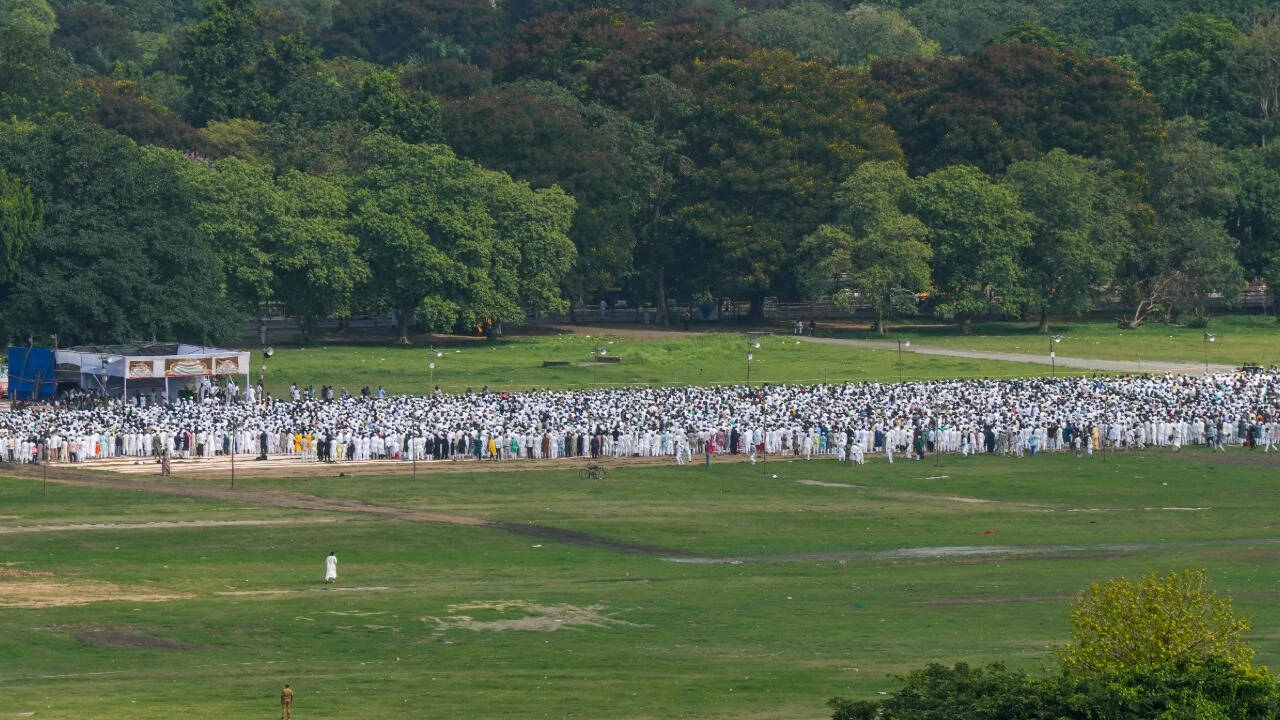
People gather to offer prayers on the occasion of Eid al-Adha at Brigade Parade Ground (Photo credit: PTI)
Indira Gandhi also invited Mujibur Rehman for an event at the ground after the formation of Bangladesh following India’s victory against Pakistan, PTI reported.The ground has also witnessed massive rallies organised by successive state governments, including the Left, the Trinamool Congress and now the BJP.Other protest sites in Kolkata include Rani Rashmoni Avenue near Esplanade, Shaheed Minar Maidan and College Square.
Gandhi Maidan, Patna
Previously known as Patna Lawns and Bankipore Maidan, this sprawling ground near the banks of the Ganga has hosted several historic protests and rallies.The British developed it for military drills, horse racing, polo and a golf course.
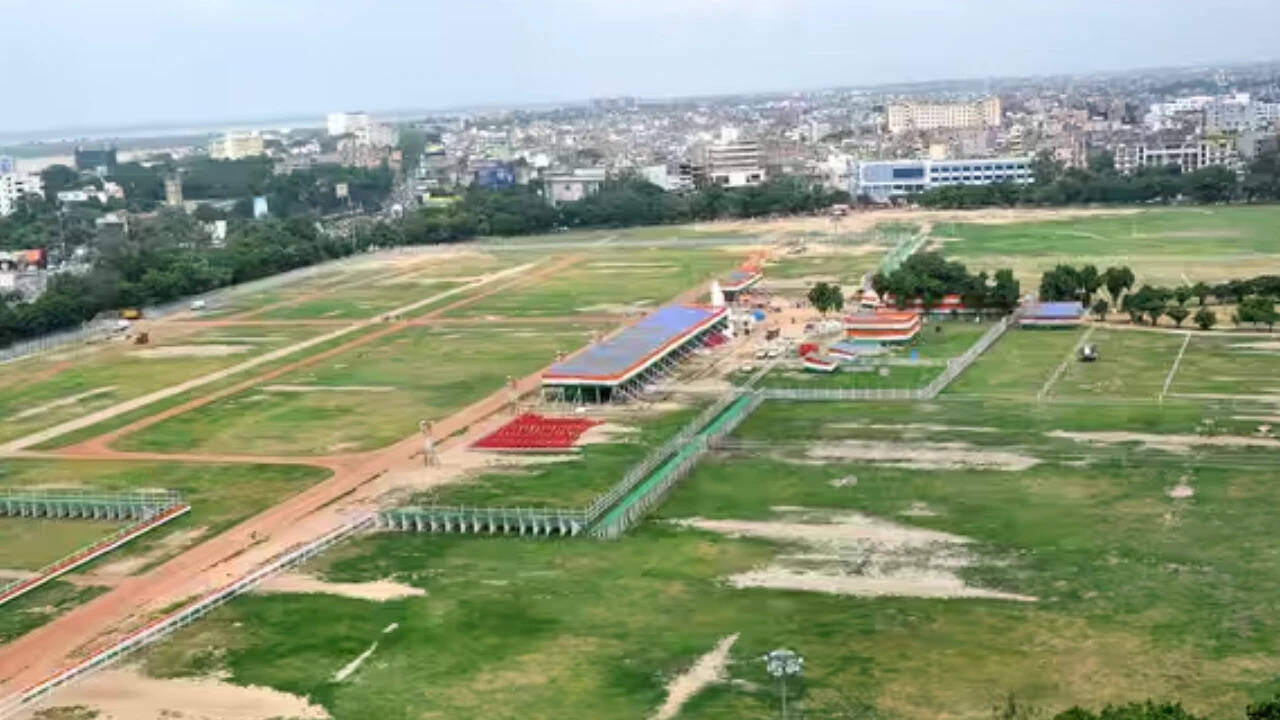
Gandhi Maidan hosts protests and national-level events and also serves as a dedicated parade ground (File photo)
It later became a key rally site during the freedom movement, including during the Champaran and Quit India movements, PTI reported.Muhammad Ali Jinnah hosted a key Muslim League session here in 1938, while Subhas Chandra Bose held a Forward Bloc meeting in 1939.After Independence, the ground became the launchpad for the JP movement when Jayaprakash Narayan called for ‘Total Revolution’ against the Emergency.
Tilak Ghat, Chennai
Named after Bal Gangadhar Tilak and located on Marina Beach, Tilak Ghat was a key protest site during the freedom struggle.It hosted several prominent leaders, including Mahatma Gandhi, Subhas Chandra Bose and Annie Besant. However, it is no longer a designated protest site.
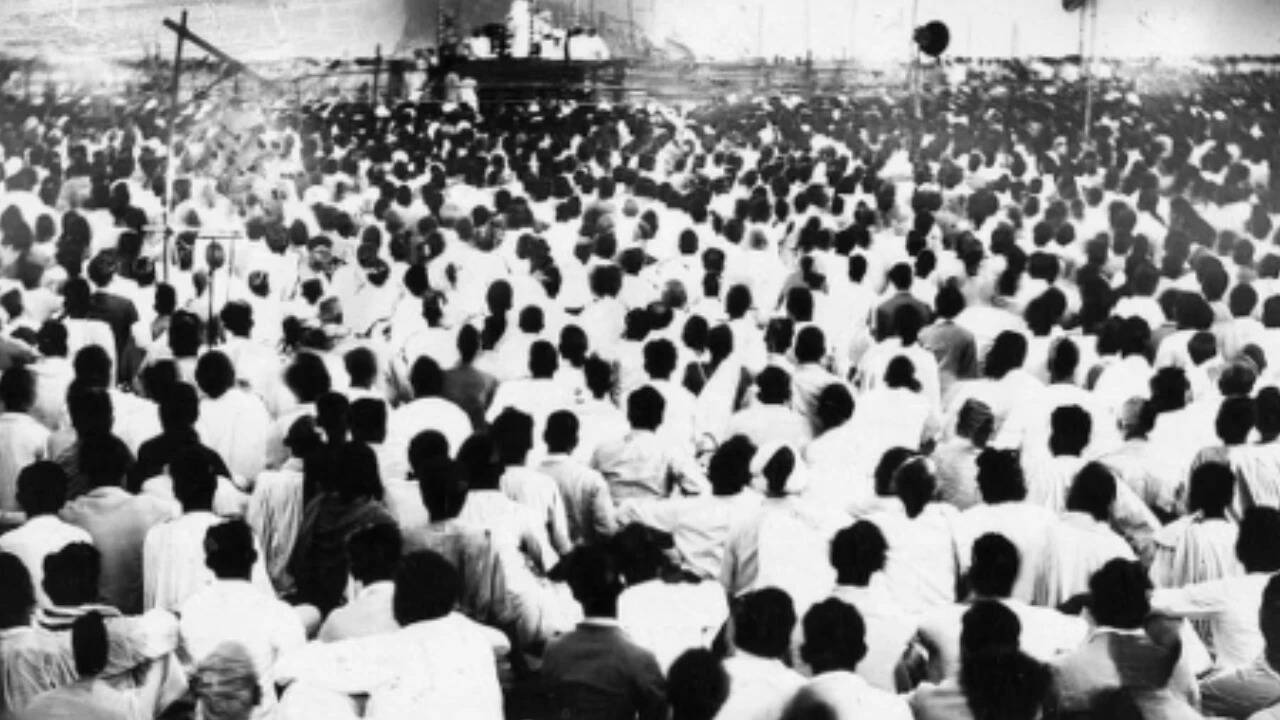
Mahatma Gandhi’s speech at Tilak Ghat (Photo credit: Facebook/@Madras local history group)
Other protest sites in Chennai include Valluvar Kottam and Swami Sivananda Salai.In March 2025, police designated Swami Sivananda Salai as an alternative venue for protests after stopping permissions for demonstrations at Valluvar Kottam.
Boat Club, Delhi
Long before Jantar Mantar became known as a protest site rather than an observatory, the expansive Boat Club lawns, a few kilometres away near Parliament and Rashtrapati Bhavan, served as the primary venue for rallies, demonstrations and agitations.The 1988 farmers’ agitation led by Mahendra Singh Tikait, who brought a crowd of more than five lakh people along with tractors and cattle, prompted a clampdown on protests at Boat Club.
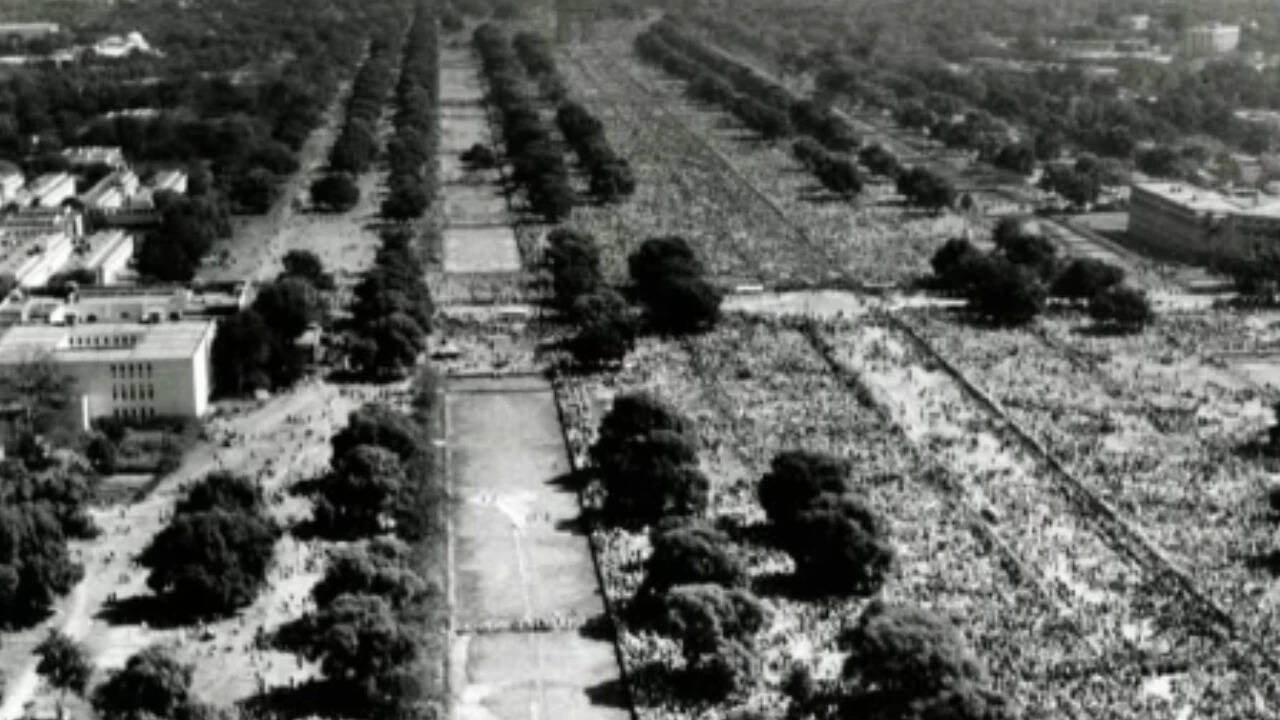
Kisan Rally organized at Delhi’s Boat Club lawns in 1981 (Photo credit: Social Media)
In 1993, protests were banned at the site following the Babri Masjid demolition.A court order in 2018 briefly allowed it to serve as a protest venue again, alongside Jantar Mantar, PTI reported.Not far from these two Lutyens’ Delhi sites, Ramlila Ground remains a designated protest venue, though at a cost.Syama Prasad Mookerjee launched a satyagraha at Ramlila Ground in 1952, demanding the complete integration of Jammu and Kashmir into the Indian Union.Socialist leader Jayaprakash Narayan addressed a massive rally here on June 25, 1975, the day the Emergency was declared. The ground was also the site of the 2011 anti-corruption movement.Other cities too have designated protest sites.Lucknow has Eco Garden, Panaji has Azad Maidan and Campal Parade Ground, Hyderabad has Dharna Chowk, Gun Park and Livery Circle, while Jaipur has Shaheed Smarak.(With agency inputs)