






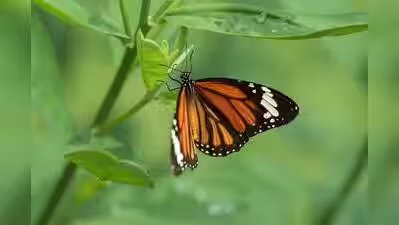
Kolkata: Nearly 200 students and volunteers in West Bengal participated in this year’s Big Butterfly Month initiative of WWF-India, aimed at encouraging young people to document butterfly diversity and contribute to citizen science.Butterflies are important indicators of ecosystem health, serving as pollinators and links in food webs. Changes in their abundance and distribution can offer insights into wider environmental changes, including those caused by pollution, habitat degradation and climate change. Regular documentation of butterfly species is, therefore, important for understanding changes in biodiversity.WWF-India has been running its Big Butterfly Month initiative for nearly a decade, working with partner organisations and conservation groups across the country to encourage people to observe, photograph and document butterflies in their natural habitats. The programme combines awareness-building with field-based learning and citizen-science activities, enabling participants to contribute to biodiversity research.In West Bengal, WWF-India’s West Bengal State Office (WBSO) engaged 195 students and volunteers through four field activities this year. These included a session at Eco Park in collaboration with Nature Mates Nature Club, two activities at Elliot Park involving WWF volunteers and students of Ashok Hall Girls’ High School, and a programme at St Agnes Convent School in Howrah.The initiative seeks to develop young participants into future biodiversity observers and communicators, rather than limiting their involvement to organised field sessions. After receiving field experience, volunteers can take butterfly documentation activities to their own localities, involving schools, communities and nature groups in observing and recording local butterfly diversity.Citizen-science programmes can generate valuable biodiversity data across different locations and seasons. When systematically recorded and validated, these observations can help researchers understand species distribution, seasonal patterns and changes in butterfly communities.By engaging students and volunteers in direct observation, WWF-India aims to build a wider network of young citizens who can contribute to biodiversity documentation while developing a better understanding of the ecological changes taking place around them.