









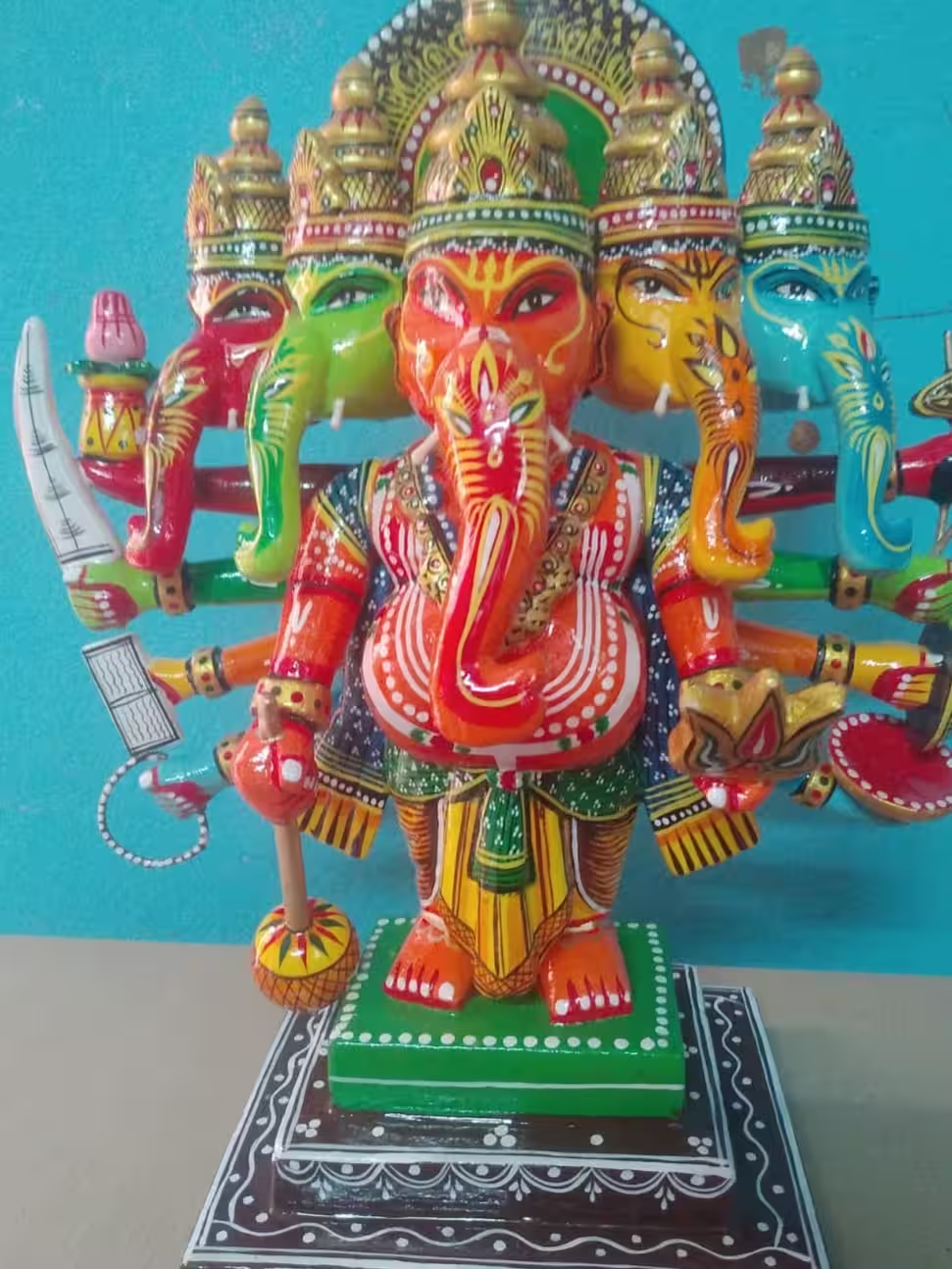
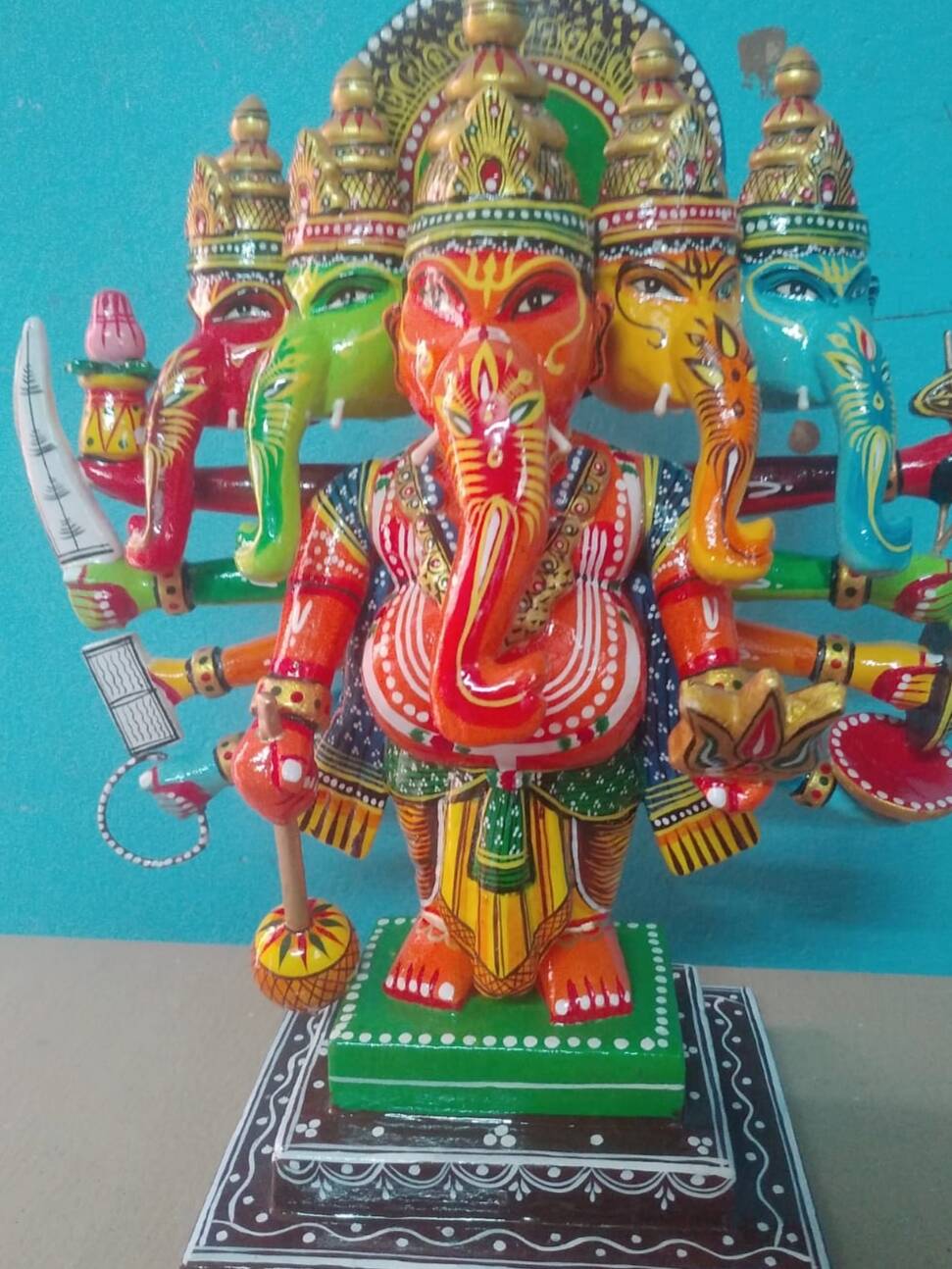
Varanasi: From the looms of Banaras to the digital marketplace, traditional craftsmanship is getting a technology boost. IIT-Madras has launched an “Artisan Empowerment Lab” to digitally empower artisans from Varanasi and expand the reach of India’s traditional crafts using advanced technology.The lab is expected to act as a bridge between traditional craftsmanship and modern digital systems. Through AI and blockchain, the project will document artisan identities, verify product origins and support the creation of a more trustworthy marketplace for heritage crafts.The initiative has been developed in partnership with the Varanasi-based Human Welfare Association (HWA). It will use artificial intelligence and blockchain technology to create a digital registry of artisans and their products. The platform is aimed at improving product authenticity, increasing visibility for craftspeople and helping artisans connect more directly with buyers.IIT Madras and HWA signed an MoU on Aug 25 to launch the lab. Padma Shri awardee Rajani Kant, known as the “GI Man of India,” signed the agreement on behalf of HWA, along with Prof Manu Santhanam, dean of Industrial Consultancy and Sponsored Research at IIT-Madras, in the presence of its director Prof Veezhinathan Kamakoti.The project will begin with a pilot covering five Geographical Indication-tagged craft categories from the Varanasi region. It aims to work directly with artisans in the coming months.A key feature of the initiative is the use of QR codes on authentic GI products sold in the market. Customers will be able to scan the code to verify whether a product is genuine. The scan will also provide details about the artisan who made the item, helping build transparency and trust between buyers and craftspeople.In the first phase, the project will include traditional crafts such as Banaras Brocade and Sarees, Varanasi Soft Stone Jali work, Banaras Gulabi Meenakari, Varanasi Wooden Lacquerware and Toys, and Banaras Metal Repousse Craft.Gulabi Meenakari, known for its intricate enamel work, and Varanasi’s wooden toys are among the region’s recognised craft traditions. By digitally registering artisans and linking products to verified makers, the initiative aims to protect genuine craft practices from imitation and unfair competition.Prof Kamakoti said India’s traditional arts and crafts carry strong cultural and economic value. He said many handmade products have the potential to gain greater recognition in domestic and international markets if supported with technology, better design, quality standards, branding and improved market access.He said the Artisan Empowerment Lab would help artisans increase their income while preserving India’s heritage. He also expressed confidence that the technology-led model would reduce the role of middlemen in the craft supply chain, allowing artisans to reach customers more directly and receive fair value for their skills and labour.Kant said the project would begin from Varanasi, one of the oldest living cities and an emerging hub of GI products. He said the initiative would support the Atmanirbhar Bharat, Local to Global, Viksit Bharat and Ek Bharat Shreshtha Bharat campaigns. “Millions of artisans, weavers, farmers and women will benefit in the long run after this project is expanded at the national level,” he said.