






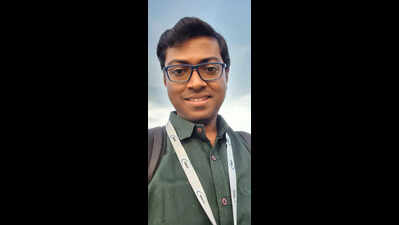
Lucknow: The Sanjay Gandhi Postgraduate Institute of Medical Sciences (SGPGI) has successfully performed Uttar Pradesh’s first haploidentical haematopoietic stem cell transplantation (HSCT) for a child suffering from Autoimmune Lymphoproliferative Syndrome (ALPS), a rare and potentially life-threatening genetic disorder.While exact prevalence numbers are unknown, it has been described in roughly 500 patients from over 300 families worldwide.An official spokesperson said that the complex procedure, considered among the first of its kind in the country, was carried out on an 8-year-old boy. SGPGI used funding support under the National Policy for Rare Diseases (NPRD) to facilitate the life-saving treatment.“The disorder severely disrupts the immune system, causing chronic anaemia, recurrent infections, bleeding risks, painful ulcers, skin lesions, enlarged organs and increased susceptibility to cancers such as lymphoma,” said head of medical genetics department, Prof Kaushik Mandal.“The child suffered for years from debilitating symptoms, repeated hospitalisations and steroid dependence before being referred to SGPGI, where specialists in medical genetics confirmed the diagnosis,” he added.The transplant was led by Dr Sayan Sinha Roy from the department of haematology, who implemented a cost-effective transplant protocol. Dr Chandrachud Potdar, Dr Manoj Kumar Singh and Dr Khaliqur Rahman were the other team members.“What added to the challenge was that the donor — boy’s father in this case — could not give a perfect match. This made the procedure risky but with family’s faith in us and support from a multidisciplinary team, we were able to bring relief to the patient,” said head of clinical haematology and stem cell research centre, Prof Rajesh Kashyap.Dr Sayan Sinha said that the procedure offers a potential permanent cure for ALPS, which carries high mortality and long-term cancer risks. “The treatment was low-cost. The entire expenditure across six months was about Rs 15 lakh, which may cost at least Rs 40 lakh in the private sector,” he said.Director, Prof Radha Krishan Dhiman, described the success as a landmark achievement for both Uttar Pradesh and India’s rare disease treatment ecosystem.The case has also received international recognition, with the European Society for Blood and Marrow Transplantation selecting the work as a best oral abstract for presentation at its upcoming conference.