





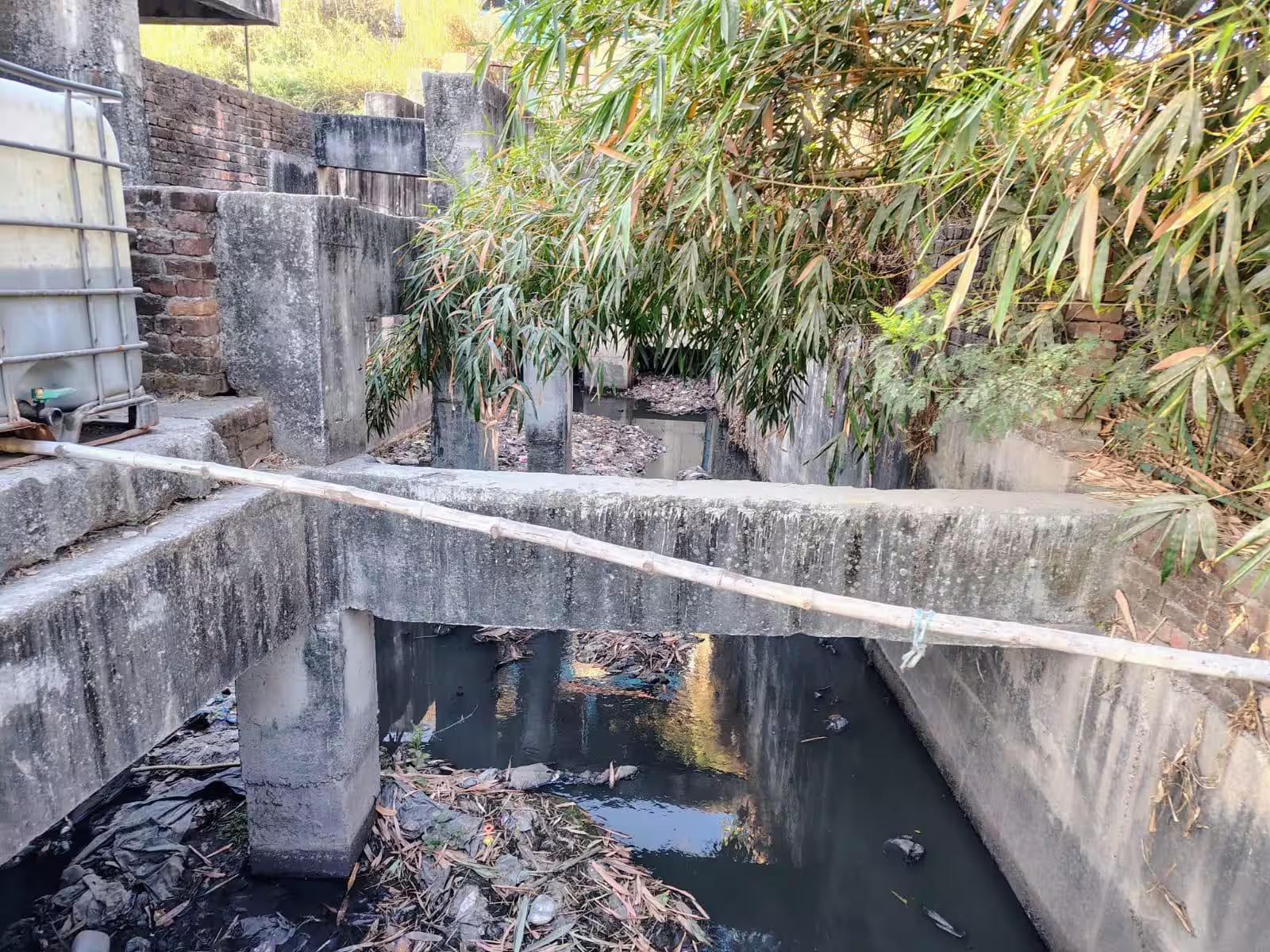
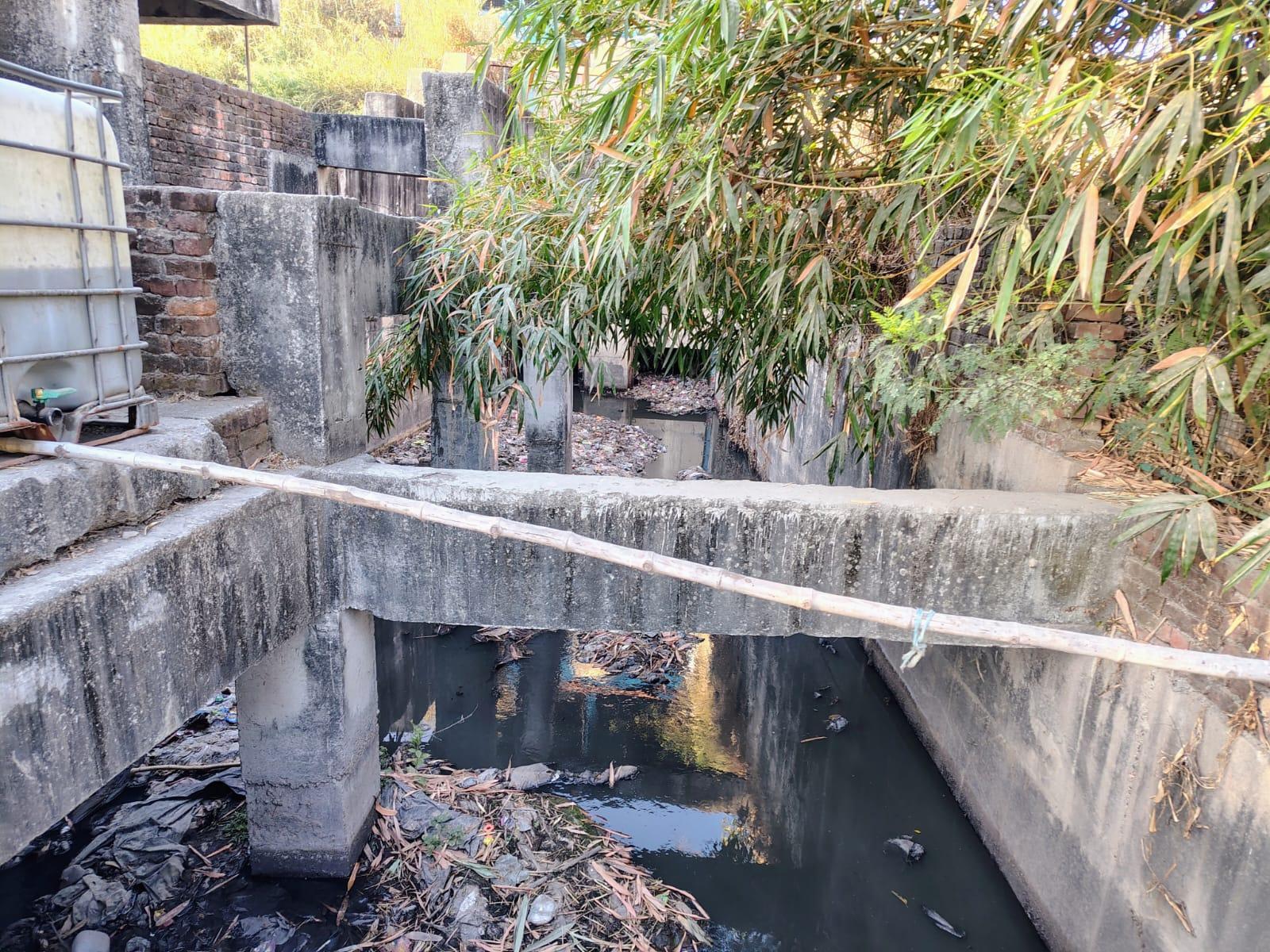
Lucknow: It could take nearly two more decades for Lucknow to stop untreated sewage from entering Gomti and its tributaries. The city’s sewage treatment plan targets 2044 for achieving the goal.According to a planning document prepared by Jal Nigam Rural, the nodal agency for Gomti clean-up, the city’s sewage treatment capacity is set to rise from the existing 629.5 MLD to 1,263 MLD once all under-construction, approved and proposed sewage treatment plants (STPs) become operational. Officials say this will be sufficient to meet the city’s sewage treatment needs until 2044.The challenge remains substantial. Of the city’s 7.52 lakh households, only 4.01 lakh (53.32%) are connected to the sewer network, leaving nearly 47% outside the system.The city discharges 880.70 MLD of sewage and wastewater daily. Of this, nearly 78% flows through drains, while only about 22% moves through the sewer network.Gomti, which flows nearly 30 km through Lucknow, remains the biggest concern. Officials have identified 45 drains discharging into the river. A recent drone survey found 12 additional drains, taking the number from 33 to 45. Of these, 14 are untapped, while several others are either partially tapped or have non-functional interception and diversion systems.To reduce pollution, govt is diverting sewage from drains to STPs. A 39 MLD STP under Namami Gange programme is already complete, while projects linked to Barikala and Loniapurwa STPs are scheduled for completion in 2026 and 2027.The larger Gomti rejuvenation plan includes new treatment facilities at Basant Kunj, Gijamau, Vashiganj and Nilmatha, besides upgrades to existing STPs and connected drains. The project report was submitted to National Mission for Clean Ganga (NMCG) on May 6.The plan also covers Sai river, where an untapped drain discharges 59.88 MLD. A 100 MLD STP at Bijnaur is under construction to treat this flow.Besides treatment, the plan focuses on reusing treated water for industrial use, gardening, cleaning and airport operations.“While treatment capacity is increasing, nearly half of the city’s households are still outside the sewer network and several drains continue to discharge into the Gomti. Eliminating untreated sewage from rivers will take time,” said S P Saroj, executive engineer, Jal Nigam Rural.