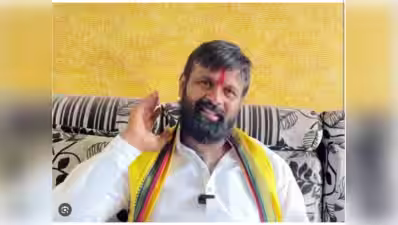











Pune: The court of judicial magistrate first class Amol Shriram Shinde on Friday rejected an intervention application filed by professor Pankaj K Phadnis seeking to join the criminal defamation proceedings against Leader of Opposition in the Lok Sabha Rahul Gandhi in connection with alleged defamatory remarks about Vinayak Damodar Savarkar, holding that Phadnis had “no locus standi to participate in the case”.The court also observed that complainant Satyaki Savarkar’s cross-examination was already underway by Gandhi’s lawyer Milind Pawar and that Phadnis had consumed “more and precious time” of the court. It therefore rejected the intervention application and imposed Rs20k as costs, directing that the amount be deposited with the District Legal Services Authority, Pune, on or before the next date.In July, Phadnis, through advocate Vinod Satpute, had sought permission to intervene in the proceedings, contending that he had conducted extensive research on Savarkar’s life and work and possessed relevant knowledge and documentary material which could assist the court. He also claimed that he had spent about 13 years as a neighbour of Savarkar’s son.In his application, Phadnis had also raised questions concerning Satyaki Savarkar’s claimed lineage and referred to matters concerning his family background. He contended that relevant facts should be placed before the court and sought permission to participate in the proceedings.Both the complainant and Gandhi opposed the application.Rejecting the plea, the court held that the intervenor had no legal right to participate in the proceedings and was not an aggrieved person as defined under Section 199 of the CrPC. The court noted that Phadnis had not stated which of his rights had been violated and held that he had no locus standi to make the application.The court further noted that Phadnis was not a relative or near relative of Savarkar. Referring to Explanations 1 and 2 to Section 499 of the IPC, the court observed that in a case involving alleged defamation of a deceased person, the person claiming to be aggrieved must have the requisite personal interest, including being a family member or near relative.