







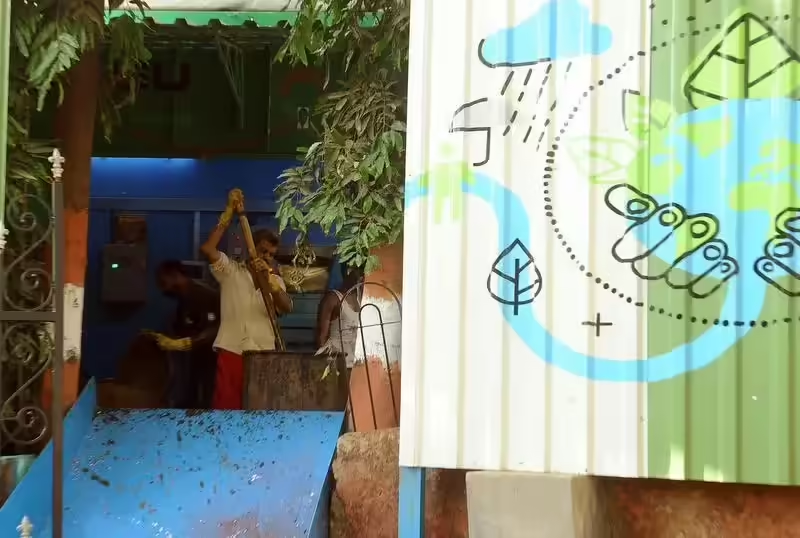
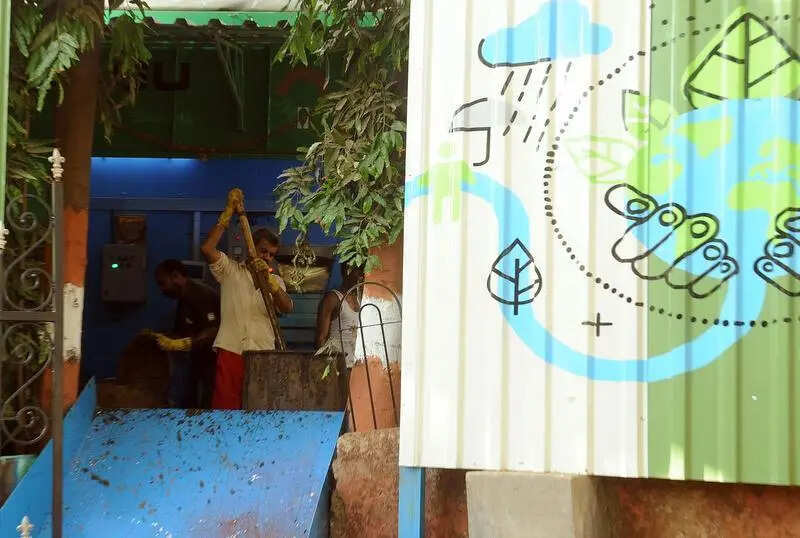
Mumbai: The state cabinet on Wednesday approved the Maharashtra State Compressed Biogas (CBG) Policy, 2026. Officials said a coordination committee will be established in every district; biogas projects will be implemented on a PPP (public-private partnership) and hybrid annuity basis. A budgetary provision of Rs 500 crore has been made for the current year. This initiative will facilitate eco-friendly solid waste management and reduce greenhouse gas emissions.“It was also approved to set up a project using the necessary technology to make usable gas available as per the requirements of compressed biogas. A steering committee will be formed under the chairmanship of the chief secretary for the implementation of the policy. The project will be implemented on PPP and hybrid annuity basis. This policy creates employment and wealth by converting waste into energy and fertiliser,” officials said.“The policy aims to empower local bodies to segregate, collect, process and convert waste into clean energy in the urban areas of the state. The policy will promote the production of compressed biogas and integration of solid waste management systems. This will reduce the burden on land used for solid waste disposal, improve public health and improve air quality by reducing greenhouse gas emissions. The main objective of the policy is to promote compressed biogas projects on municipal waste and agricultural waste sources to boost the rural economy, reduce land degradation, air pollution, and reduce energy consumption. This policy will reduce energy and import. By reducing dependence on fossil fuels, carbon emissions will be reduced, and clean fuel options will be available for transport, industrial and domestic sectors,” officials said.“Sustainable waste management — open burning of municipal organic solid waste, farm residues, livestock waste, other biodegradable waste will be stopped and pollution will be reduced. Circular economy — creation of infrastructure for collection, storage, transportation of organic waste. Supply of raw materials for CBG projects. Farmers will be able to earn supplementary income by producing energy and organic fertiliser from waste. Investment and employment — investment will increase through public-private partnerships. Employment will be created in rural and urban areas.”A minimum capacity of 200 tonnes per day has been set for CBG projects. These projects can be implemented in greenfield or brownfield format by local govts, public sector companies and enterprises, private developers and oil and gas distribution companies. In places where sufficient waste is not available, provision has been made for cluster-based projects, as well as for setting up projects by integrating agricultural waste components with the help of agricultural producer organisations,” officials said.