








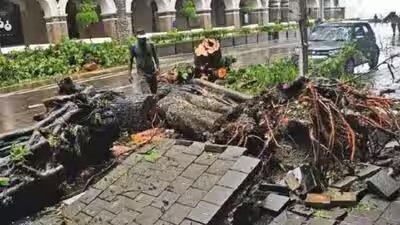
Mumbai: At least 720 people were killed and 2,408 injured in multiple disaster incidents in Mumbai between January 2020 and September 2026, information obtained under the Right to Information (RTI) Act from the BMC’s Disaster Management Department has revealed.Building collapses, fires and short circuits, and drowning incidents accounted for a significant share of the fatalities, according to the data provided to RTI activist Shakeel Ahmed Shaikh.Collapses of houses, walls and portions of buildings killed 179 people and injured 864, while fires and short circuits claimed 168 lives and left 1,048 people injured. Meanwhile, 195 people died and 44 were injured in drowning-related incidents or by falling into wells.The figures also show that 56 people died and 77 were injured after falling into manholes or drains. Electric shocks claimed 40 lives and injured 57 people, while landslides killed 39 and injured 33.Recently, on Aug 13, at Ashok Nagar in Ghatkopar area, a landslide killed eight and injured seven.Falling trees and branches resulted in 22 deaths and 306 injuries during the period.The information was provided by Sunil Jadhav, public information officer and assistant engineer in the department, in response to Shaikh’s RTI application seeking details of emergency accidents, deaths and injuries between 2020 and 2026.Shaikh said 328 people died after falling into water bodies, drains, rivers, wells, creeks, quarries and manholes. The data show that the figure included 237 men and 91 women.The data have brought into focus the risks posed by dilapidated buildings, fire hazards and dangerous public spaces, including manholes and drains. Mumbai’s exposure to heavy rainfall and landslides also makes safety measures at vulnerable locations crucial.Seeking preventive measures, Shaikh has written to the municipal commissioner and the chief fire officer, calling for regular inspections of hazardous locations, safety measures around open manholes and drains, building safety checks and improvements to emergency response systems.“While emergency services play a critical role in responding to accidents, the figures raise questions about the adequacy of preventive measures to protect residents from avoidable hazards,” said Shaikh.