







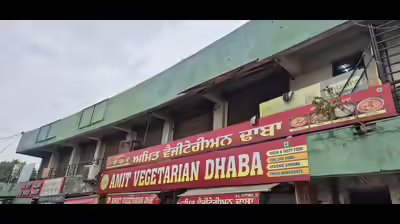
Ludhiana: Nearly two decades after its redevelopment, the first floor of the Ludhiana inter-state bus terminal (ISBT) shopping complex remains largely vacant, causing a recurring loss of govt revenue and the underutilistion of prime commercial space. Out of the complex’s total 60 units, most of the 27 shops on the first floor have remained unoccupied for years despite repeated leasing attempts.While the ground floor experiences active footfall with functional dhabas, eateries, and a mobile shop, the first floor presents a contrasting picture of neglect. Most shutters remain permanently closed, with only a handful of units being used as storage space by ground-floor occupants.Local shopkeepers state that the upper commercial area never developed as expected due to narrow corridors and negligible customer footfall. Long-term lack of maintenance has further deteriorated the vacant units, discouraging prospective tenants.“The first floor does not attract customers. People generally stay on the ground floor. After years of neglect, many shops have deteriorated and there is little incentive for anyone to take them on rent even as office space,” said a shopkeeper requesting anonymity.Officials stated that the monthly rent for a first-floor shop is fixed around ₹5,000. Built in the mid-2000s as part of the bus stand’s modernistion project, the commercial block’s high vacancy rates continue to hit govt earnings while giving the terminal a derelict appearance.To resolve the crisis, the state govt is now planning to hand over the terminal’s management to a private firm. Navraj Batish, Punbus general manager at the Ludhiana depot, confirmed that discussions are underway to implement a public-private partnership (PPP) model for the upkeep, maintenance, and commercial leasing of the terminal.According to Batish, while govt departments are legally bound by rigid procedures and fixed rental norms, a private operator under a PPP arrangement would have the flexibility to adjust rental rates based on market conditions. Officials believe this operational flexibility will finally attract tenants, revive the first-floor block, and improve the terminal’s overall condition.
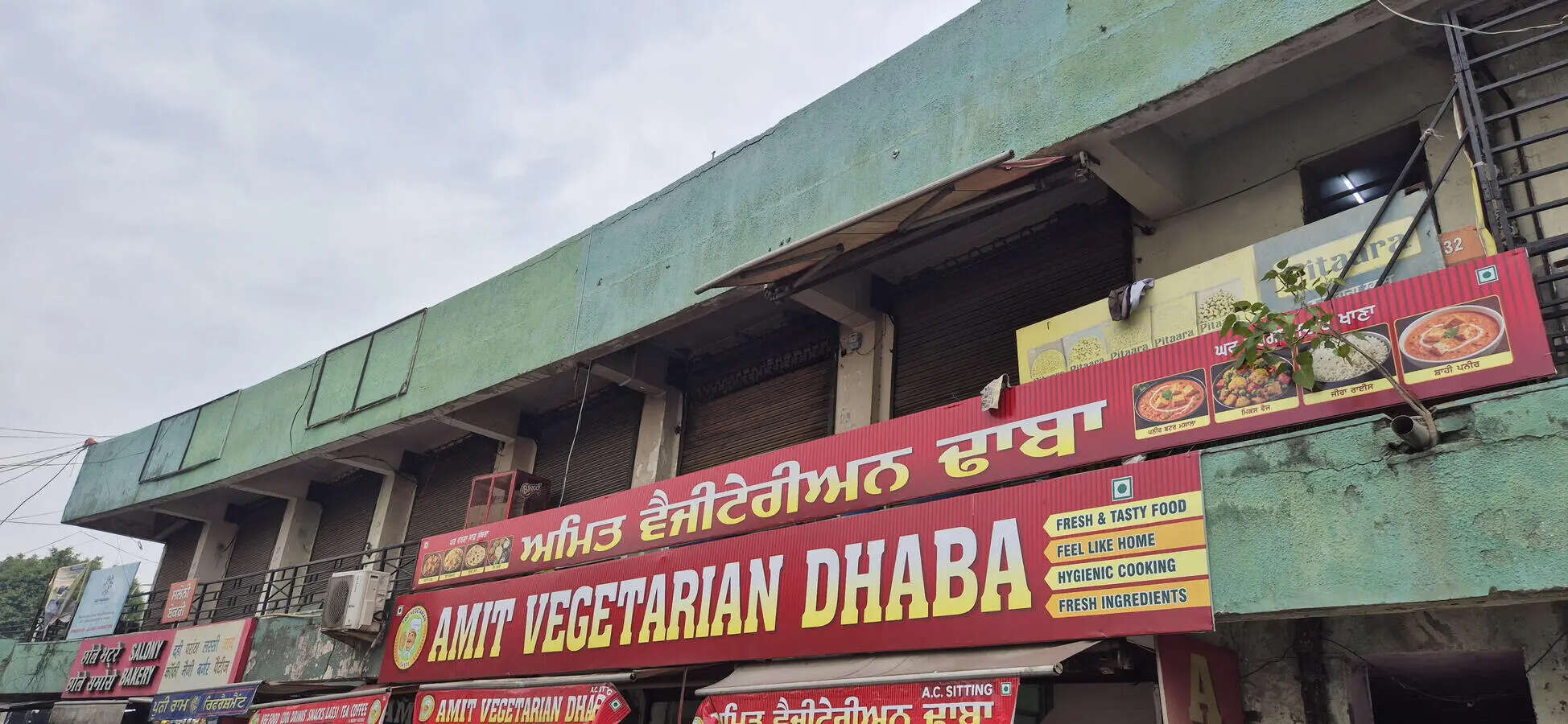
While the ground floor experiences active footfall with functional dhabas, eateries, and a mobile shop, the first floor presents a contrasting picture of neglect.