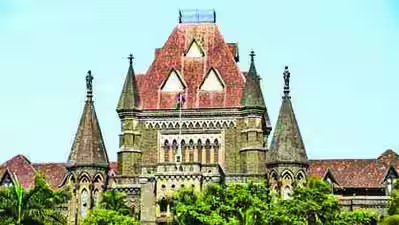







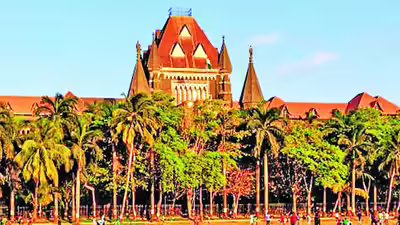
Swati.DeshpandeMumbai: In a significant ruling, the Bombay high court recently held that a divorced wife cannot seek enhancement of her maintenance amount that was decreed before her husband’s death. But the ex-wife can continue to recover her maintenance for her lifetime and also arrears of maintenance from his assets, even after the husband passes, HC Justices Bharati Dangre and Manjusha Deshpande held.A woman from Malabar Hill had filed an appeal in 2023 against a family court order denying enhancement of the maintenance sum after her husband died in 2012.The wife’s right to maintenance is a “a right personal to her” and cannot be alienated. Her claim of maintenance is an entitlement that holds good during her lifetime and extinguishes on her death, said Justice Dangre, who authored the judgment. Thus the wife can recover maintenance already directed and quantified, through the assets or estate of the dead husband.The maintenance claim cannot be passed on or transferred on the wife’s death, the HC clarified. The judgment was available on Tuesday.The HC, agreeing with advocate Pradip Chavan, said consequences of allowing enhancement against late husband would result in absurdity, uncertainty and would open the floodgate of litigation. It would defeat principles of finality in succession law, the bench added.The wife’s appeal raised specific questions of law. In Jan 2026, the HC framed these questions as one, whether a divorce decree that provides for monthly maintenance could be enforced against the estate of the late husband by the divorced wife. The answer, the HC said, was yes, it can. The second, more important one, was if the “right to seek enhancement of permanent maintenance can be enforced against the estate of the late husband.” The HC said, no, it can’t.The couple married under the Special Marriage Act in 1974 and were estranged in 1977. In 1980, the husband filed for divorce, before the city civil court — before the Bandra family court was established, while the wife filed for maintenance. Her plea was dismissed, and his was granted. In the divorce decree the husband was directed to pay his divorced wife a monthly Rs 6,000 as maintenance. Both appealed. He challenged the maintenance part. The HC dismissed both appeals in 2005. In 2012, the husband died. They had no children, and he never remarried, nor prepared a will. She did not remarry either.His brother filed a petition and in 2014 got rights to his estate. She, as ex-wife, had filed for enhancement of maintenance before the Bandra family court and also for arrears to be recovered from the late ex-husband’s estate. In Feb 2023, the family court rejected her enhanced maintenance bid, saying she had “considerable resources of her own” but permitted recovery of arrears “through the estate of her husband during her lifetime.”The HC appointed Deepa Chavan to assist with the legal issues. The late ex-husband’s lawyer Pradip Chavan said arrears of maintenance can be paid through the estate but opposed the enhancement plea.The HC quoted famed legal scholar Roscoe Pound’s 1922 ‘philosophy of law’, stating that a claim of a dependent spouse is under ‘individual interests of personality.’ The HC said, “The husband, during his lifetime is obliged to maintain his wife, irrespective of the possession of any property. On his death, that obligation fastens to his property in the hands of an heir or legal representative.”After analysing the Special Marriage Act, the HC said that for any enhancement or modification, cancellation of maintenance, both—husband and wife—must be alive. Wife cannot seek enhancement of maintenance sum against heirs of a late husband or ex-husband, the HC said. The right to seek maintenance is also a personal right and cannot be entertained by court against legal heirs of the husband.A wife seeking enhanced maintenance is essentially seeking fresh rights, requiring fresh hearing and fresh decision-making. She is not enforcing her existing maintenance already quantified, the HC explained.