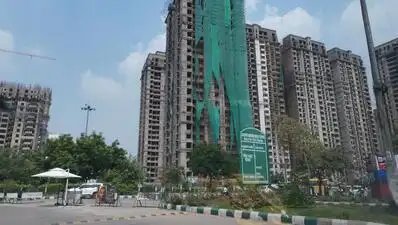








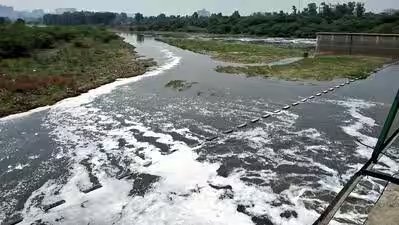
Ghaziabad: The National Green Tribunal has directed Uttar Pradesh Pollution Control Board to disclose the names and full particulars of officers against whom complaints have been filed over violations linked to Hindon pollution.The direction came after UPPCB filed an affidavit on Aug 14 before the tribunal stating that complaints had been lodged against erring officers before the special judicial magistrate (first class) under sections 41, 43 and 44 of the Water (Prevention and Control of Pollution) Act, 1974.The principal bench, comprising NGT chairperson Justice Prakash Shrivastava and expert member Afroz Ahmad, found the affidavit inadequate. “This affidavit does not disclose the name of the officers against whom such complaints have been filed. Hence, UPPCB is directed to file a fresh affidavit disclosing the names and full particulars of the officers against whom those complaints have been filed and the status of those complaints,” the bench said on Aug 17. The directions were issued while hearing a petition filed by environmentalist Abhisht Kusum Gupta.The UPPCB affidavit was filed after the UP chief secretary informed the tribunal there was a gap between sewage generation and treatment. In Ghaziabad, the affidavit said about 258 unauthorised colonies, home to an estimated 2.6 lakh people, generate nearly 31.5 million litres of sewage a day. Much of it enters Hindon through untapped drains, it said.Beyond Ghaziabad, the affidavit said Saharanpur has six unauthorised colonies with an estimated population of 2,000 generating 0.22 million litres of sewage daily. Baghpat has 180 unplanned colonies generating four to five million litres. Muzaffarnagar has 31 unauthorised colonies with an estimated population of 14,694 generating 1.76 million litres daily. In each case, the absence of sewer connections meant wastewater flowed untreated into Hindon.Gupta, who first filed the petition in 2022 over untreated effluent discharge into the river, said the chief secretary’s admission of a treatment gap was significant but insufficient. “There has to be a timeline to bridge the gap. Furthermore, the officials against whom UPPCB has lodged complaints should be taken to task,” he said.A GMC official told TOI the city had a sewage network of 2,488 km, with around 3.5 lakh residents connected to the sewer network. Under the Ghaziabad Sewerage Scheme in Karheda zone, projects worth Rs 546 crore under AMRUT 2.0 were 82% complete. “As for unauthorised colonies with no sewer connection, GMC’s focus is to connect them to the main sewer line so that wastewater is treated before being released into the river,” the official said.