








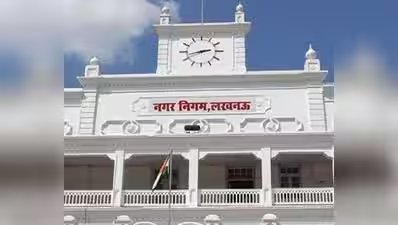
Lucknow: The state capital recorded a 47% fall in annual average PM10 concentration over the past eight years, helping it secure the top rank among Indian cities with populations above 10 lakh in Swachh Vayu Sarvekshan 2026.The city scored 198 out of 200 points under the National Clean Air Programme (NCAP). Survey data showed annual average PM10 levels dropped from 253 micrograms per cubic metre in 2017-18 to 135 micrograms per cubic metre in 2025-26, a reduction of 46.64%.The trendline reflected both fluctuations and sustained improvement. PM10 fell to 210 in 2018-19, rose to 216 in 2019-20, and eased to 209 in 2020-21. A sharper decline followed in 2021-22, when levels dropped to 148, staying nearly flat at 149 in 2022-23. Concentrations then reduced further to 137 in 2023-24. A minor uptick to 142 was recorded in 2024-25 before the level fell again to 135 in 2025-26.Officials credited the gains to targeted interventions under Lucknow’s NCAP city action plan, approved by the Central Pollution Control Board in 2019. Measures focused on curbing vehicular emissions, road dust, waste burning, industrial pollution and construction-related dust.The Lucknow Municipal Corporation (LMC) expanded urban greening, planting 95,000 trees in 2019, developing four Miyawaki forests, revamping three major traffic junctions and creating green corridors along key stretches, including the Gomti riverfront corridor.A parallel push on solid-waste management was highlighted as a key driver. Door-to-door waste collection and segregation coverage nearly doubled from 3.86 lakh households and establishments in Sept 2023 to 7.01 lakh by March 2025. By then, more than 1,000 vehicles were deployed for primary waste collection, with nearly 90% electric.To address dust pollution, mechanised road sweeping was expanded, electric sweepers were introduced, and 559.85 km of damaged roads were restored and black-topped. Waste-processing capacity was scaled up through expanded Material Recovery Facilities and transfer stations and a 2,550-tonne-per-day municipal solid waste processing plant. Construction and demolition waste processing capacity increased from 100 tonnes per day to 300 tonnes per day in 2025.Legacy waste remediation progressed at the Shivri site after work began in March 2023. Of 18.5 lakh metric tonnes identified for treatment, around 7 lakh metric tonnes had been processed by Nov 2024. A 4,000-tonne-per-day legacy-waste processing plant became operational in 2025, while the Ghaila dumping site was handed to LDA for development of the Rashtra Prerna Sthal. LMC added 250 electric and CNG vehicles in 2026 and established four green cremation centres with cleaner technologies.At the ward level, Ward 70 secured the top national rank among wards with populations above 30,000, scoring 195 points.Mayor Sushma Kharkwal credited residents, sanitation workers and civic teams for coordinated implementation, improved waste management and expanded green cover.LMC commissioner Gaurav Kumar said the city would further focus on scientific waste management, mechanised cleaning, electric mobility, greening initiatives and infrastructure upgrades.BoxDon’t rest on rankings, residents urge authoritiesNarendra Kumar Kashyap, a resident of the City Station area, said, “The clean-air ranking is certainly a positive sign and shows that the city has made progress in its efforts to tackle pollution. But a good ranking should not make us complacent. The real target should be to bring PM10 levels below 60 micrograms per cubic metre. For that, implementation on the ground needs to improve.“Several areas still do not have proper construction and demolition (C&D) waste-processing facilities, while pollution-control rules are not being enforced effectively. These gaps need to be addressed if the improvement is to be sustained.”Rani Awasthi, a resident of Barabanki Road, said, “The ranking gives residents a reason to feel encouraged, but the city’s air-pollution challenges are far from over. What matters now is whether the improvement reaches all parts of the city. Construction and demolition waste, road dust and other local sources of pollution need stricter monitoring.“Pollution-control measures should not remain limited to plans; they need to be implemented effectively and monitored regularly on the ground.”