








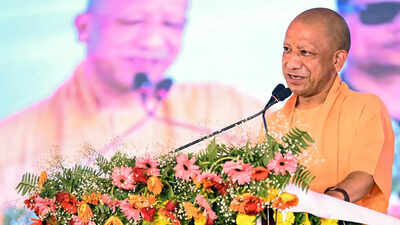
The Uttar Pradesh Sanskrit Scholarship Scheme, relaunched by Chief Minister Yogi Adityanath in October 2024, marks a significant effort to strengthen Sanskrit education across the state and encourage more students to pursue the ancient language. The scheme provides financial assistance to students studying Sanskrit from the primary level through postgraduate education, while removing several restrictions that had limited the reach of the earlier scholarship system.The revamped scheme seeks to position Sanskrit not merely as a language associated with India’s cultural and intellectual heritage, but also as a subject with relevance to contemporary education and emerging fields. The state government has emphasized the potential of Sanskrit’s structured linguistic framework in areas such as computer science, artificial intelligence and other modern disciplines.
Wider coverage and greater financial support
One of the most important changes under the revamped scholarship programme is the substantial expansion of its coverage. The earlier system had reportedly been constrained by a ceiling of around 300 beneficiaries across the state. The new scheme significantly broadens access, with 69,195 students covered at the time of its relaunch and Rs 5.86 crore disbursed initially.This expansion reflects the government’s objective of making Sanskrit education more accessible to students from different socio-economic backgrounds and providing them with financial encouragement to continue their studies.
DBT ensures transparency
A major feature of the scheme is the use of Direct Benefit Transfer (DBT). Instead of relying on intermediary channels, scholarship assistance is transferred directly into the eligible student’s bank account.The DBT mechanism is intended to make the delivery of scholarships faster, transparent and more accountable. It also reduces the possibility of delays or leakages and gives students direct access to the financial assistance provided by the government.
Removal of age restrictions
The revamped scholarship programme has also removed the age-related restrictions that existed under the earlier system. Students pursuing recognized Sanskrit courses can therefore benefit without being excluded merely because of their age.This change widens the scope of the programme and creates opportunities for students who may begin or resume Sanskrit education at different stages of their academic journey.
Supporting Sanskrit from school to university
The scholarship covers students pursuing Sanskrit education across a broad academic spectrum—from the primary and school levels to undergraduate and postgraduate programmes. Students enrolled in recognized Sanskrit educational institutions, colleges and universities in Uttar Pradesh can benefit from the initiative, subject to the applicable eligibility and verification requirements.By providing support across different stages of education, the scheme aims to create a continuous pathway for students interested in Sanskrit rather than limiting assistance to a particular academic level.
Revival of the Gurukul tradition
The scholarship initiative is part of a broader effort to strengthen Sanskrit education through the revival of the traditional Gurukul-style system. The state has proposed the establishment of residential Gurukuls where students can receive education in a traditional learning environment along with facilities such as accommodation and meals.The proposed institutions are intended to combine the strengths of traditional Sanskrit learning with contemporary educational requirements. Specialized instruction by Acharyas, along with modern academic exposure, can help create a more comprehensive learning ecosystem for students pursuing Sanskrit.
Eligibility and documentation
Students enrolled in recognized Sanskrit courses and institutions in Uttar Pradesh can apply for the scholarship under the applicable rules. The documentation generally includes Aadhaar details, bank account information, academic records, residence or domicile proof and photographs.A bank account in the student’s name is particularly important because the scholarship assistance is transferred through the DBT mechanism.
Application and verification process
The scholarship process is coordinated through recognized Sanskrit educational institutions. Students are required to provide the necessary information and documents through their institution or the designated scholarship mechanism.Following submission, the student’s academic status and supporting documents are verified by the concerned institution and the relevant authorities. Once the application is approved, the scholarship amount is transferred directly to the student’s bank account.Institutions such as Sampurnanand Sanskrit University, Varanasi, have an important role in supporting the state’s Sanskrit education ecosystem and facilitating the implementation of programmes aimed at Sanskrit students.
Connecting India’s linguistic heritage with the future
The renewed scholarship programme comes at a time when the government is seeking to strengthen interest in traditional Indian knowledge systems while connecting them with contemporary education. Financial assistance can help reduce the economic barriers faced by students and encourage families to continue their children’s education in Sanskrit.The initiative also reflects a broader attempt to change the perception of Sanskrit—from a language studied primarily for its historical and religious significance to one that can contribute to India’s intellectual, linguistic and technological traditions.By combining expanded scholarships, DBT-based financial assistance, removal of age restrictions and investment in residential Gurukul-style institutions, Uttar Pradesh is seeking to build a stronger and more accessible Sanskrit education ecosystem.The long-term objective is not simply to preserve Sanskrit as a cultural heritage language, but to create conditions in which students can study it, pursue higher education and explore its relevance to emerging areas of knowledge. In this way, the scholarship programme represents an effort to bridge India’s ancient linguistic heritage with the aspirations of a modern education system.