






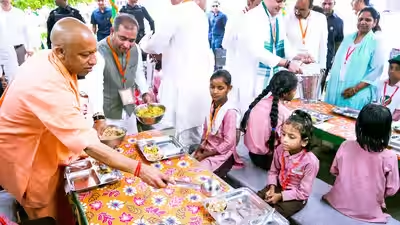
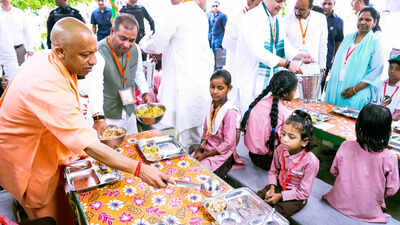
The Hot Cooked Meal Scheme launched by the Uttar Pradesh government in late 2023, provides freshly prepared, nutritious meals to children enrolled at Anganwadi centers across the state.ObjectiveDesigned along the lines of the PM POSHAN initiative, it aims to curb child malnutrition, stunting, wasting, and anemia while fostering better physical and cognitive development before formal schooling starts. It also serves as an incentive to improve daily attendance and retention among early learners. BeneficiariesThe primary beneficiaries are registered children aged three to six years, covering approximately 33 lakh children across nearly 1.89 lakh Anganwadi centers throughout Uttar Pradesh. Under this program, each child is allocated 70 grams of food grains per day.Financially, around Rs 4.50 per child per day is earmarked out of the regular supplementary nutrition budget to cover cooking and conversion costs. The weekly diet mirrors the standard PM POSHAN schedule, serving rotating items such as roti with dal or seasonal vegetables, rice and lentils, and vegetable tehri enriched with soybeans.LogisticsOperationally, the state leverages existing school infrastructure to manage cooking logistics. For about 1.45 lakh Anganwadi centres situated within primary schools or within a 200-meter radius, meals are prepared directly in the school kitchen by the existing school cook (rasoiya). The Anganwadi Helper is responsible for carrying the cooked meal to the centre and serving it to the children in clean utensils.For the remaining standalone centres, arrangements are handled through Gram Panchayats or Urban Local Bodies, which arrange dedicated cooking equipment or tie-ups with nearby centralized community kitchens.ChecksTo ensure food safety and quality, the scheme mandates a strict tasting protocol before serving. At least two adults—such as Anganwadi workers, primary school teachers, or members of the local Mothers’ Committee (Mata Samiti)—must taste and approve the food daily. Additionally, a sample of each day’s meal is sealed and preserved for 24 hours for safety checks and audits.The program works in tandem with health department initiatives, including routine deworming and regular growth monitoring updated on the central Poshan Tracker portal.