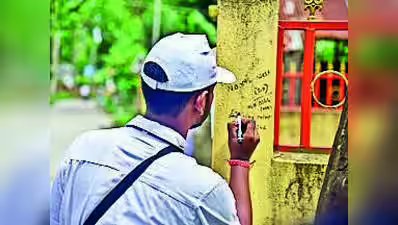










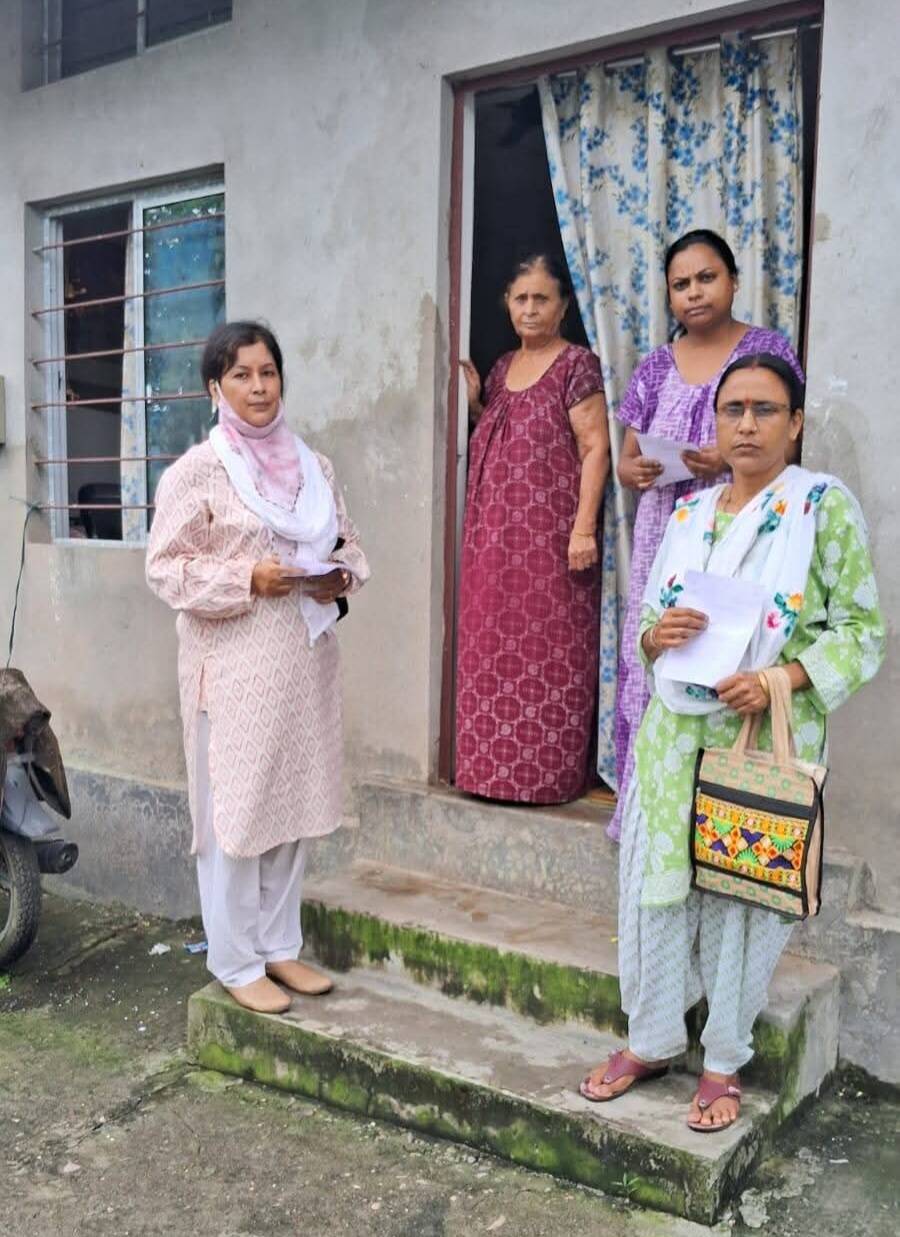
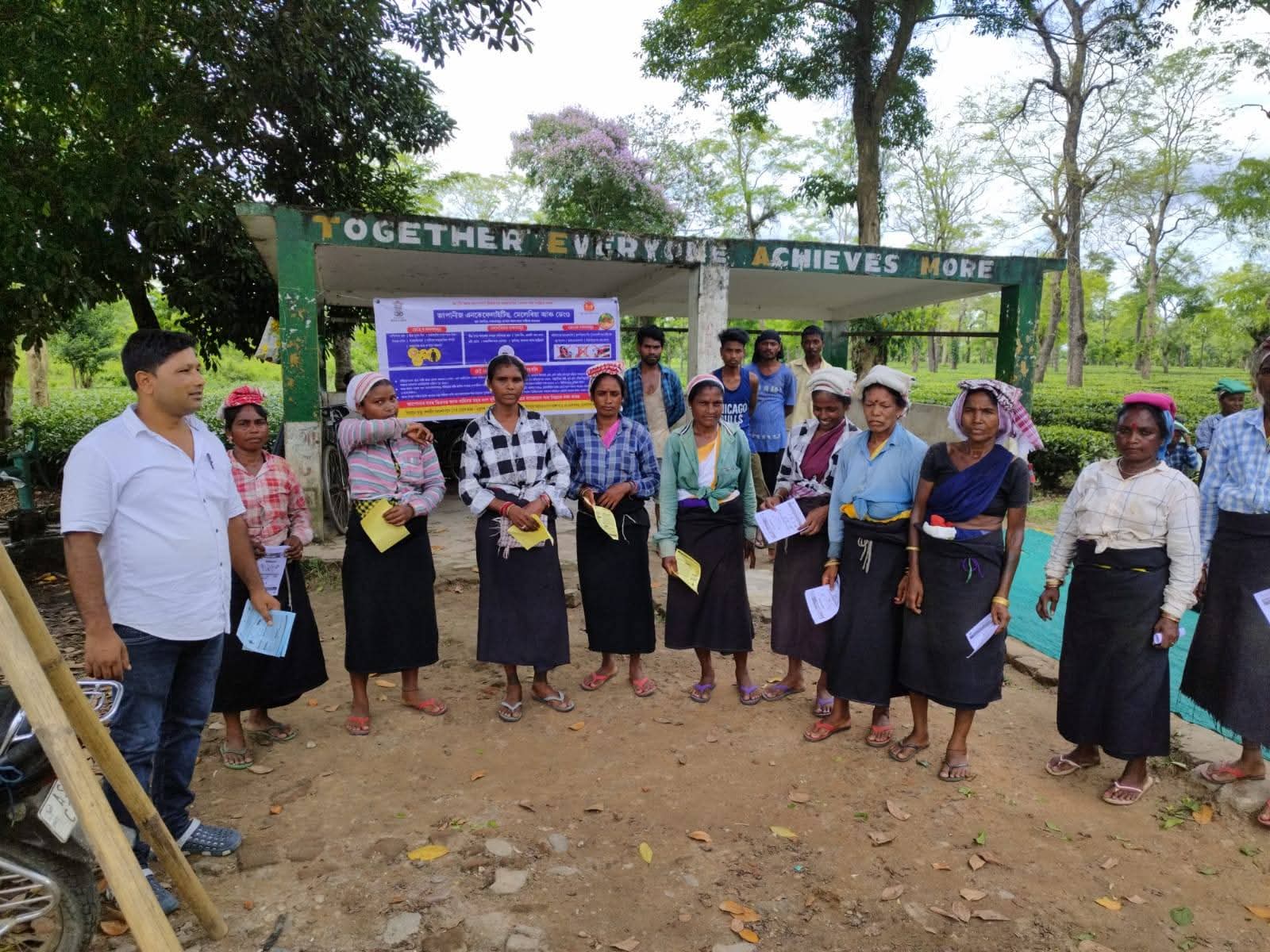
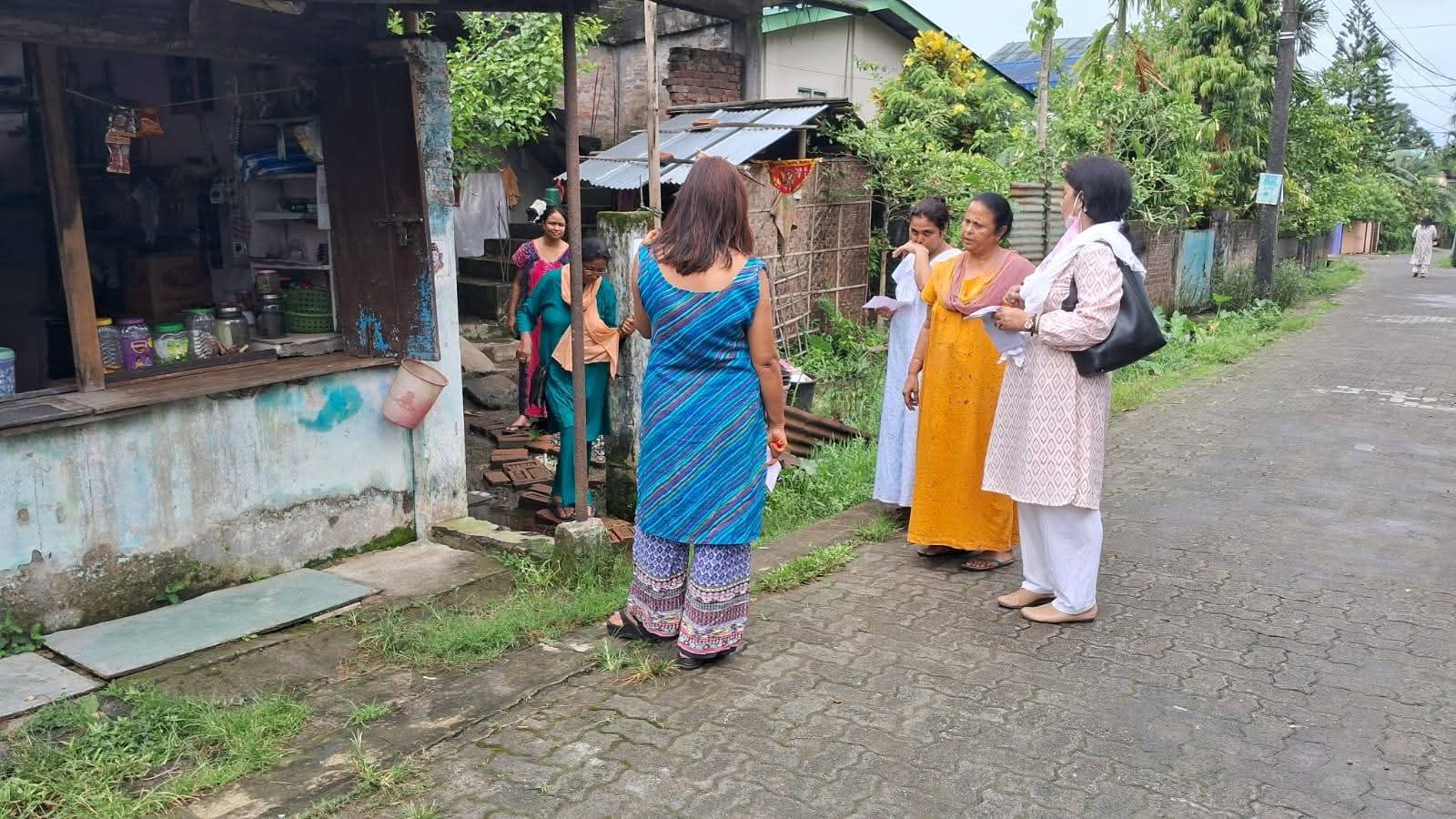
Dibrugarh: Six districts of Upper Assam — Sivasagar, Dibrugarh, Jorhat, Golaghat, Charaideo and Tinsukia — reported 55 cases of Japanese encephalitis (JE) and 244 cases of Acute Encephalitis Syndrome (AES) between Jan 1 and July 15, 2026, with nine deaths attributed to JE and two to AES, according to health department data.Joint director of health services (Sivasagar) Dr Makhan Kalita shared a district-wise break-up on Thursday, stating that Sivasagar recorded six JE cases and 33 AES cases with no deaths so far. “It is a positive sign that we have not recorded any fatality in Sivasagar this season, but the number of cases shows that continued caution is necessary,” Dr Kalita said. The worst-affected areas in Sivasagar include Geleki Khelua, Demow, Morabazar, Kalugaon and Gaurisagar.Tinsukia and Golaghat reported 12 JE cases each, the highest among the six districts, with two deaths apiece. In Tinsukia, the deceased were identified as Belishankar Moran of Kakopathar Dirak and Rupali Bhumij of Monkhooli Tea Estate, with Kakopathar and Hapjan block cited as the worst-affected areas. In Golaghat, seven patients recovered and were discharged.Dibrugarh reported 11 JE cases and 56 AES cases, the highest AES count among the districts, with one death. The deceased was identified as Bijit Nirmalia of Naharoni, who died at the Assam Medical College and Hospital. Khowang and Naharkatia were identified as the worst-hit areas.Jorhat recorded nine JE cases with three deaths and 31 AES cases with two deaths, with most cases reported from Baghchung block, Titabar block and the Solmara area. Charaideo reported five JE cases with one death and 31 AES cases.Dr Kalita said JE is a viral disease transmitted through the bite of infected Culex mosquitoes that breed in stagnant water, paddy fields and irrigation channels, common across Upper Assam’s agricultural belt. The virus is maintained through a cycle involving pigs and wading birds as amplifying hosts, while humans are considered dead-end hosts.Health officials said JE cases typically rise during and after the monsoon from June to October and advised residents to use mosquito nets, avoid keeping pigs close to living areas, ensure timely vaccination of children and seek medical attention for fever, headache or altered consciousness.Health teams have been conducting door-to-door fever surveys, interpersonal communication (IPC) sessions and awareness activities aimed at early detection and prevention, alongside fogging operations in worst-affected localities. Mosquito nets and medication have also been distributed in vulnerable areas.
Attachment
Attachment
Attachment