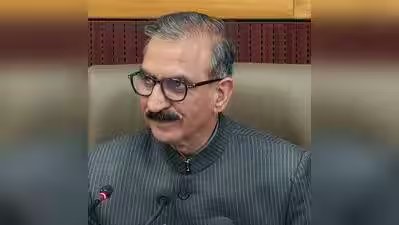









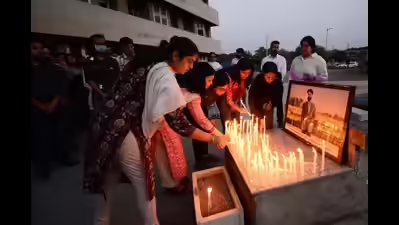
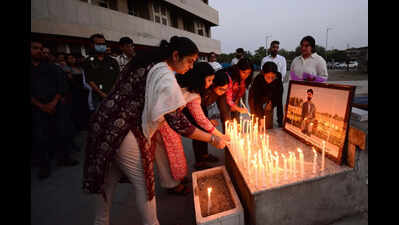
Chandigarh: In the wake of the tragic demise of a junior resident doctor at the GMCH-32, the hospital administration and student bodies are re-evaluating and strengthening their existing mental health support frameworks. Director principal Dr. Ravneet Kaur has pointed out that while undergraduate mentorship programs and a postgraduate “drop-in” facility operated by the psychiatry department existed, students rarely utilized these voluntary services on their own. To bridge this gap, the college has mandated that heads of departments abandon passive approaches and instead take a proactive, hands-on role to regularly check in on students, rather than waiting for them to reach out.Dr. Shraddha Bhardwaj, president of the Resident Doctors’ Association (RDA) at GMCH, has emphasized that while the immediate focus is on allowing colleagues, residents, and friends the necessary space to grieve, structural changes were underway. The RDA is collaborating on a comprehensive, multifaceted approach aimed at creating safer and more accessible communication channels using both online and offline platforms. This upcoming system, which includes mechanisms to identify and respond to emergency situations in a timely manner, is expected to launch with full effect in the coming weeks.Providing a perspective on the crisis, Dr. Ajeet Sidana from the GMCH department of psychiatry, shed light on the underlying psychological factors affecting today’s medical students. While the department runs a specialized counseling service known as the training drop-in center for both MBBS and MD students, institutional reach remains a hurdle despite information being regularly circulated and available on the GMCH website.Reflecting on student behavior, Dr. Sidana observed a significant decline in interpersonal communication among the current generation. He highlighted that while the university assigns mentors, students rarely come forward on their own to seek assistance for psychological issues. Instead, many retreat into isolation—spending excessive time online, on mobile phones, or attempting to resolve deep-seated emotional problems through Artificial Intelligence (AI) rather than communicating with people. “The concept of a healthy lifestyle is fading, noting a sharp contrast to earlier times when individuals maintained a strict work-life balance, spent time with family, and relied heavily on an active social support system,” he said.Dr. Sidana clarified that academic pressure was surprisingly not the primary driver of severe stress among medical students. Instead, the spectrum of distress is heavily dominated by interpersonal issues, family conflicts, and relationship problems. “ Psychological distress frequently manifests as physical ailments—such as headaches, chest pain, or abdominal pain—which often leads students to self-medicate while leaving the root emotional cause completely unaddressed,” said Dr SidanaEmphasizing that suicide is a preventable cause of death, Dr. Sidana underscored the critical need for individuals to approach challenges with a healthy mindset, re-analyze stressful situations, and actively step back when overwhelmed, rather than carrying the emotional burden alone until it becomes too late.