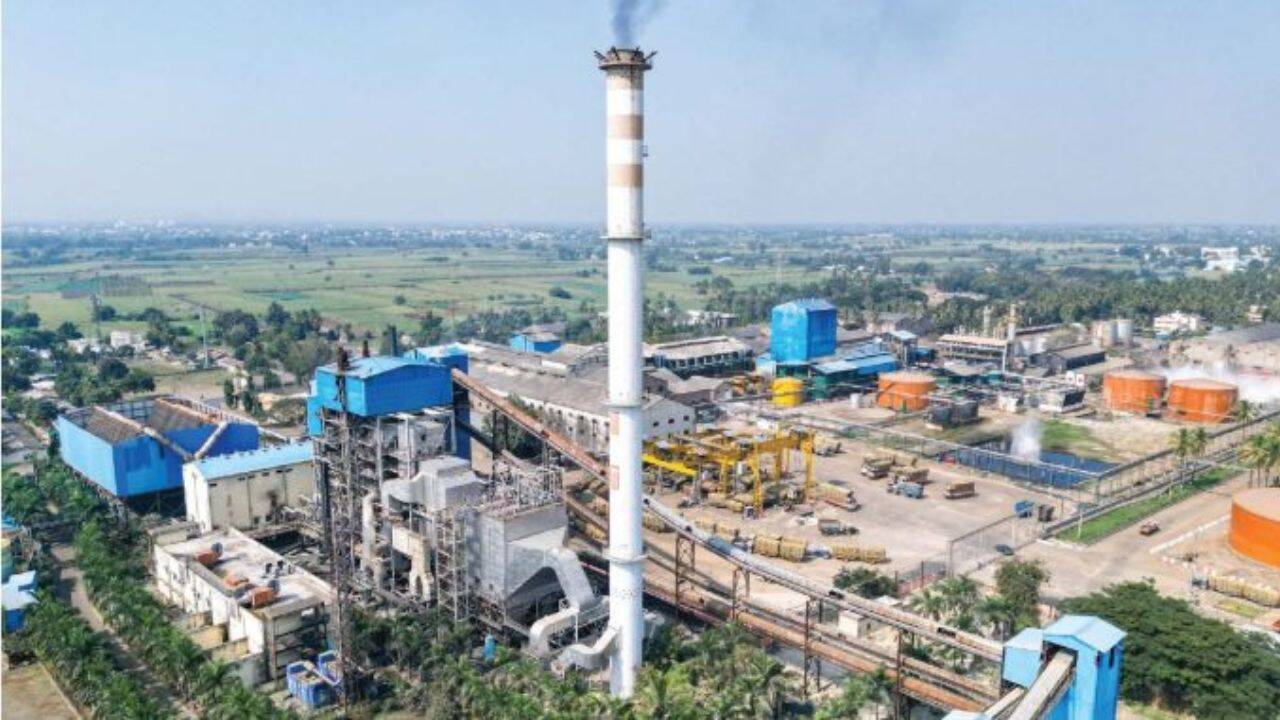








One of many achievements of Yogi government during the last nine years is the boost to sugar industry. It was done by the apt policies and innovation integrated into such policies. The ‘Sugar Industry, Co-generation, and Distillery Promotion Policy’ of Uttar Pradesh is one of the state’s key industrial policies aimed at modernising the sugar sector, increasing ethanol production, promoting renewable energy through bagasse-based co-generation, and attracting private investment. The policy has played a significant role in reviving the sugar economy since 2017 by encouraging mills to diversify beyond sugar production.Objectives Modernise existing sugar mills and improve efficiency. Promote establishment and expansion of ethanol distilleries. Encourage bagasse-based co-generation of electricity. Reduce dependence on sugar prices by diversifying revenue. Support India’s Ethanol Blended Petrol (EBP) Programme. Generate employment in rural areas and increase farmers’ income through timely cane payments.Major Features Capital subsidies and incentives for new and expanding distilleries. Financial support for setting up bagasse-based co-generation plants. Stamp duty concessions and exemptions on land transactions for eligible projects. Interest subsidies and facilitation of bank finance. Fast-track approvals through the state’s single-window clearance mechanism. Promotion of grain-based and sugarcane-based ethanol production.Impact Since 2017 The policy has transformed Uttar Pradesh into India’s leading ethanol-producing state. Ethanol production capacity has increased from about 42 crore litres annually in 2017 to over 175crore litres per year by 2025-26. More than 40 sugar mills now have ethanol distilleries or integrated ethanol production facilities. Bagasse-based co-generation capacity has crossed 1,000 MW, with surplus electricity supplied tothe state grid. Diversification into ethanol has reduced dependence on volatile sugar prices and improved thefinancial health of sugar mills. Additional revenue from ethanol has enabled mills to make more timely payments to sugarcanefarmers. Uttar Pradesh has consistently remained among the top contributors to India’s ethanol blendingprogramme.Major Sugar Mills with Ethanol PlantsSome of the leading groups that have expanded ethanol production include: Balrampur Chini Mills Dhampur Sugar Mills Triveni Engineering & Industries DSCL Sugar Bajaj Hindusthan Sugar Dwarikesh Sugar IndustriesThese companies have invested heavily in expanding ethanol capacity, installing modern distilleries, and increasing renewable power generation from bagasse.Benefits to Farmers Additional demand for sugarcane due to ethanol production. Improved liquidity of sugar mills leading to faster cane payments. Reduced accumulation of sugar stocks. Greater stability in the sugar sector despite fluctuations in global sugar prices.Contribution to Green EnergyBagasse, a by-product of sugarcane crushing, is used to generate electricity. Surplus power is supplied tothe state electricity grid, reducing dependence on fossil fuels and supporting Uttar Pradesh’s renewableenergy goals.ResultThe Sugar Industry, Co-generation, and Distillery Promotion Policy has become a cornerstone of Uttar Pradesh’s agro-industrial strategy. By integrating sugar production with ethanol manufacturing and renewable power generation, the state has created a more resilient sugar economy. The policy has strengthened farmer incomes, encouraged private investment, promoted clean energy, and helped Uttar Pradesh emerge as a national leader in ethanol production while contributing significantly to India’s target of higher ethanol blending in petrol.