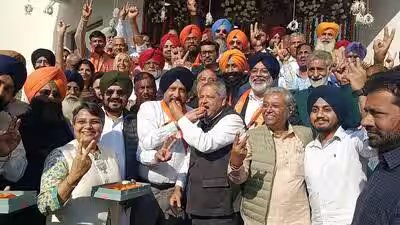









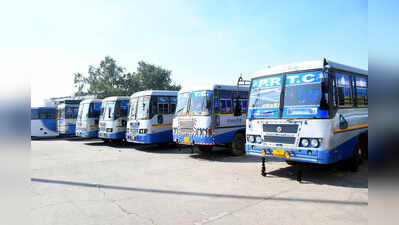
Patiala: Punjab finance and transport minister Harpal Singh Cheema on Wednesday launched the process of bringing outsourced Pepsu Road Transport Corporation (PRTC) employees under contract at PRTC’s Sangrur depot, and handed appointment letters to 104 employees from various depots. The initiative covers 1,719 PRTC employees. Cheema said Punjab govt had enacted legislation to fulfil their long-pending demand, and the process for eligible employees had begun after completion of the stipulated 90-day period.Authorities were preparing appointment letters after completing departmental formalities, including verification of service records, medical examinations and police verification, he said. The exercise would be conducted transparently and in accordance with rules. Cheema said previous govts had ignored the employees’ demands, forcing them to stage protests and strikes. He said govt led by chief minister Bhagwant Singh Mann had taken legal measures to protect their interests and provide better service conditions. He urged the employees to perform their duties with dedication, honesty and responsibility.Notably, PRTC employees earlier announced to go on three days strike from Nov 25 to 27 over their unfulfilled demands, including bringing outsource workers under PRTC contract. Harkesh Kumar Vicky, PRTC contractual employee union Patiala president, said, “We have postponed the protest as govt has initiated bringing outsource employees under direct PRTC contract. Besides, the govt has initiated process to cancel FIR against our colleagues booked during earlier protest and a meeting regarding this has been fixed for Nov 27”, he said.Earlier, Cheema conducted surprise inspections at GST and Excise Department offices in Sangrur, where several employees were allegedly found absent. He said attendance registers had been taken into custody to identify them and strict action would follow an inquiry. Negligence, dereliction of duty and absence without prior approval would not be tolerated in govt offices, he said, adding that employees were required to provide timely, transparent and efficient public services.