






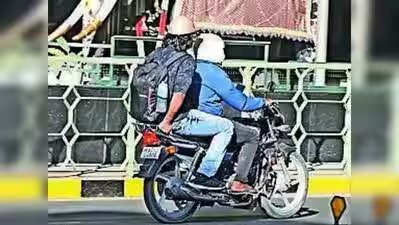
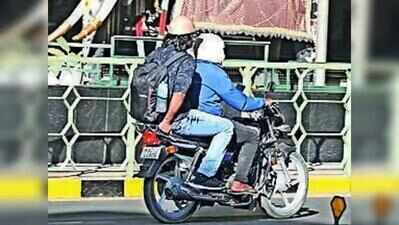
Pune: Maharashtra may soon permit private two-wheeler owners to legally operate bike taxis, a move that could bring nearly five lakh unauthorised operators under a formal regulatory framework. The proposal follows Union road transport minister Nitin Gadkari’s call for states to allow private bike owners to offer taxi services to boost livelihood opportunities.At present, Maharashtra permits only electric two-wheelers with commercial licences to operate as bike taxis. State transport minister Pratap Sarnaik said govt was awaiting detailed guidance from the Union transport ministry before taking a decision.“We are aware of what the Union transport minister has said. We are looking for more clarity and will consider the proposal once we receive further details,” Sarnaik told TOI.The minister said legalising private bike-taxi operations could help curb widespread unauthorised services, particularly in Mumbai. “Many people with regular jobs switch on aggregator apps while commuting to earn extra income. Allowing private two-wheeler owners to become ride captains could address this issue,” he said, adding that Maharashtra had around 5 lakh unauthorised bike taxi operators.The state is, however, unlikely to open the sector to petrol-powered two-wheelers, with govt remaining committed to its EV policy. Maharashtra aims for electric vehicles to account for 30% of new vehicle registrations by 2030, including 40% penetration among two- and three-wheelers.Demand for bike taxis has been growing in Pune, especially after recent autorickshaw fare hikes and additional charges for luggage and night travel. Pune RTO officials confirmed that Uber and Rapido had applied to operate bike taxi services in the city, with their proposals currently under scrutiny before final approval by the state transport authority.Residents said bike taxis could provide a cheaper and more reliable option for short-distance travel. “Pune doesn’t have proper public transportation. Autorickshaw drivers often refuse short rides, while PMPML buses are unreliable. Bike taxis are the need of the hour,” Katraj resident Pratham Vyas said.RTO sources indicated that bike taxi operations in Pune could begin within the next two months if approvals were granted on schedule. Safety, however, remains a key concern, particularly among women commuters. NIBM Road resident Preeti N said stricter safeguards would be needed before she considers using bike taxis, especially during late-night travel. “Unless there are women bike taxi riders and stronger safety checks, many women may be hesitant to use the service,” she added.Pune lacks reliable public transport. Autorickshaw fares are high, drivers often refuse short-distance rides and overcharging is common. PMPML buses are neither punctual nor dependable. Bike taxis are the need of the hour and their launch must be expeditedCommuters have welcomed the likely rollout of bike taxis in Pune, stressing that safety must be prioritised. Katraj resident Pratham Vyas said, “Pune lacks reliable public transport amid high autorickshaw fares, frequent refusal of short trips and routine overcharging. PMPML buses are neither punctual nor dependable. The bike taxi launch should be expedited.”NIBM Road resident Preeti N said she would avoid bike taxis unless stricter safety checks were enforced, particularly for night travel. “Having women riders would make women commuters feel more comfortable,” she said.Kharadi resident Sonali Dangre said bike taxis were important to reduce commuters’ dependence on cab and autorickshaw drivers, pointing to rising fares and poor driver behaviour.Shivajinagar resident Siddharth Deshpande said it remained unclear whether bike taxis would operate across Pune and whether autorickshaw unions would allow them to function freely. “RTO must ensure smooth operations and protect ride captains,” he said.Nigdi resident Gunjan Prasad expressed scepticism, saying such processes often got delayed or remained incomplete. “Bike taxis should be introduced immediately under strict govt monitoring, given persistent overcharging, misbehaviour by drivers, and unreliable public transport,” she added.