







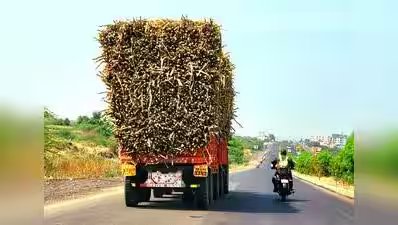
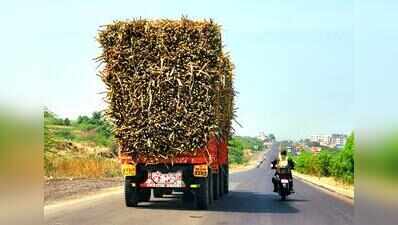
Pune: The Junnar forest division has recorded six incidents of leopards attacking motorcycle riders in the past two weeks, particularly in the Otur and Shirur forest ranges, raising fresh concerns over human-leopard encounters as sugar cane harvesting gathers pace across the region.Forest officials said the incidents have largely occurred during evening hours when leopards move between sugar cane fields and adjoining habitats. The sudden appearance of motorcycles, particularly while the animals are crossing roads, appears to be triggering defensive reactions rather than deliberate attempts to pursue riders.The trend has coincided with the beginning of the sugar cane crushing season, when harvesting operations disturb plantations that provide shelter to leopards. As standing sugarcane is cleared, the animals are more likely to move through adjoining agricultural fields and across village roads, increasing the possibility of unexpected encounters with commuters.Smita Rajhans, assistant conservator of forests, said that six such incidents had been reported in the division over the past fortnight, but none had resulted in a fatality. “Most incidents have occurred during evening hours. These attacks happen when motorcycles suddenly appear while leopards are moving or crossing roads. The animals get startled and react defensively. In none of these incidents did the leopard chase the motorcycle,” Rajhans said.She emphasised that the attacks should not necessarily be interpreted as deliberate aggression towards humans. “It is a natural reaction when the animal suddenly encounters a moving motorcycle at close range. The leopard gets panicked and attacks in self-defence. We have advised farmers and villagers to avoid travelling during night hours, particularly through areas where leopard movement is frequently reported,” she said.Sugar cane plantations across Junnar and adjoining agricultural belts have long provided suitable cover for leopards. The dense crop offers concealment and relatively undisturbed resting places, particularly in landscapes where agricultural fields, settlements and roads overlap.Wildlife observers say harvesting can temporarily alter leopard movement patterns. As the crop is removed, animals sheltering inside plantations may shift to neighbouring fields, irrigation channels and other patches of vegetation.This movement can increase encounters along rural roads, especially during dusk and after sunset, when visibility is reduced and leopards are naturally more active.Unlike cases involving leopards repeatedly pursuing people, the reported motorcycle incidents appear consistent with sudden, close-range encounters in which the animal reacts to an unexpected disturbance.Wildlife conservationists caution that such behaviour should not automatically lead to the animals being labelled aggressive or dangerous. They say the circumstances of each incident must be examined, including road visibility, motorcycle speed, distance from the animal and whether it had an opportunity to retreat.Wildlife activists and farmers say the recurring encounters highlight the need for seasonal precautions rather than relying solely on trapping and relocation. “It is essential to identify such vulnerable road stretches near sugarcane plantations. Also, installing warning boards, improving awareness among villagers and coordinating harvesting activities with forest officials in areas reporting frequent leopard movement is the need of the hour to prevent such attacks. The sighting has also increased in the leopard-prone villages where attacks had reported in the past,” said Naresh Dhome, former sarpanch of Pimparkhed village where two fatal attacks were reported last year.Conservationists also stress that motorcycles travelling at speed on narrow agricultural roads can leave both riders and leopards with little time to react during an unexpected encounter.They advocate greater caution during evening hours, particularly near standing sugarcane, field boundaries and road crossings known to be used by wildlife.The incidents have once again highlighted the challenges of coexistence in Junnar’s agricultural landscape, where leopards frequently share space with farmers, agricultural labourers and commuters.Forest officials said preventing sudden encounters remains crucial during the ongoing harvesting season. They have urged villagers to exercise caution while travelling through vulnerable stretches and report leopard sightings to the forest department rather than attempting to approach or provoke the animals.