








A tiny piece of a snake’s skin can reveal more than its genetic identity. Researchers studying timber rattlesnakes in the northeastern United States used DNA collected from small scale clippings to investigate population differences, inbreeding and signs of fungal disease. The study, ‘Population genetics, trait mapping, and fungal pathogen surveillance using untargeted sequencing in timber rattlesnakes (Crotalus horridus),’ published in the Journal of Heredity, found that snakes from different populations were genetically distinct, while some groups showed levels of inbreeding that could affect their survival. The same sequencing method also detected DNA from a fungus responsible for snake fungal disease, including in animals without visible signs of infection.
How timber rattlesnake DNA from tiny skin samples revealed genetic differences
In the research paper known as Population genetics, trait mapping, and fungal pathogen surveillance using untargeted sequencing in timber rattlesnakes (Crotalus horridus), scale samples were gathered from 107 timber rattlesnakes from eight separate locations within the northeast Appalachian area. Four additional samples belonging to museum specimens from the historical era were also considered in the broader study, resulting in 111 samples being taken into account in total. Each clip was around 2 mm long.The process utilised in this study, namely low coverage whole-genome sequencing, enabled scientists to analyse genetic data without the need for vast amounts of DNA. It was proven that there is a difference in the genome among populations, as usually, each snake tends to be more genetically similar to other snakes inhabiting the same location rather than those inhabiting neighbouring locations. Geography does not play the most crucial role in the differentiation.Inbreeding was also studied by the scientists since it becomes an issue with small or isolated populations. Out of 85 snakes with reliable estimations of inbreeding, 21 had a coefficient higher than 0.05, where 0.05 is usually considered to be a value that corresponds to fitness problems because of inbreeding in other species. The strongest results have been detected in the Mount Washington, Massachusetts, population. It might mean that there is recent genetic disturbance in some groups of timber rattlesnakes, although the authors pointed out the uncertainty of the results of inbreeding in one Vermont population.
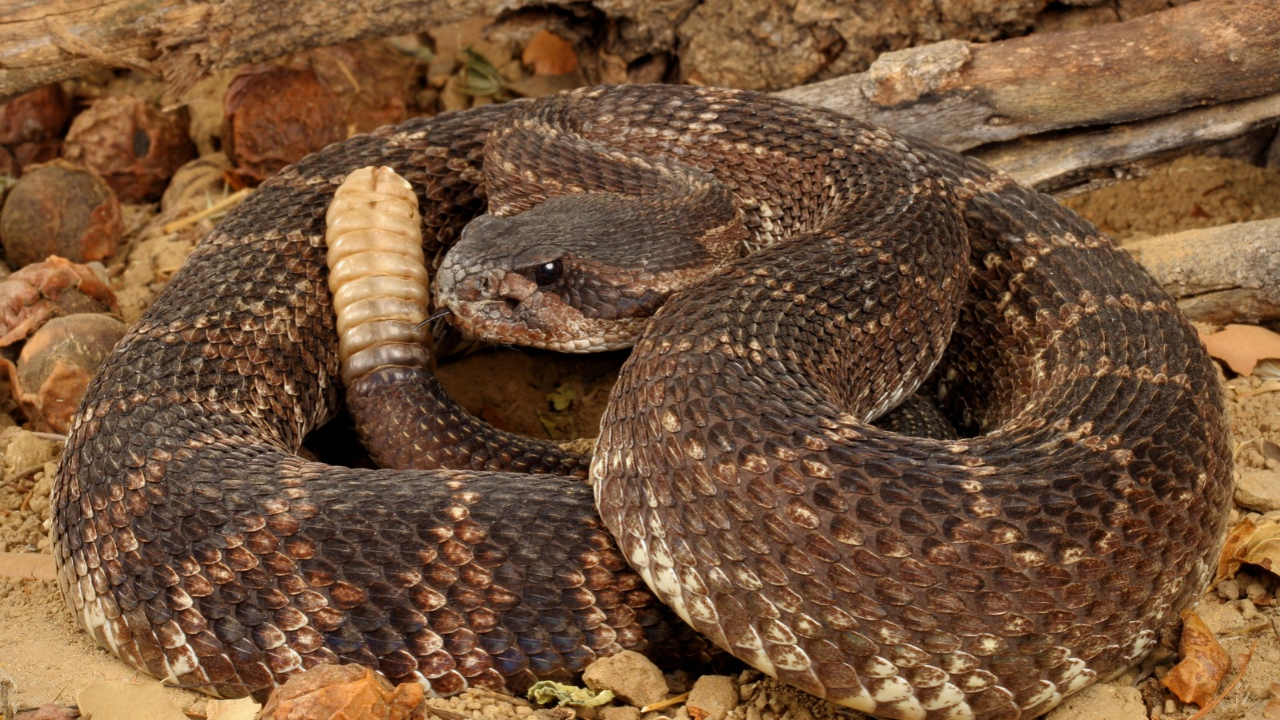
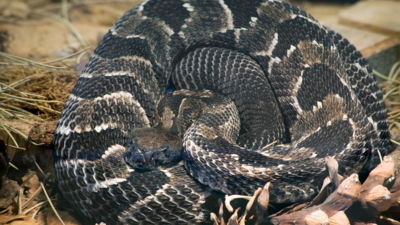
These large, heavy pit vipers vary in coloration. They are gray, sometimes with a pinkish hue and have a stripe down their back. This stripe is orange, yellow or pinkish in some timber rattlesnakes, while others have a brown or black stripe. (Image: Canva)
DNA sequencing detected snake fungal disease, including in snakes without visible symptoms
One of the study’s other findings involved Ophidiomyces ophidiicola, the fungus responsible for snake fungal disease. The infection can cause skin lesions and has been associated with behavioural changes and increased mortality in affected snakes. Researchers found higher levels of fungal DNA in animals showing clinical signs of the disease, but the results also revealed that some snakes without visible lesions carried substantial amounts of the pathogen.This matters because an apparently healthy snake may still carry fungal DNA. As the researchers explain in their Journal of Heredity paper, visible skin lesions are not a reliable indicator of infection status on their own. Some animals can carry the fungus without obvious symptoms, meaning that field observations may overlook infections that genetic testing can detect.The researchers also examined the microbial communities living on the snakes’ skin. Individuals with higher fungal burdens had more compositionally distinct skin microbiomes, indicating that heavier fungal loads were associated with changes in the communities of microbes normally found on the animals. The team could not establish whether these changes made snakes more vulnerable to infection, resulted from the disease or reflected both processes.The findings require further investigation before fungal DNA detected through sequencing can be treated as a confirmed diagnosis. The authors noted that some fungal genetic material could have come from surface contamination rather than an active infection. Histopathological examination would be needed to establish infection definitively.
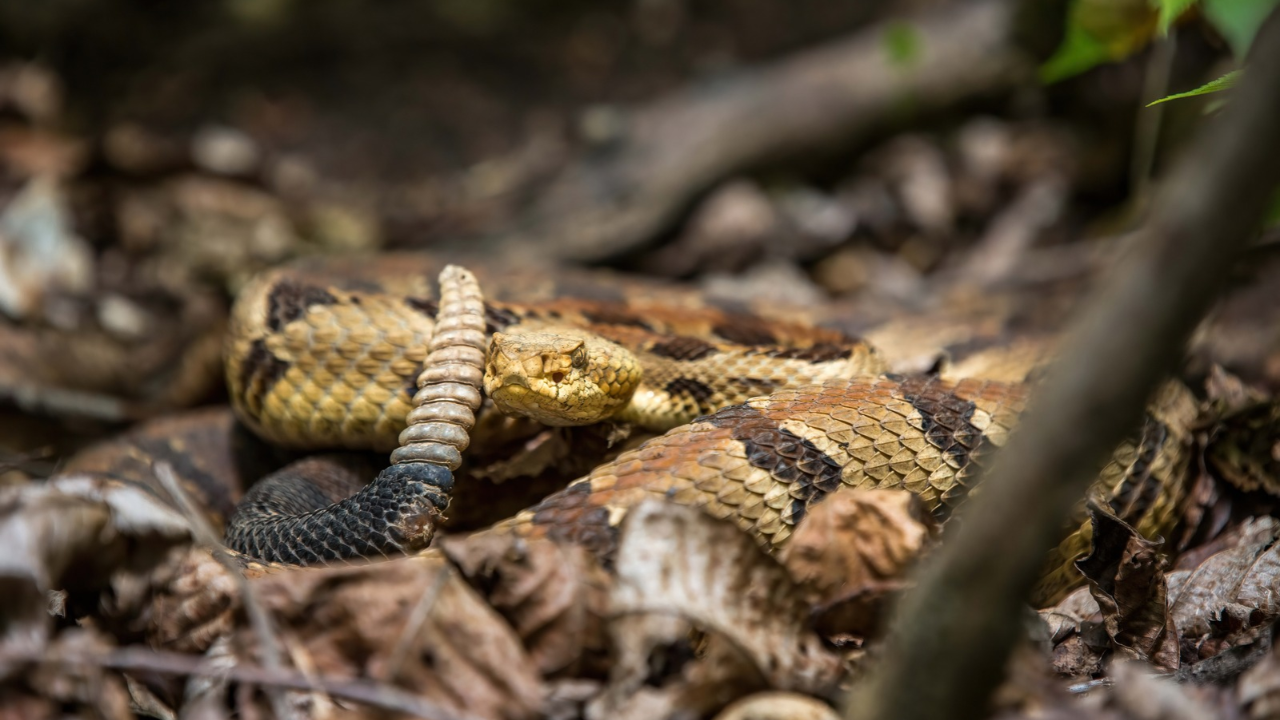
Adults typically reach lengths of 2.5-5 feet (.76-1.5 meters), but there are reports of timber rattlesnakes growing up to 7 feet (2 meters) long. (Image: Canva)
Researchers say one sequencing method could improve wildlife disease monitoring
The study also identified a genetic region associated with the snakes’ black and yellow colour patterns. The strongest association involved a region on chromosome 16 containing the gene ALDH4A1. The researchers said the gene belongs to a family previously linked to pigmentation in vertebrates, although it is not part of the conventional melanin pathway. They stressed that the association remains a candidate finding and needs validation using higher-coverage sequencing or independent samples.The broader significance of the research lies in how much information could be obtained from a small-scale clipping. The same sequencing dataset provided evidence about population structure, possible inbreeding, colour variation and fungal pathogen presence, without requiring separate sampling procedures for each investigation.The authors suggest that this approach could complement existing conservation monitoring, particularly for species that are difficult to study and may be stressed by repeated handling. For timber rattlesnakes, whose populations face pressures including habitat loss, human persecution and emerging disease, detecting genetic vulnerability and potential infections could help researchers identify groups that need closer attention. The method offers a way to gather several kinds of conservation information from a single, minimally invasive sample, although further work is needed to validate its use for diagnosing fungal disease.