









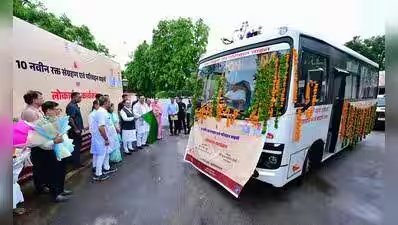
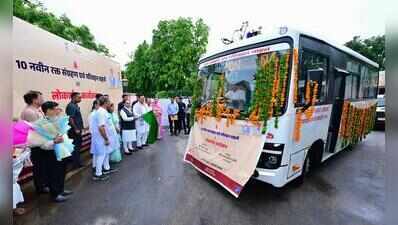
Jaipur: Rajasthan has stepped up its voluntary blood donation drive following a series of maternal deaths, many linked to anaemia, that highlighted pressure on the state’s blood supply system. Union health minister JP Nadda and chief minister Bhajan Lal Sharma Sunday flagged off 10 new blood collection and transportation vans as part of the drive.The health dept has directed govt hospitals to provide blood and blood components to pregnant women without insisting on replacement donors, increasing the state’s dependence on voluntary donations. It has also ordered monthly blood donation camps at every block headquarters.The move follows a July 23 order by Rajasthan State Blood Transfusion Council directing govt hospitals to provide blood to pregnant women without replacement donors. The order applies to women seeking antenatal care, anaemic pregnant women and those admitted for delivery.Health officials have been asked to coordinate with NGOs, voluntary organisations, colleges, donors and philanthropists to organise more donation camps and prepare lists of rare blood group donors for emergencies.Rajasthan has 286 operational blood banks, including 66 govt-run facilities. The state requires around nine lakh units of blood annually but currently collects nearly five lakh units through voluntary donation camps.The 10 new vans, allocated to govt blood banks at a total cost of Rs 4.5 crore, are equipped with three donor couches, two blood collection monitors, a tube sealer, a 200-unit refrigerator, an oxygen cylinder, a digital thermometer, an LED TV and a public address system.A senior health official said the vans can travel to colonies, residential areas and remote locations, allowing groups and organisations to organise blood donation drives without having to arrange beds, air-conditioning, halls or medical equipment.The health dept has also directed all govt medical institutions to organise at least one voluntary blood donation camp every month at each block headquarters. Officials said greater local availability of blood would help ensure timely support during childbirth-related complications and reduce the burden on families seeking replacement donors.The dept has approved refreshments for voluntary donors at Rs 50 per donor under National Health Mission. Blood banks have been directed to ensure adequate stocks of blood bags, kits and other consumables, procure them locally if required, and update their stock daily on e-Raktkosh portal.In a major policy shift, govt blood centres will now collect 50% of their blood through voluntary camps where their medical teams are deployed, up from the earlier 20%.The health dept has also ordered strict action against blood banks reporting excessive discard of collected blood and mandated daily updates on blood availability on e-Raktkosh for effective statewide monitoring.