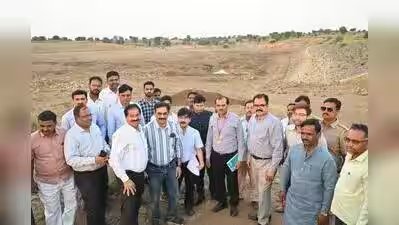








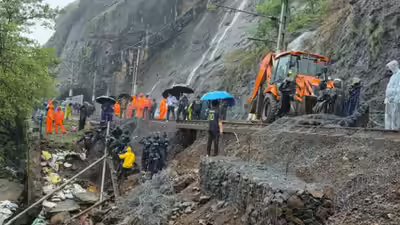
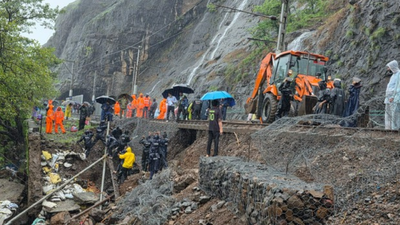
MUMBAI: Railway minister Ashwini Vaishnaw on Thursday reviewed the restoration work in the Mumbai–Pune ghat section and said all trains operating on the single line restored on Tuesday will continue to run with two locomotives. The arrangement will remain in place as the slip line required for attaching banker engines is still out of service following extensive landslide damage.The minister said the landslides caused significant damage to the railway tracks and the surrounding hillside, making the restoration work challenging. He added that teams from Central Railway and Western Railway are working in close coordination to restore the remaining two lines at the earliest while ensuring safe train operations through the affected stretch.Vaishnaw said running trains with two locomotives has become necessary as banker locomotives cannot be attached or detached without the slip line. The temporary arrangement will continue until the damaged infrastructure is fully restored.He also said transporting construction material to several restoration sites has been difficult due to the challenging terrain and the extent of the damage. Railway teams are coordinating with the district administration and the forest department to move machinery, materials and manpower to affected locations so that restoration work can be completed without delay.One of the three railway lines in the 27-km Khandala–Karjat ghat section was restored on Tuesday after train services on the Mumbai–Pune route remained suspended for around 44 hours following landslides at two locations in the Lonavala ghat. Train operations resumed with a speed restriction of 30 kmph, while work on the remaining two lines is continuing round the clock.The railway has deployed more than 1,100 workers for the restoration exercise, supported by a boulder special train, ballast rake, Unimat and Duomatic track maintenance machines, eight poclain excavators and 12 JCB machines. Special labour trains are ferrying workers to inaccessible locations, while accommodation, food and safety gear have been provided to ensure uninterrupted work despite persistent rainfall.Apart from clearing debris and rebuilding the damaged track formation, engineers are carrying out long-term stabilisation measures, including the construction of gabion retaining walls, restoration of damaged rockfall fencing, rock bolting on vulnerable hill slopes and rebuilding washed-out embankments. Railway officials said the remaining lines will be restored only after all safety inspections are completed and the section is certified fit for normal operations.