









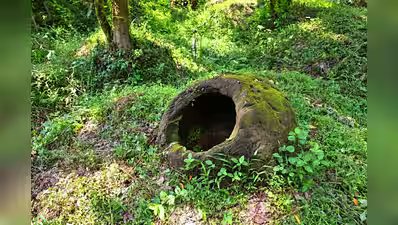
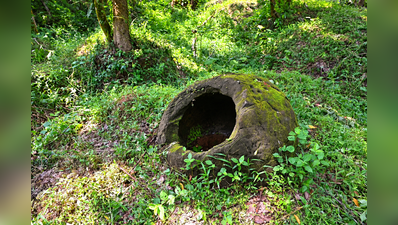
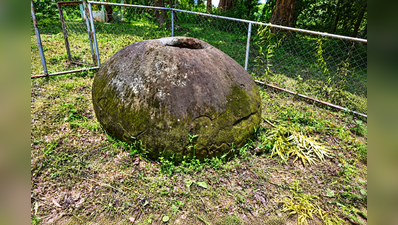
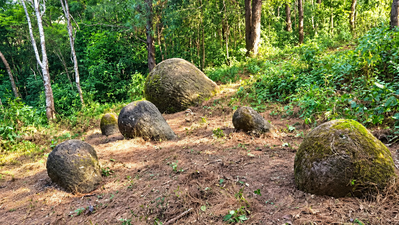
Silchar: Ahead of the Oct 30 Lungzubei Festival, Dima Hasao’s enigmatic megalithic stone jars are drawing renewed attention to the hill district’s archaeological heritage.The fourth festival, to be held at Khobak village near the Lungzubei Archaeological Site, will feature traditional Biate dances and cultural practices, while highlighting the need to preserve the region’s heritage.Among the sites of archaeological interest is Dubungling village, historically known as Derebera, where large, globular stone jars have been found amid the hills.The Archaeological Survey of India (ASI) has described Dubungling as a “treasure trove” of remains from the prehistoric to medieval periods. The stone jars are believed to date to prehistoric times and may have been linked to mortuary practices, including the storage of cremated bones or bone fragments. Their exact purpose remains unknown.Earlier surveys recorded 42 jars at Dubungling, but only 17 are now visible above ground. Several others are believed to be partially or completely buried. The largest surviving jar is nearly 120 cm high and about 200 cm in diameter.Half-moon-shaped engraved stones found about 400 metres from the main cluster add to the mystery. Their geometric and anthropomorphic designs may have had symbolic or ritual significance connected with the jars.The Assam archaeological directorate has documented the sites using DGPS mapping and drone surveys.Similar stone-jar sites have been reported in Dima Hasao, Meghalaya’s Jaintia Hills, Laos and Indonesia, where they have been associated with ancient mortuary practices.Questions remain about who carved the jars, when and how they were made, where the stone was quarried and how the massive objects were transported.Organisers hope the festival will draw attention to the archaeological legacy, support conservation and showcase Biate traditions.