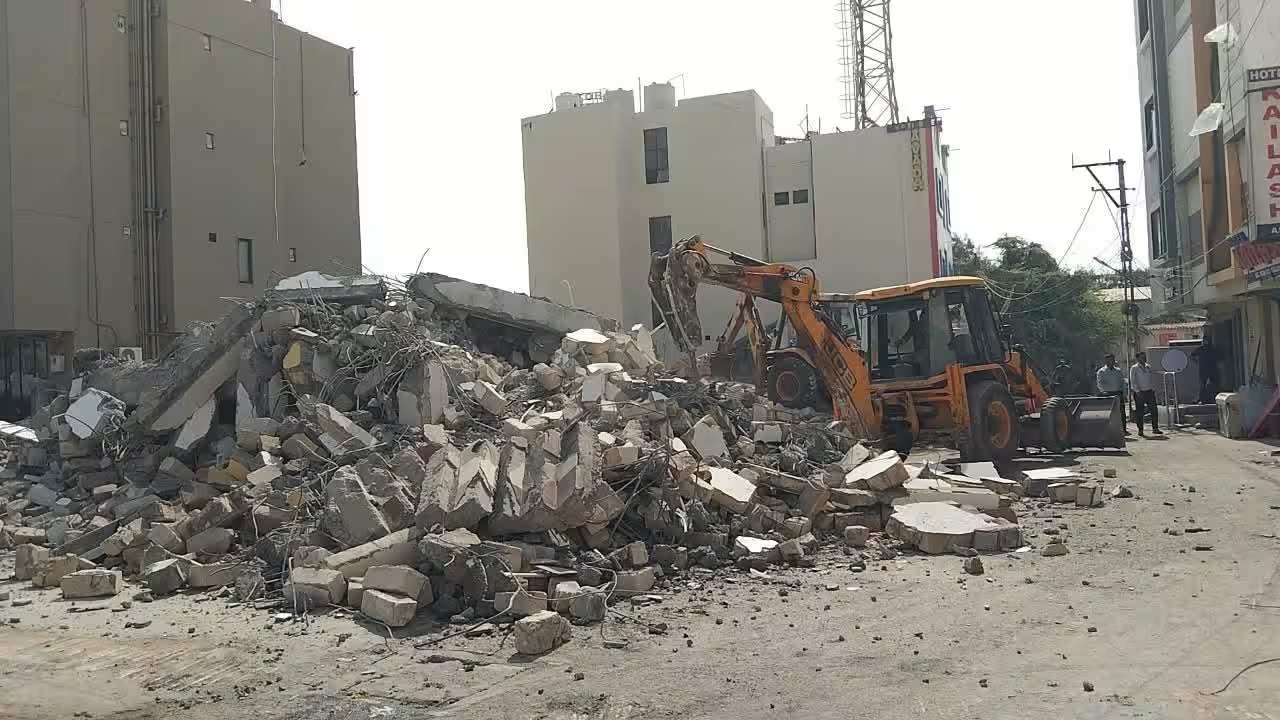







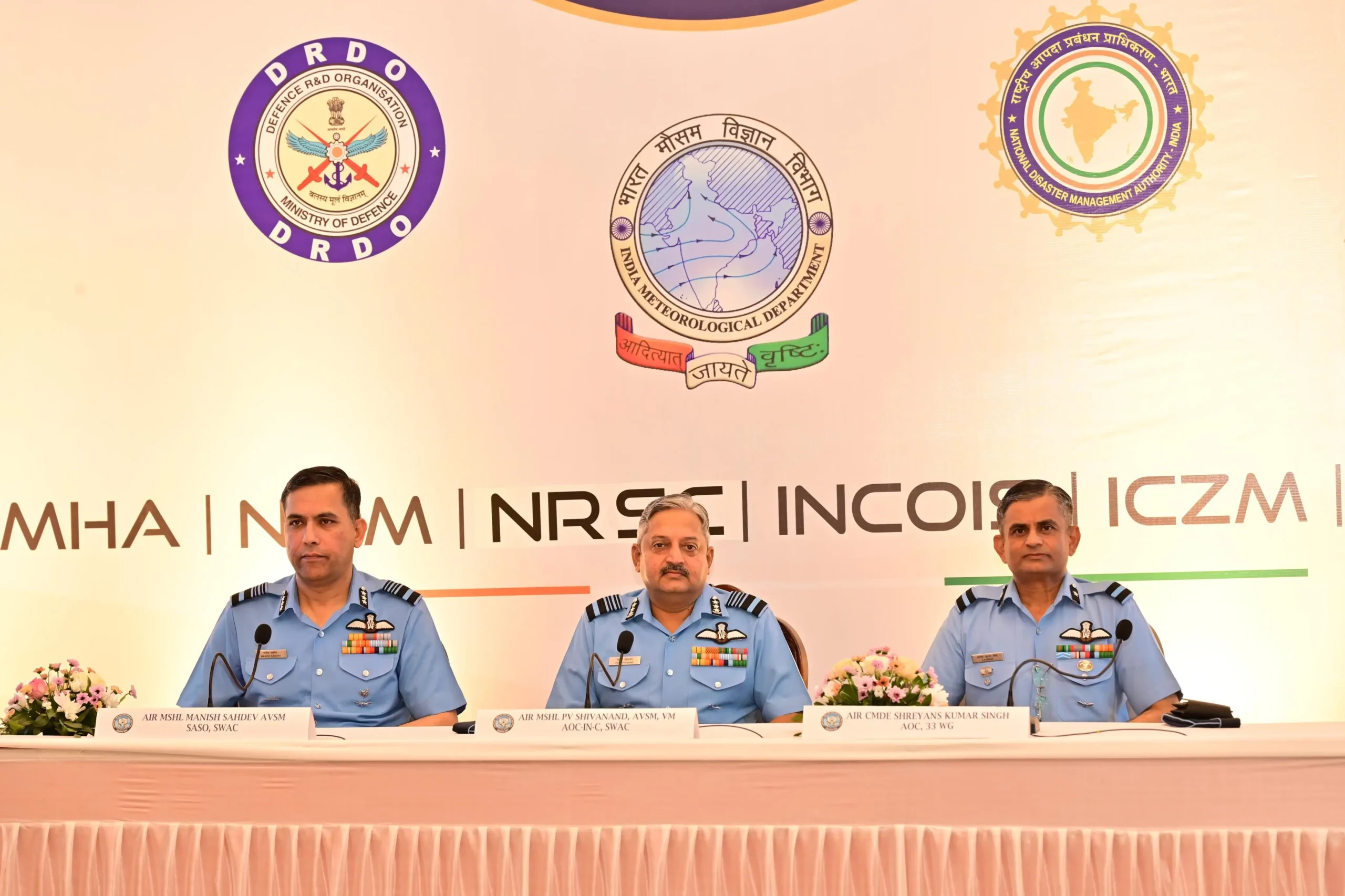
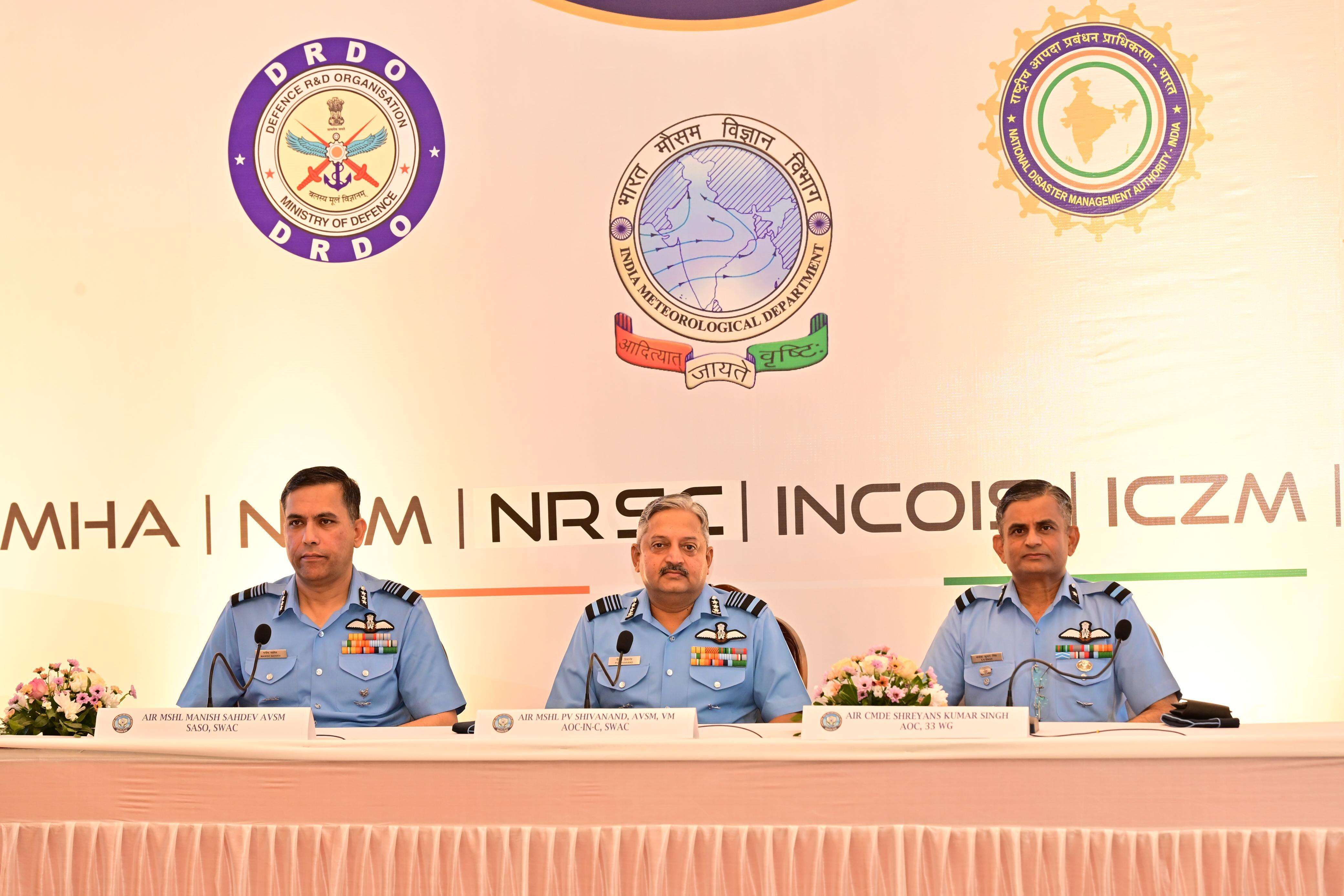
Rajkot: Indian defence forces began Exercise Sahayata Setu, a three-day multinational annual joint humanitarian assistance and disaster relief (HADR) exercise, at Air Force Station Jamnagar on Tuesday.According to a statement from the defence forces, the opening day began with a brainstorming seminar bringing together representatives from friendly foreign countries associated with Indian Ocean Rim Association (IORA), BIMSTEC and Quadrilateral Security Dialogue (QUAD).Participating countries include Australia, Bangladesh, Comoros, Indonesia, Japan, Kenya, Madagascar, Malaysia, Maldives, Mauritius, Mozambique, Myanmar, Nepal, Oman, Seychelles, Singapore, Somalia, South Africa, Sri Lanka, Tanzania, Thailand, the United Arab Emirates, the United States of America and Yemen.Delivering the keynote address, Air Marshal P V Shivanand, air officer commanding-in-chief, South Western Air Command, stressed the importance of integrated planning, joint capability development and seamless coordination among stakeholders to ensure a swift and cohesive response to natural disasters and humanitarian emergencies.Speakers from the foreign ministry, Army, Navy, Air Force, National Disaster Response Force (NDRF), DRDO and disaster management agencies led deliberations on India’s growing global HADR footprint — highlighting case studies on Operation Amistad, Operation Brahma and Operation Sagar Bandhu — as well as the role of emerging technologies in strengthening joint capabilities. A QUAD working-level meeting was also held during the afternoon session to synchronise regional HADR efforts.As the exercise progresses, activities will shift towards scenario-based drills centred on a simulated severe cyclonic storm. The main public and operational showcase on Nov 19 will feature a static display, a FICCI exhibition and a multi-agency capability demonstration on the air station tarmac.Thursday’s demonstration will unfold in five operational phases designed to test real-time inter-agency coordination:Aerial Assessment: Reconnaissance of cyclone-hit areas using Jaguar aircraft, Remotely Piloted Aircraft (RPA), Advanced Light Helicopters (ALH), C-130 aircraft with live feeds, RecceLite pods and quadcopters.Team Deployment and Firefighting: Insertion of Army rescue and medical teams via MI-17 helicopters, low-hover jumps, aerial firefighting with Bambi Buckets, deployment of light strike vehicles, heavy container drops via Chinook helicopters and fuel bridging operations.Rescue and Evacuation: Rooftop rescues using Cheetah helicopters, slithering operations from ALHs, dinghy drops via Dornier aircraft, search operations utilising rescue robots and trained canines, and debris clearance by the Army, NDRF, and State Disaster Response Force (SDRF), supported by makeshift helipads, temporary bridges, and mobile operation theatres.Maritime Search and Rescue: Locating stranded individuals at sea, live winching demonstrations by Coast Guard ALHs, and transfers to hospital ships.Relief and Rehabilitation: Assault landings and vehicle transport via C-295 aircraft, delivery of heavy NDRF equipment by C-17 aircraft, medical supply and blood delivery to field hospitals using logistics drones, and naval relief support.