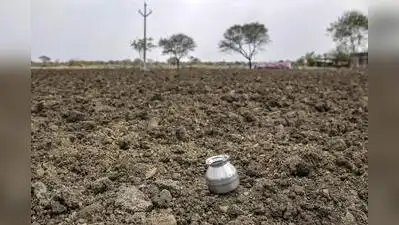









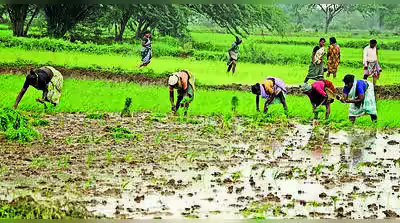
Pune: Continuous rainfall over the past two days has revived paddy nurseries across Pune district, bringing relief to farmers who had been struggling due to delayed monsoon showers and rising temperatures.Farmers in Bhor, Rajgad, Maval, Mulshi, Khed, Junnar and Ambegaon had prepared dry-land paddy nurseries earlier this month, but inadequate rainfall had affected crop growth. “The recent showers have saved our nurseries and raised hopes of starting transplantation soon,” said farmer Tanaji Kaware from Rajgad taluka.Agriculture officials said the rainfall has created favourable conditions for paddy nurseries. The district’s average area under paddy is 60,920 hectares. Thousands of farmers had been struggling to protect their crops amid prolonged dry conditions and rising temperatures. The delayed rainfall had put the young saplings under severe stress, forcing many cultivators to resort to manual irrigation to keep the nurseries alive.The recent rainfall has transformed the outlook for the kharif season, with farmers expressing optimism that transplantation work will begin in the coming days if the monsoon remains active.District agriculture officer Sanjay Kachole said, “Paddy cultivation usually starts in the second week of July. But before that growth of paddy nurseries is the key thing. If their nurseries are affected then the overall paddy plantation cycle gets disturbed severely. This time we have this fear. We need more rainfall to see the encouraging results across paddy growing region.”According to the district agriculture department, Pune district has planned paddy cultivation over around 60,920 hectares during the ongoing kharif season. Agriculture officials said that despite the initial setback caused by inadequate rainfall, the current spell of showers has created favourable conditions for paddy cultivation. “For several days, we were worried about losing our paddy nurseries. We had to make extra efforts to keep the saplings alive because there was no rain. The showers received during the last two days have provided much-needed support to the crop. If rainfall continues for another four to five days, we will be able to begin transplantation work,” Kaware said.Farmers in Maval taluka also reported improved conditions after the rainfall. Rahidas Lokhande, who had prepared his nursery nearly two weeks ago, said the prolonged dry spell had slowed the growth of paddy saplings. “We had prepared the nursery expecting the monsoon to arrive on time, but the lack of rainfall affected the growth of the saplings. The recent showers have changed the situation completely. The weather has become cooler and the plants have started responding well,” Lokhande said.Agriculture experts believe that the current pattern of continuous light to moderate rainfall is particularly beneficial for paddy cultivation, as it helps maintain soil moisture and creates suitable conditions for transplantation. Kachole said the department had been promoting the preparation of dry-land paddy nurseries through extensive awareness campaigns and field-level guidance.On sowing of other Kharif crops, Kachole said, “The rainfall is inadequate till date and hence we haven’t advised farmers to initiate sowing of other Kharif crops. The region should recieve around 70 to 80 mm rainfall to develop adequate moisture in soil. Once that happens we will advise farmers to initiate sowing. Till then they can ready their farms for sowing.”