

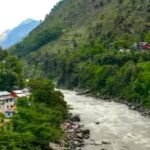







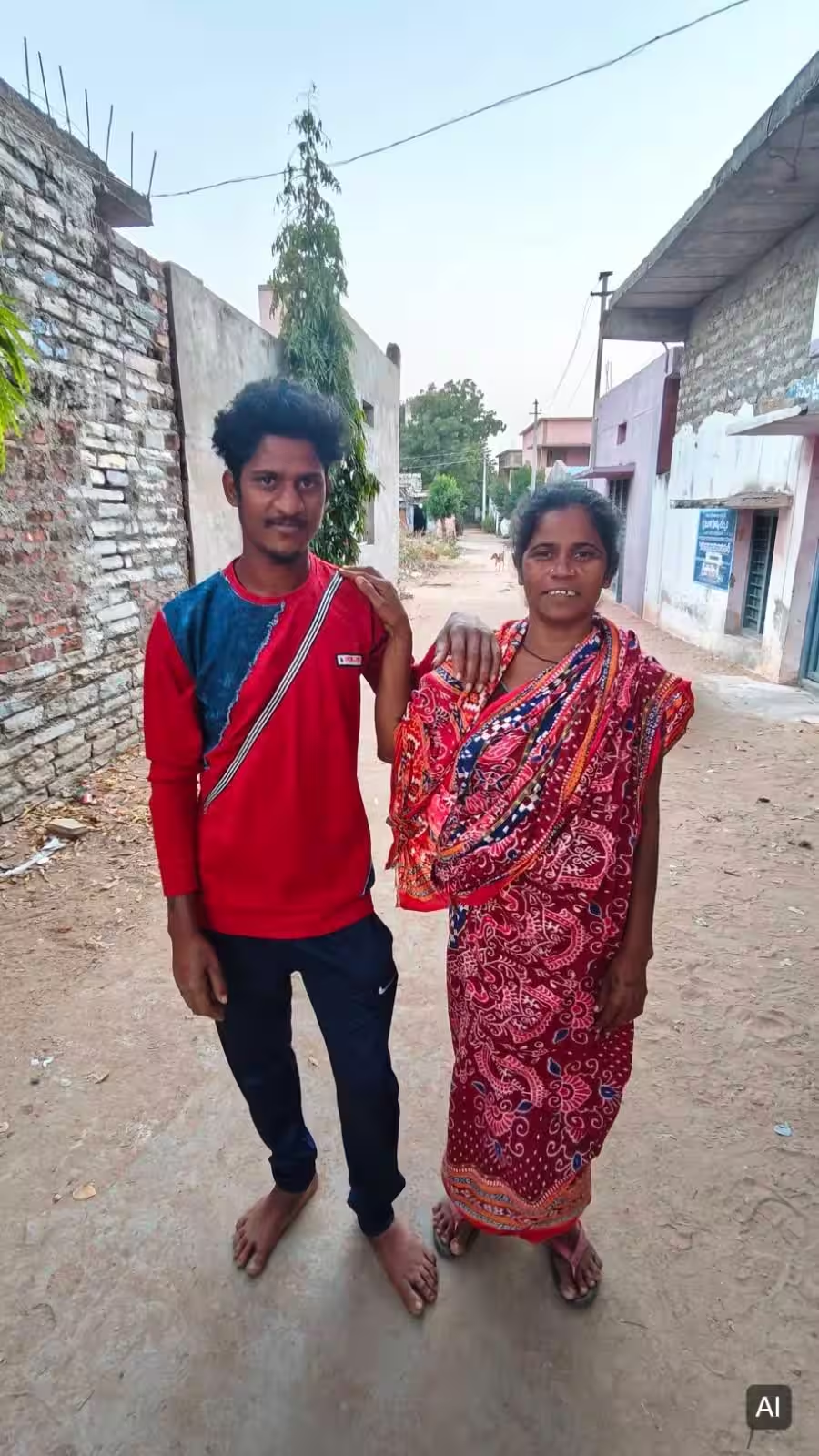
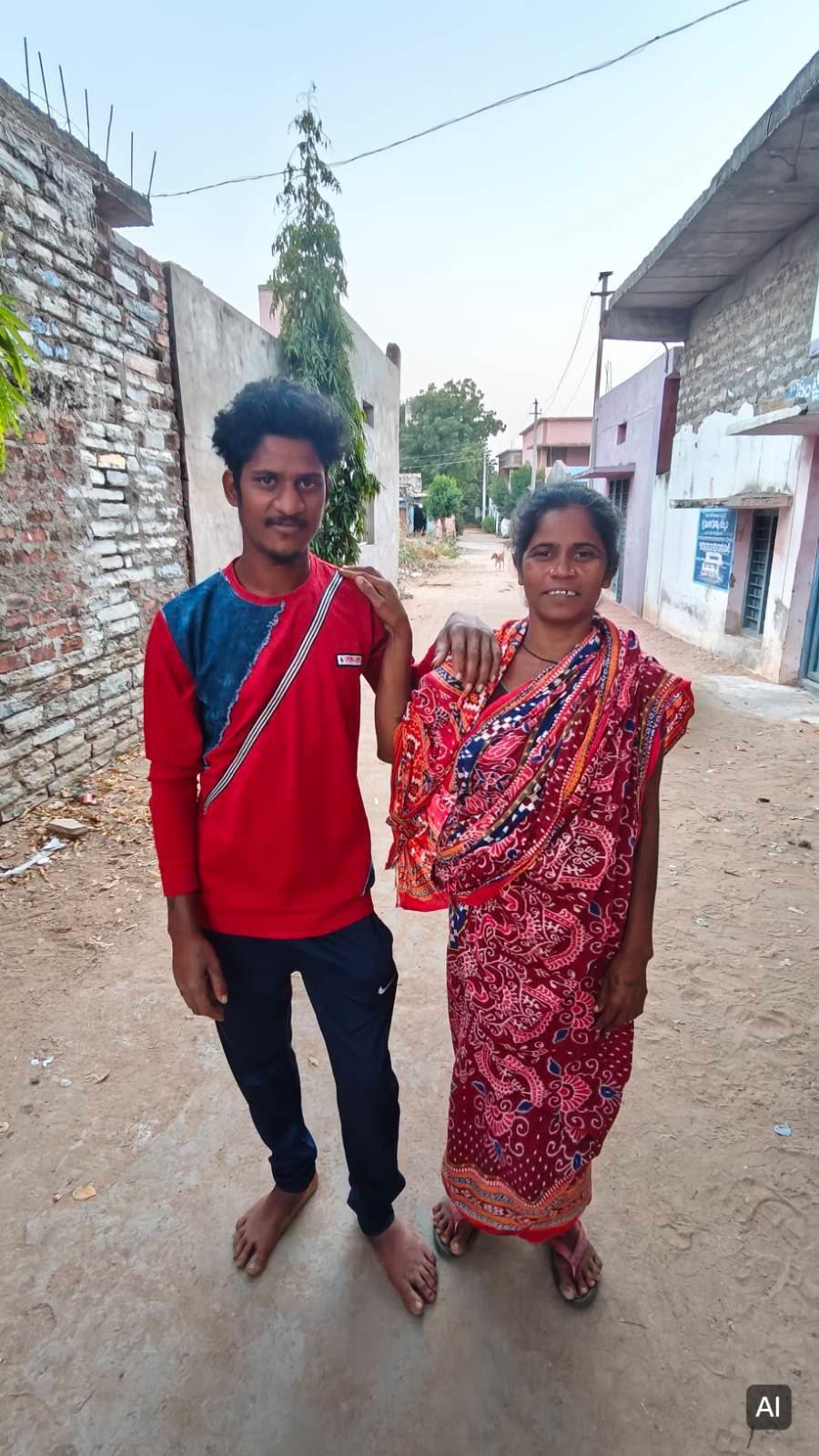
Hyderabad: More than a year after 14 migrant workers were rescued from an illegal fishing operation in Amaragiri, another suspected bonded labour racket has surfaced along the Krishna river in Nagarkurnool district, with revenue officials rescuing 10 workers from a small island near Malleshwaram village. Officials suspect that more than 100 workers from Odisha, Maharashtra, Bihar, Chhattisgarh and other states were brought to the fishing unit with promises of monthly wages ranging from ₹12,000 to ₹18,000, but were made to work in illegal fishing operations.The latest operation was triggered by the search for 23-year-old Akshay Majhi, who had gone missing from Odisha nearly two months ago. Members of a local NGO found him at the fishing unit and alerted his family. Akshay, a resident of Karlamal village in Odisha’s Balangir district, had left home telling his mother, 42-year-old Sabitri Majhi, that he was going to Tirupati in search of work. He later stopped communicating with his family, and his phone remained switched off.After the NGO traced his family using his Aadhaar details, Sabitri travelled to Nagarkurnool with her son-in-law, Siva, and approached district authorities for help. Her husband had died four months earlier, leaving the family in financial difficulty. Acting on the information, revenue officials, accompanied by police personnel, reached the fishing camp at Malleshwaram on Thursday.By the time the teams arrived, several workers had reportedly fled. According to G Bhaskar, mandal revenue officer (MRO) of Pentlavelli, the fishing unit owners allegedly warned the workers that the operation was illegal and that they too would be arrested if police arrived. Fearing arrest, several reportedly crossed into neighbouring Andhra Pradesh. Revenue teams searched the reservoir and its remote islands and rescued 10 workers, including five women, all aged between 20 and 50. They were found working on a small island in the Krishna river.“The rescued workers were produced before the revenue divisional officer and subsequently sent back to their respective homes with enough money to reach home. We will continue searches to trace the remaining workers,” Bhaskar said.During the search for Akshay, officials also reached the fishing camp, where they found clothes, bags and other personal belongings scattered around. A wood-fired stove with freshly cooked rice and curry was also found, suggesting that the workers had left in haste shortly before the teams arrived, Bhaskar said.Unable to find her son at the site, Sabitri feared he had been pushed into the river.“When I saw his bag and clothes lying there, and my son was nowhere to be found, I thought the men must have pushed him into the river. He doesn’t know how to swim. My heart was ripping apart until the moment I finally saw him,” she said. Akshay was later traced and reunited with his mother.In his statement, Akshay said an unidentified man had approached him at the Rajahmundry bus stand and offered him a job paying ₹18,000 a month, along with free food and accommodation. The man brought him to the fishing unit, collected ₹5,000 from its owner and disappeared. Akshya had not received any wages since joining the unit and was given food only twice a day. Sabitri said the owner’s men monitored his movements to prevent him from escaping.Preliminary inquiries indicate that workers were brought to the fishing unit through agents, who received ₹5,000 from its owners for supplying labourers. The workers were allegedly kept in isolated locations, given inadequate food, denied wages and prevented from leaving freely. The fish caught through the illegal operations were subsequently sold in local markets. Officials are examining how the workers were recruited and the role of middlemen.Members of the NGO, Aadibhoomi Charitable Trust said several workers were vulnerable tribal men recruited through agents who approached people at railway stations and bus stands. They said the workers often did not know their location, could not speak the local language and had no money to return home, leaving them dependent on their employers. Local labourers, who knew prevailing wages and negotiated better pay, were less willing to take up the physically demanding work, they added.Clarifying the police role, B Pavan Kumar, sub-inspector of police, Pentlavelli, said police personnel were deployed only to provide protection during the operation, while revenue officials conducted the raids and rescue. “Those rescued were produced before the local MRO for further action. No case has been registered by police so far. If we receive a complaint, we will register a case and investigate,” he said.Revenue officials are continuing their inquiries to gather more details about the workers’ recruitment, their working conditions and the role of middlemen before lodging a police complaint. A complaint will be filed once further details emerge, MRO said. Searches are also under way to trace workers who fled before the rescue operation.The Krishna river belt covering Pentlavelli, Kollapur, Amaragiri and Malleshwaram has witnessed similar rescue operations linked to fishing activities. In May 2025, officials rescued 39 workers from a remote fishing site near Malleshwaram. In Oct 2025, another 14 migrant workers, including 11 from Odisha, were rescued from fishing operations in Amaragiri.