








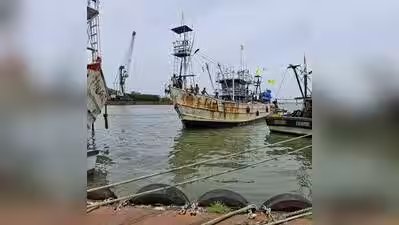
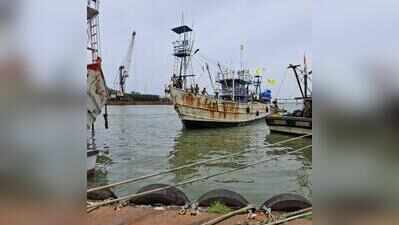
Panaji: Fishing boat owner Miguel Rodrigues, who operates from Cutbona, starts his day at 5am, going from house to house in remote villages of Odisha to persuade men to work on his vessel. Once salaries are negotiated, his team arranges their transport to Goa in rented four-wheelers. However, some workers are poached en route by operators in Karnataka and Kerala, leaving only a few to reach Goa.Goa’s fishing sector remains far from full strength as Aug draws to a close, with an acute shortage of migrant labour leaving a large number of mechanised fishing vessels idle. Boat owners are travelling to distant states to recruit crew, but the process can take weeks.“This is no longer about the boat owners and the fishing industry. It is about the food security of Goa,” Rodrigues told TOI. “Around 25% of vessels were non-operational last year, whereas the figure has risen to more than 75% this season.”Poaching of workers during their journey to Goa remains a challenge, with operators in other states offering different wage structures and incentives. Monthly earnings vary according to the vessel and the worker’s role. Crew members can earn around Rs 14,000-20,000, while experienced workers on successful vessels can reportedly make Rs 25,000 or more. Captains command higher remuneration.A mechanised fishing vessel typically requires around 20 workers, depending on its size and type, while larger operations may need 30-35. A fleet of 20 such vessels could therefore require up to 700 workers.The fishing sector employs an estimated 20,000 workers in Goa, but only a fraction are currently active as many vessels remain anchored.Migrant workers in the state also cited inadequate infrastructure, including a lack of resting places, halls and other facilities, as a factor making Goa less attractive to workers.“Efforts by our bosses to establish such facilities had faced opposition from locals. The infrastructure deficit makes Goa less attractive to work in,” a migrant worker said.President of the All Goa Purse Seine Boat Owners Association, Harshad Dhond, said only around half of the required workforce had returned at Malim jetty and that it could take another 15 days for operations to become fully functional.“A substantial part of Goa’s fishing workforce comes from states such as Jharkhand, who get employed as farm labour. The agricultural activities there had been delayed because of the late arrival of rains, which in turn delayed the workers’ return to Goa by at least 15-20 days,” he said.Rough sea conditions during the monsoon have further compounded the problem. Chairman of the Goa Boat Owners Association, Vasco, Jose Felipe D’Souza, said operators faced significant financial risks when venturing out amid uncertain conditions.“A boat requires around 2,000 to 4,000 litres of diesel, costing nearly Rs 4 lakh. Ice added another approximately Rs 15,000, while provisions cost for the crew is around Rs 1 lakh. Despite this investment, the boat returns empty on some days. Such is our dilemma,” he said.Mandovi Fisheries Cooperative Society chairman Francisco D’Souza said the sector was hoping for an improvement in the coming weeks.“We are looking towards the next few weeks for signs of recovery. A return of migrant workers, more favourable sea conditions and stronger fish availability could gradually bring the fleet back to full strength. Until then, all we can do is wait for the tides to turn.”