





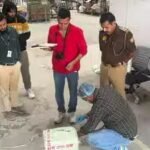



New Delhi: From checking the source of food ingredients and quality of water to inspecting kitchen hygiene, storage facilities and statutory licences, MCD has tightened its inspection framework on food safety in restaurants and other types of eateries.The move was made after complaints regarding sanitation and upkeep in some eateries. Officials said that the civic body has developed revised operational guidelines along with a standardised inspection proforma to bring uniformity to inspections.Establishments found violating the norms will be asked to rectify deficiencies, and serious violations could invite regulatory action, including a suspension or closure.The framework will cover a wide range of eating establishments such as restaurants, banquet halls, canteens, staff cafeterias, food courts, shared dining facilities, terrace and open-air eateries, takeaway outlets, cloud kitchens and dhabas.“Under the new mechanism, public health officials will conduct the structured inspections. Their frequency and intensity would be determined by the nature of the establishment,” an official said.The standardised proforma divides the inspection into three areas, covering public health and hygiene compliance, imminent public health hazards and statutory requirements. Officials will assess food handling and preparation practices, storage conditions, water quality, personal hygiene, sanitation and the overall upkeep of the premises.“A key component will be verification of the source of food items and ingredients. Eateries will have to ensure that all food products, raw materials and ready-to-use items are procured from authorised and identifiable sources. Purchase invoices, delivery challans, supplier details or other supporting records must be available on the premises for verification by inspectors,” the official said.The inspection will also focus on identifying conditions that could pose an immediate threat to public health. “These include the use of decomposed, rotten, fungus-infested or otherwise visibly unsafe food items, sewage overflow or leakage in kitchens and food preparation areas, and contaminated water supply. Visible contamination of food being prepared, served or stored will also be treated as a serious concern,” the civic body said.On the statutory compliance front, officials will check whether establishments possess the deemed health trade licence (HTL), Food Safety and Standards Authority of India (FSSAI) registration or licence, pest control certificate and water testing report.The civic body will also verify whether eateries meet the prescribed minimum requirements relating to area, kitchen space, ceiling height and infrastructure for their respective licence categories.According to the guidelines, the minimum area will be 100 sq ft (9 sq metres), while the prescribed height will be 9 ft for non-air-conditioned establishments and 8 ft for air-conditioned premises. Mezzanine floors will have to maintain a clear height of 2.2 metres (7.5 ft). Fast-food and snacks outlets will have a minimum area requirement of 64 sq ft.“In cases where deficiencies persist or food hygiene is seriously compromised, MCD may issue sealing notices,” the official said.